
The hip joint is one of the largest and most important parts of the human body, essential for our mobility and stability. It is formed by the head of the femur, the thigh bone, and the acetabulum of the pelvis, the socket in which the femur articulates.
Hip dysplasia is a developmental disorder of the hip joint in which the head of the femur is not perfectly aligned within the acetabulum. This imbalance can lead to joint wear and pain, and particularly affects children and young adults. Early identification and appropriate management of this condition are vital to prevent long-term complications and improve patients' quality of life. Below, we explore the causes, symptoms and treatment options for hip dysplasia, giving you the information you need to make informed choices about managing it.
What is hip dysplasia?
Hip dysplasia is a condition of the hip joint in which the head of the femur (thigh bone) and the acetabulum (the part of the pelvis that forms the hip socket) are not correctly aligned. This mismatch can vary in severity and may affect one or both hips. In a healthy joint, the head of the femur normally fits snugly into the acetabulum, allowing smooth, pain-free movement.
This disorder can be congenital, appearing at birth or in the first months of life, while the joint is still developing. However, it can also appear later in life, due to causes such as degenerative changes in the joint or trauma.
Left untreated, hip dysplasia can lead to pain, restricted movement and the early development of osteoarthritis. That is why establishing an accurate diagnosis as quickly as possible and starting appropriate treatment, which may include physiotherapy, orthopaedic braces or surgery, are essential to prevent long-term complications and ensure a better quality of life.
Causes and risk factors for hip dysplasia
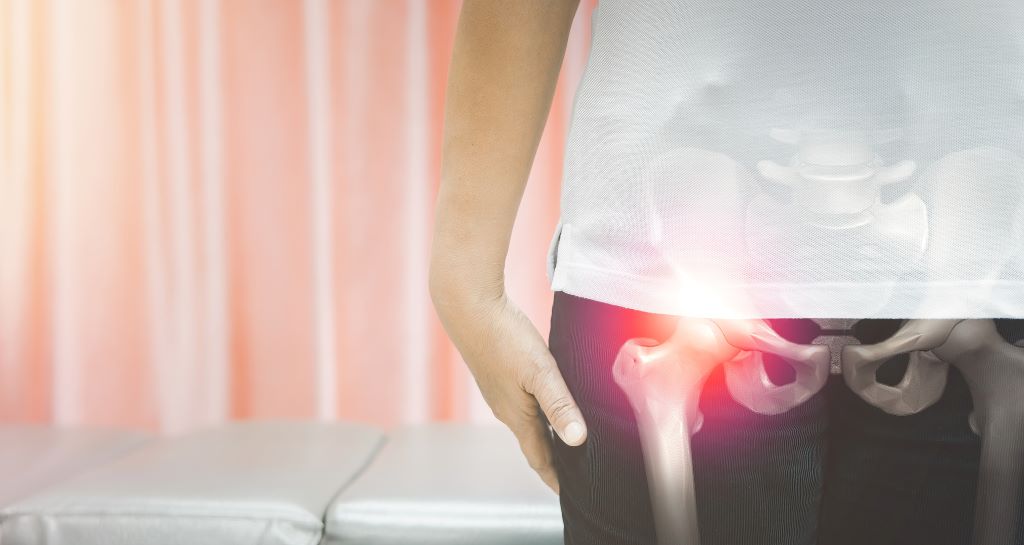
Its causes are complex and can be influenced by several factors. Most often, it is considered a congenital condition, caused by inadequate development of the hip joint before or after birth. Genetic factors and a family history of hip dysplasia can significantly increase a person's risk of developing this medical problem.
Other risk factors include an abnormal position in the womb, such as the breech position (feet first) during pregnancy, as well as poor development of the hip joint in the first years of life. The presence of other conditions, such as congenital hip dislocation or congenital torticollis, may also be associated with hip dysplasia. Careful monitoring and prompt intervention can reduce the impact of this condition.
Symptoms of hip dysplasia
Symptoms can vary depending on the severity of the disorder and the age of the patient. In milder cases, hip dysplasia may not cause any obvious symptoms. However, in more severe cases, or in the absence of early diagnosis and treatment, problems can arise such as pain in the hip or groin area, difficulty moving the legs, changes in gait or an unusual sound when the hip joint moves.
In babies or young children, a characteristic sign may be asymmetry of the buttock creases or restricted movement of the leg. In general, symptoms may become more apparent as the child grows and uses the affected joint more. It is essential that parents and doctors are alert to any sign of hip dysplasia so that they can intervene as early as possible and prevent later complications.
How is it diagnosed?
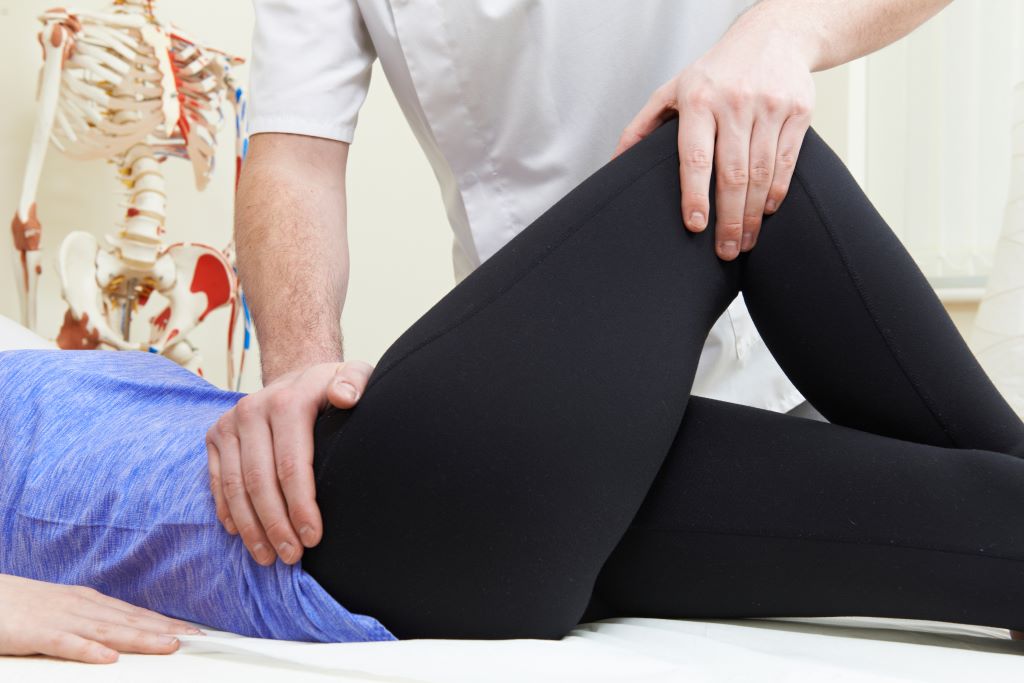
Diagnosing hip dysplasia involves a series of methods and examinations to assess the state of the hip joint and identify any abnormalities or deformities. The process may vary depending on the age of the patient and the severity of the suspected condition.
Here is how the diagnosis is usually made:
- Clinical examination: The doctor may carry out a thorough physical examination to assess movement of the hip joint, look for signs of pain or restricted movement and check for specific symptoms;
- Ultrasound: In babies and young children, ultrasound is often used to assess the development of the hip joint. It provides clear, detailed images of the joint structures and can detect any abnormalities;
- X-rays: For older children and adults, X-rays can be used to reveal deformities of the hip joint, such as a femoral head that is not properly aligned in the acetabulum. These images can offer a more detailed view of the condition;
- Magnetic resonance imaging (MRI): In more complex cases, or to assess the soft tissues, MRI can be used to obtain more detailed images of the affected area;
- Additional examinations: In some cases, a range of additional tests may be needed, including blood tests, to rule out other disorders that may present with similar symptoms.
Early diagnosis is essential for the effective management of hip dysplasia, as early intervention can minimise complications and improve the prognosis. Patients and parents should work closely with doctors to ensure an accurate diagnosis and an appropriate treatment plan.
What treatment options are there for hip dysplasia?
Treatment of the condition depends on age, its severity and the stage at which it is diagnosed. Options may include careful monitoring for babies, physiotherapy for children with mild symptoms and specialised orthopaedic braces to correct the position of the joint. In more severe cases, or those that do not respond to treatment, surgery, such as osteotomy or joint reconstruction, may be needed to restore function and prevent long-term complications. It is crucial that the treatment plan is tailored to each patient, taking into account their individual characteristics and clinical needs.
Non-surgical treatment
Non-surgical treatment of hip dysplasia focuses on managing symptoms, correcting the position of the joint and promoting its normal development. This type of treatment is often chosen for babies and young children, but it may also be an option for adults with mild or moderate forms of dysplasia.
Here are some non-surgical treatment options:
- Monitoring and observation: In affected babies and young children, the doctor may opt for careful monitoring and observation of how the problem develops. Regular imaging and clinical assessments help to determine whether the disorder is correcting itself as the child grows or whether another type of intervention is needed;
- Physiotherapy: This is an essential component of non-surgical treatment. It includes specialised exercises and techniques aimed at strengthening the muscles around the hip joint, improving movement and correctly aligning the femur in the acetabulum;
- Orthopaedic braces: These devices can help to hold the femur in a more suitable position within the acetabulum, contributing to the proper development of the joint;
- Therapeutic swimming: Swimming can be beneficial for the development of the hip joint, as the water provides gentle resistance and allows freer, more controlled movements. This can help to strengthen the muscles and improve the flexibility of the joint;
- Medication: In some cases, non-steroidal anti-inflammatory drugs (NSAIDs) may be prescribed to reduce the pain and inflammation associated with this condition.
The aim of non-surgical treatment is to relieve symptoms, encourage normal development of the joint and prevent complications. It is important to start treatment as early as possible and to monitor the patient's progress regularly so that the treatment plan can be adjusted accordingly.
Surgical treatment
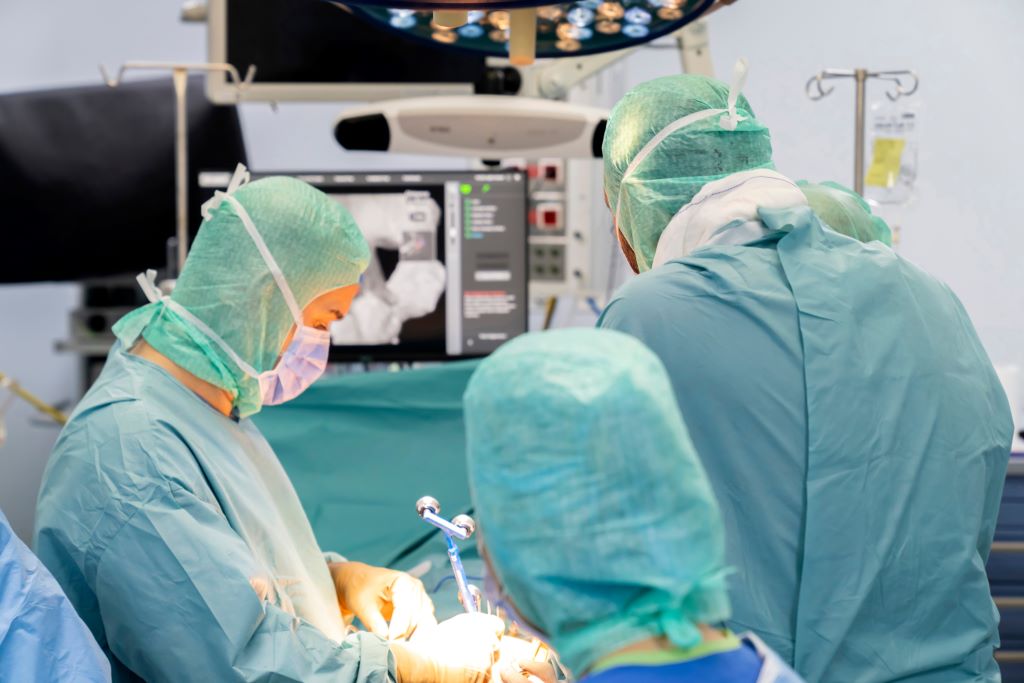
Surgical treatment for hip dysplasia is an option for more severe cases or those that have not responded to non-surgical treatment.
There are several possible surgical procedures, including:
- Osteotomy: This involves cutting and repositioning the bones to correct the defect in the hip joint. Osteotomy can be performed in different areas of the hip to improve alignment and function;
- Capsular reorientation: This procedure involves tightening and modifying the joint capsule to ensure better coverage of the femoral head and the acetabulum, thereby improving the stability and function of the joint;
- Surgical reconstruction: In severe cases, more extensive surgery may be needed to reconstruct the hip joint, which may include replacing the femoral head or the acetabulum with prostheses.
Surgery can be essential to prevent or relieve persistent pain, instability and restricted movement, thereby helping to improve the quality of life of patients with hip dysplasia. It is important that the decision on surgical treatment is made after a careful assessment of the patient's individual condition and in consultation with an experienced orthopaedic surgeon.
Complications
Complications associated with hip dysplasia can include chronic pain, joint instability, the early development of osteoarthritis and significant restriction of movement. Neglecting treatment can worsen these symptoms, significantly affecting patients' quality of life and daily function. Proper diagnosis and management of this condition are essential to minimise risks and prevent long-term complications.
Conclusion
In summary, hip dysplasia is a condition that can profoundly affect patients' mobility and quality of life, especially in the young. However, with early diagnosis and the choice of an appropriate treatment option, the chances of a good recovery increase significantly. Whether it involves physiotherapy, orthopaedic braces or surgery, the approach must be personalised and carefully coordinated between the patient and the medical team. Effective management of the condition not only relieves symptoms but also prevents complications, restoring patients' confidence and their ability to lead an active, healthy life.
Frequently asked questions:
Q: Can hip dysplasia be prevented?
Yes, hip dysplasia can be prevented to a large extent. Early identification and correction of risk factors, careful monitoring of the development of the hip joint and educating parents about the correct positioning of babies can contribute significantly to preventing and managing this condition. It is essential to follow the doctor's advice and attend regular check-ups in order to detect any problems and take appropriate preventive measures.
Q: What does recovery after hip dysplasia surgery involve?
Recovery after hip dysplasia surgery involves stages such as immediate monitoring, physiotherapy for mobility, regular exercises and periodic adjustments with the specialist. The aim is to restore joint function, resume daily activities and, gradually, more intense activities and sport, under medical supervision. Strict adherence to the rehabilitation plan is essential for the best possible outcome.
Article sources:
Mayo Clinic Health System, M.C.H.S. Hip Dysplasia. Available at https://www.mayoclinic.org/diseases-conditions/hip-dysplasia/symptoms-causes/syc-20350209
Cleveland Clinic, C.C. Hip Dysplasia. Available at https://my.clevelandclinic.org/health/diseases/17903-hip-dysplasia
WebMD. Hip Dysplasia. Available at https://www.webmd.com/children/what-is-hip-dysplasia
NHS. Developmental dysplasia of the hip. Available at https://www.nhs.uk/conditions/developmental-dysplasia-of-the-hip/
International Hip Dysplasia Institute, I.H.D.T.I. Understanding Hip Dysplasia. Available at https://hipdysplasia.org/developmental-dysplasia-of-the-hip/
Newsletter subscription
Sign up for the Artro Sport newsletter free of charge!