Back pain, also known as dorsalgia, is a common condition that affects millions of people around the world. It can have a negative impact on quality of life and can limit the daily activities of those affected.
Treatment options for back pain can vary depending on the severity and cause of the symptoms. They may include painkillers or anti-inflammatory medication, muscle relaxants, physiotherapy, stretching and strengthening exercises (kinesiotherapy), lifestyle changes, alternative therapies, injections and, in some cases, surgery.
Discover detailed information about the causes of back pain and the treatment options in this comprehensive article!
Understanding the anatomy of the back
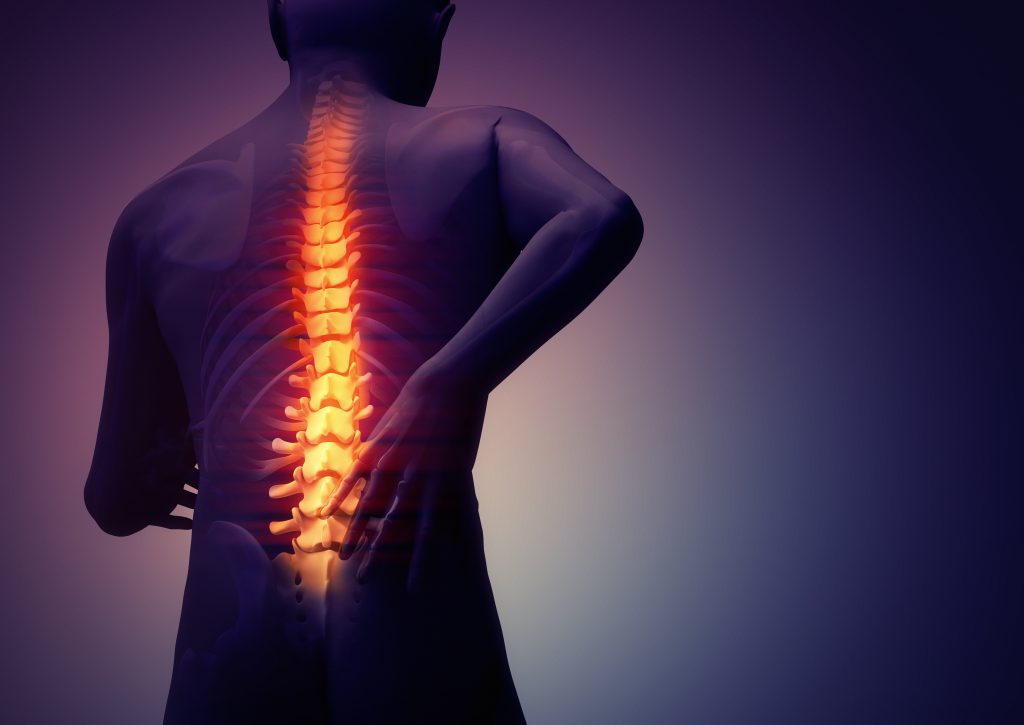
The anatomy of the back involves the study of the anatomical structures in the dorsal region of the human body. The back is made up of several structures: the spine, the bones, the adjacent joints, the muscles, the ligaments, the nerves and the blood vessels.
Here is a brief overview of these components:
- The spine: This is the main axis of the back and its role is to provide structural support, protection and flexibility. It is made up of a series of bones called vertebrae, which are interconnected by intervertebral discs. The spine is divided into five regions: the cervical region (the neck), the thoracic region (the upper back), the lumbar region (the lower back), the sacral region (the sacral bones fused into the pelvis) and the coccygeal region (the bone at the base of the spine);
- The joints of the back: These are important for movement and flexibility. There are joints between the vertebrae of the spine called intervertebral joints, and between the ribs and the spine there are joints called costovertebral joints. The lumbar region of the back also includes the sacroiliac joints, which connect the sacrum to the bones of the pelvis;
- The muscles of the back: The back has a multitude of muscles that contribute to movement, stability and posture. They can be divided into three main groups: superficial, intermediate and deep. Among the important ones are the trapezius muscles, the rhomboid muscles, the latissimus dorsi muscles and the erector spinae muscles;
- The nerves of the back: The spine serves as protection for the spinal cord, which is a bundle of nerves that transmits signals between the brain and the rest of the body. The spinal nerves branch off from the spinal cord through the openings between the vertebrae and travel to different parts of the body, including the muscles and the skin;
- The blood vessels: The back region is well vascularised, with arteries and veins that supply blood and nutrients to the structures of the back. Important blood vessels in this region include the vertebral artery and the intercostal arteries.
Risk factors for back pain
- There are a number of causes that can contribute to the onset of back pain. These can be divided into two main categories: modifiable risk factors and non-modifiable risk factors.
Non-modifiable risk factors
- Ageing: As we grow older, the tissues of the back can deteriorate and conditions such as osteoporosis and disc herniation can develop, which may cause back pain;
- Family history: Some health problems, such as certain types of spinal malformation or genetic disorders, can be inherited and can increase the risk of back pain;
- Sex: Studies have shown that women have a higher risk of developing this kind of pain compared with men. This may be linked to anatomical and hormonal differences;
- Anatomical structure: Certain features of the anatomical structure, such as excessive curvature of the spine or a difference in leg length, can increase the risk of developing this kind of pain.
Modifiable risk factors
- A sedentary lifestyle: Lack of physical activity and a sedentary lifestyle can weaken the muscles of the back and lead to musculoskeletal dysfunction and pain;
- Poor body posture: Incorrect posture, both during daily activities and at work, can put excessive pressure on the structures of the back and contribute to the onset of back pain;
- Being overweight or obese: Excess weight can place additional pressure on the spine and can cause back pain;
- Smoking: Smoking can affect the blood supply to the structures of the back and slow down the healing process, thereby increasing the risk of pain;
- Stress and depression: Stress and mental health problems can contribute to muscle tension and can aggravate back pain;
- Physically demanding activities: Repetitive physical activities, heavy lifting and exertion in awkward positions can overload the structures of the back and cause pain.
What are the most common causes of back pain?
Back pain can affect people of all ages. There are many reasons why it can occur, but the most common causes can be divided into the following three main categories: structural problems, movement and posture, and medical conditions.
Structural problems
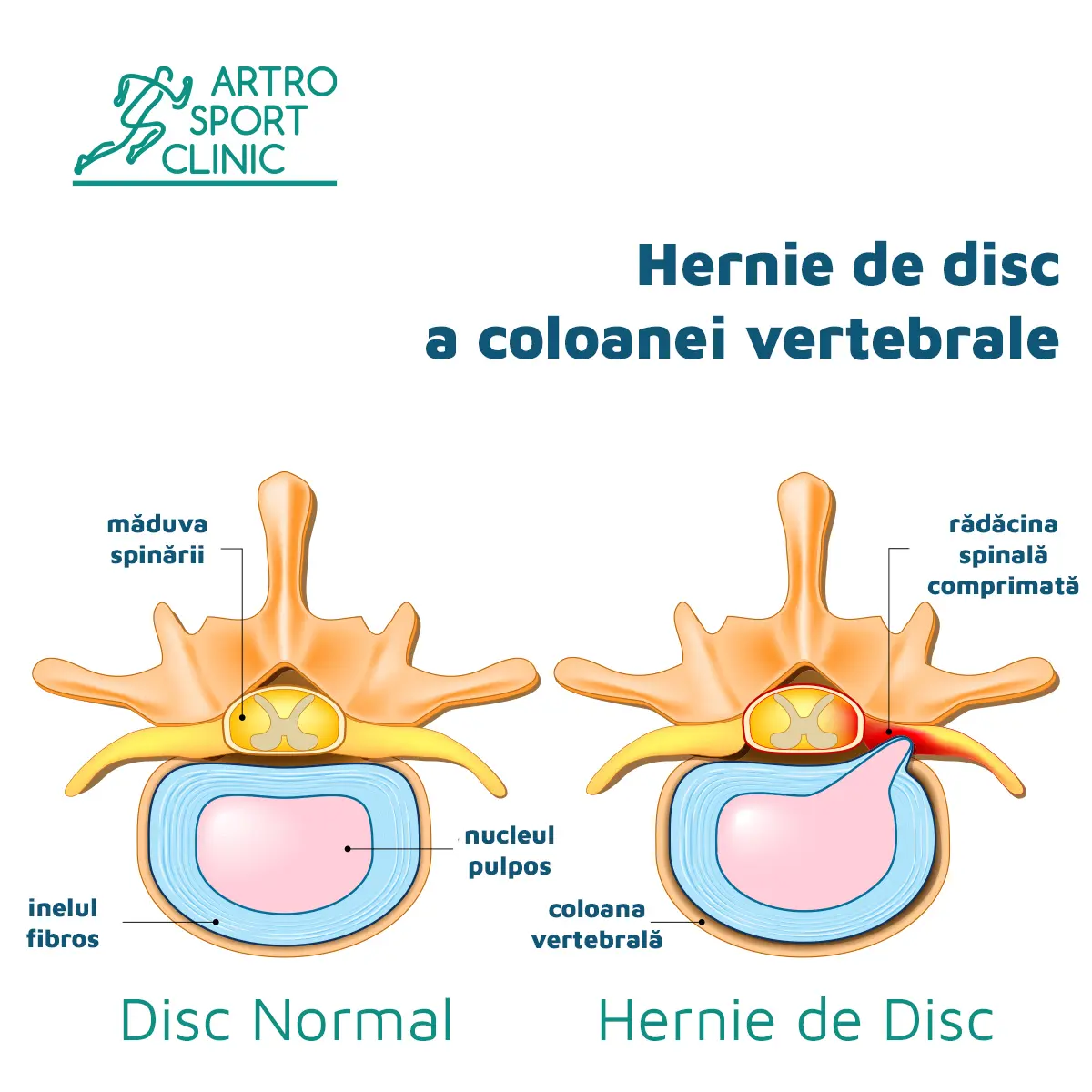
- Disc herniation (slipped disc)
This occurs when the soft inner part of an intervertebral disc pushes outwards, putting pressure on nearby nerves and causing pain.
- Osteoarthritis / stress fractures
Degeneration of the vertebral joints caused by wear and progressive deterioration can cause back pain.
- Spinal stenosis
Narrowing of the spinal canal, which may be the result of ageing or degenerative changes, can compress the spinal nerves and cause back pain.
Movement and posture
- Poor posture at work or during daily activities
- Maintaining an incorrect position for long periods, such as sitting or hunching over a desk, or carrying out repetitive physical activities, can put excessive pressure on the spine and lead to back pain.
- Lifting weights incorrectly
- Lifting heavy objects in the wrong way can put additional pressure on the back and cause pain.
Medical conditions
- Sciatica
This occurs when the sciatic nerve, which runs from the back down to the leg, is irritated or compressed, causing back pain and pain that spreads down the leg.
- Spondylolisthesis
Spondylolisthesis is a condition in which a vertebra slips forwards or backwards relative to the adjacent vertebra, which can cause nerve compression and back pain.
- Fibromyalgia
This chronic condition causes widespread muscle pain, including in the back.
Infections and inflammation
- Infections of the spine, such as osteomyelitis, or inflammatory joint conditions, such as ankylosing spondylitis, can cause severe back pain.
Types of back pain
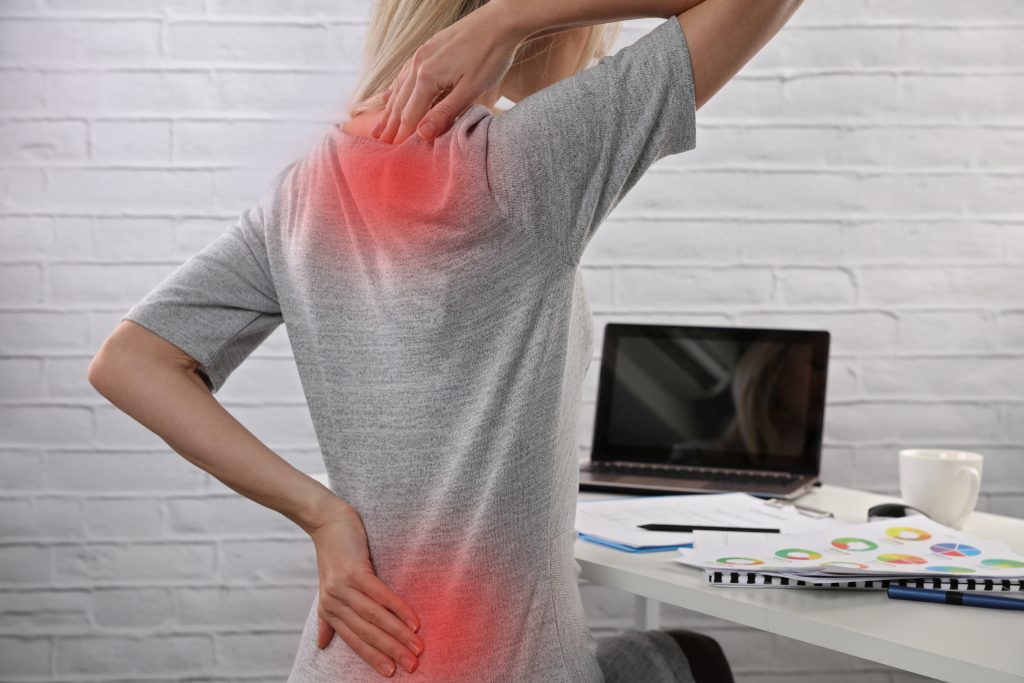
Back pain can be classified into several types according to different characteristics, such as its duration, location, origin and the way the pain spreads.
It is important to pay attention to these specific characteristics, because they can provide important clues about the cause and nature of the problem.
By duration
Back pain can be classified by duration as follows:
- Acute pain is characterised by the sudden onset of back pain and generally lasts less than 6 weeks. It can be caused by an accident or trauma, such as a fall or an injury to the back. Poor posture, excessive physical exertion or heavy lifting can also cause acute pain. It can be intense and limit daily activities, and appropriate treatment can help relieve symptoms and speed up recovery;
- Subacute pain generally persists for between 6 and 12 weeks. It may be the result of an initial injury or may indicate an underlying problem that requires treatment. For example, a herniated disc or damage to the vertebral joints can cause subacute pain. It can affect the ability to perform certain activities and may require therapeutic interventions, such as physiotherapy and lifestyle changes, to speed up the healing process and prevent recurrence;
- Chronic pain generally persists for more than 12 weeks. It can be caused by chronic conditions. Chronic pain can be debilitating and can significantly affect quality of life. Because of its duration, treatment for this type of pain focuses on managing the symptoms and improving the patient's quality of life. Care may involve the use of medication to reduce pain and inflammation, physical and alternative therapies, such as acupuncture or relaxation techniques, as well as counselling and psychological support to cope with the emotional impact of chronic pain.
By location
The most common forms of this kind of pain are:
- Lumbar pain is the most common form of back pain and affects the lower part of the spine, also known as the lumbar region. It can be caused by several factors, including overloading of the muscles and ligaments of the back, poor posture, heavy lifting or repetitive activities. Lumbar pain can also be associated with conditions such as disc herniation or spinal stenosis;
- Cervical pain occurs in the neck area and can be the result of muscle tension, poor posture, injuries or certain health problems, such as cervical spondylosis;
- Thoracic pain is rarer than lumbar or cervical pain and affects the middle part of the back, also known as the thoracic region. It can be associated with conditions such as osteoarthritis or traumatic injuries, such as bone fractures. Thoracic pain can also be the result of internal problems, such as lung or heart conditions, which can radiate to the thoracic area of the back.
By origin
Back pain can be classified by origin as follows:
- Muscular pain is the result of muscle tension or overuse of the back muscles. It can be caused by intense physical activity, heavy lifting or poor posture during repetitive movements or daily activities. For example, remaining in an uncomfortable position for a long time or making sudden, uncontrolled movements can cause muscle tension and spasms, generating pain in the back. Treatment for muscular pain usually involves rest, the application of heat, stretching and strengthening exercises and painkillers;
- Pain of nerve origin occurs when the spinal nerves are irritated or compressed. A common example is sciatica, which is caused by irritation of the sciatic nerve. This pain can radiate from the lower back into the buttocks, thighs and leg. Treatment for this type of condition may include medication to reduce inflammation and pain, physiotherapy, local injections and, in some cases, surgery;
- Pain of joint origin is caused by damage to the joints in the back region. Treatment usually involves anti-inflammatory medication, physiotherapy, muscle-strengthening exercises and, in some cases, biological therapies or surgery.
By the way the pain spreads
Back pain can also be characterised by the way it manifests itself in the body, as follows:
- Localised pain is pain that remains concentrated in a specific area of the back and does not spread to other parts of the body. It can be caused by muscle tension or soft-tissue injuries. For example, pain in the lower back may be the result of overloading of the lumbar muscles or of poor posture over long periods of time. Treatment for localised pain often involves conservative therapies, such as rest, the application of heat, physiotherapy, kinesiotherapy and medication to reduce pain and inflammation;
- Radicular pain is pain that spreads along the path of a nerve, and a common example of this kind is sciatica. It may be accompanied by tingling, numbness or weakness in the affected area. Treatment may include medication to reduce inflammation and pain, physiotherapy plus kinesiotherapy, injections and, in some cases, surgery to correct the underlying cause;
- Referred pain is pain that appears in an area different from the actual site of the problem. This is because certain nerve structures that transmit pain signals from a particular area of the back intersect with other nerve pathways that transmit pain signals from other parts of the body. For example, a kidney problem, such as an infection or a kidney stone, can cause pain in the lumbar area. Referred pain can cause confusion, because the real source of the problem is not in the area where the pain appears. Treatment involves addressing the underlying cause of the problem and treating it appropriately.
Symptoms associated with back pain

Back pain can be accompanied by a variety of symptoms, which can vary depending on the cause and severity of the problem. Some of the common symptoms associated with back pain include:
- Stiffness and discomfort: People with back pain may experience a feeling of stiffness in the affected area. They may feel tense and may have difficulty moving normally;
Muscle weakness: In some cases, back pain may be accompanied by muscle weakness in the affected area. This can lead to difficulty carrying out daily activities or maintaining correct posture; - Numbness and tingling: Some people may experience numbness or tingling in the affected area or in the areas supplied by the compressed spinal nerves. These symptoms may indicate nerve compression.
- Restricted movement: Back pain can lead to reduced flexibility and range of motion of the spine. This can affect the ability to perform certain activities and can cause discomfort during movement.
- Discomfort in the lower limbs: Back pain can radiate from the buttocks down to the tips of the toes. It may be accompanied by numbness, tingling or weakness in these areas;
- Posture and balance problems: Back pain can affect posture and balance, causing a change in the alignment of the spine. This can lead to the adoption of poor posture and can increase the risk of falls and injury.
It is important to have a medical assessment to determine the exact cause of the back pain and to receive an appropriate treatment plan. Each person may have different symptoms depending on their individual circumstances, and diagnosis and treatment may vary according to the situation.
How back pain is diagnosed
Diagnosing back pain involves: the patient's medical history, clinical examination and investigations (e.g. MRI, X-rays). The main aim is to determine the cause of the pain and to guide appropriate treatment.
The medical history and physical examination are the first important steps in diagnosing back pain. The doctor will talk to the patient to obtain detailed information about the symptoms, their duration, the intensity of the pain, triggering and relieving factors, medical history and daily activities. The doctor will then carry out a physical examination to assess the mobility and flexibility of the spine, and to look for signs of tenderness, muscle spasm or other abnormalities.
Medical imaging also plays an essential role in diagnosing back pain, providing detailed information about the structure and condition of the spine. There are several imaging methods used in the assessment of back pain, each with its own advantages and the information it provides. These include:
- X-ray: This classic imaging method uses X-rays to obtain a two-dimensional image of the spine. X-rays are often used as the first method of assessment, because they are quick, accessible and can detect fractures, bone lesions or other obvious structural problems;
- Computed tomography (CT): This type of advanced technique uses X-rays and computer technology to obtain detailed cross-sectional images of the spine. CT provides more precise information than X-rays and can be useful in identifying bone lesions, disc herniations, tumours or other conditions;
- Magnetic resonance imaging (MRI): MRI is considered the most advanced imaging method for assessing back pain. Using a powerful magnetic field and radio waves, it produces detailed images of soft-tissue structures, such as the intervertebral discs, spinal nerves, ligaments and muscles. MRI is extremely useful in detecting disc herniations, nerve damage, tumours, inflammation or other disorders that may be associated with back pain.
These methods allow the doctor to gain a clearer picture of the structure of the spine and the possible causes of the pain. The imaging results help to confirm or rule out specific conditions and can guide appropriate treatment.
In addition to imaging, functional and electrical tests can be used to assess the functioning of the nervous system and the muscles. Electromyography (EMG) measures the electrical activity of the nerves and can help identify peripheral nerve conditions such as nerve damage or nerve compression.
Other additional investigations may be needed in some cases to assess specific aspects of back pain. Here are two of them:
- Bone scintigraphy (bone scan): This medical technique involves injecting a radioactive compound into the blood, which accumulates in the bones. The procedure can assess blood flow and is useful in detecting infections, tumours or other bone problems that may contribute to back pain. The results of a bone scan can provide important information when drawing up an appropriate treatment plan;
Laboratory tests: These can be carried out to check for systemic conditions that may contribute to back pain, such as infections or ankylosing spondylitis.
Based on the results obtained from these additional investigations, the specialist will be able to establish a precise diagnosis and draw up an appropriate treatment plan for the back pain.
Treatment of back pain

Treatment options for back pain can vary depending on the cause and severity of the symptoms. In general, conservative therapies are used first, before more invasive options, such as surgery, are considered.
Conservative treatment may include:
- Medication: This may be prescribed to reduce pain and inflammation, such as painkillers, non-steroidal anti-inflammatory drugs or muscle relaxants;
- Physiotherapy and kinesiotherapy: These therapies involve specific exercises and techniques to strengthen the back muscles, correct posture and improve flexibility. They can be effective in reducing pain and preventing recurrence;
- Manual therapy and massage: The procedure involves manipulating and aligning the spine and can be carried out by a chiropractor or a specialised physical therapist. Manual therapy can help relieve pain and restore normal function of the back;
- Lifestyle changes: Regular exercise, maintaining a healthy weight, managing stress and avoiding positions or activities that make the pain worse can help relieve symptoms and prevent recurrence.
- Local injections (with stem cells or corticosteroids);
- Surgical treatment.
In severe cases, or where conservative treatment has not been successful, the doctor may recommend surgery to treat the back pain. This may be considered when there are obvious structural problems, such as displaced disc herniations, spinal stenosis or vertebral instability, which do not respond to other treatment methods.
Surgery for back pain can range from simple discectomy or laminectomy to complex spinal stabilisation.
It is important to remember that each case of back pain is unique, and treatment options may vary depending on the cause, the severity of the symptoms and the patient's individual response. It is advisable to discuss with your specialist to determine the most suitable treatment option for your back pain.
Preventing back pain

Preventing back pain is crucial for maintaining a healthy spine and a good quality of life. As mentioned above, there are many factors that can contribute to the onset of back pain, including poor posture, muscle weakness, overuse and a sedentary lifestyle, and by adopting appropriate preventive measures the risk of developing such problems can be reduced.
Here are some key recommendations for preventing back pain:
- Maintain correct posture
When sitting: Make sure your back is supported, using a lumbar cushion or suitable back support. Try to keep your feet flat on the floor and avoid crossing your legs;
When walking: Stand upright with your shoulders back and your head straight. Keep your spine correctly aligned, avoiding slouching or leaning excessively forwards or backwards.
- Exercise regularly
Back-strengthening exercises: Developing the muscles of the back and abdomen can help support the spine and maintain stability.
Stretching exercises: Stretching the muscles can help maintain flexibility and release tension in the back. Try stretches for the calf muscles, the back, and the muscles of the shoulders and neck.
- Avoid overuse and overloading
Lift correctly: When lifting heavy objects, bend your knees and use the strength of your legs to lift the weight. Keep the object close to your body and avoid sudden or twisting movements;
Distribute the weight evenly: When carrying a rucksack or bag, make sure the weight is distributed evenly across both shoulders to avoid overloading one side of the back.
- Maintain a healthy weight
Excess weight can put additional pressure on the spine and increase the risk of back pain. Adopt a balanced diet and maintain an appropriate level of physical activity to control your weight and reduce the stress on your
spine.
- Avoid prolonged static positions
If you work at a desk or spend a long time in a static position, make sure you take regular breaks to stretch and move around. Change your body position and try to get up and walk around for a few minutes every hour.
Use ergonomic furniture. Choose a chair and desk that provide adequate support for your back and promote correct posture. Adjust the height and position of the chair so that your feet rest on the floor and your back is properly supported.
- Avoid smoking
Smoking can affect blood circulation and can make tissue healing more difficult. Smokers may be at a higher risk of developing back pain and spinal problems. Give up smoking to support the overall health of your spine.
- Managing stress
Excessive stress can contribute to muscle tension and the development of back pain. Adopt stress-management techniques, such as meditation, deep breathing and relaxation exercises, to reduce the negative impact on your spine.
It is important to maintain an active lifestyle and to pay attention to preventing back pain, even in the absence of current symptoms. Following these recommendations and adopting a correct approach to movement and posture can significantly reduce the risk of developing back pain and help maintain a healthy spine in the long term. If persistent or severe back pain occurs, it is advisable to consult a doctor for assessment and appropriate treatment.
When should you see a doctor?
There are several situations in which it is advisable to see a doctor about back pain. These include:
- Severe and persistent pain: If your back pain is intense and does not improve within a few days or weeks, you should consult a doctor. This may be a sign of an underlying condition that requires assessment and appropriate treatment;
- Injuries or trauma: If your back pain is the result of a fall, an accident or a serious injury, it is important to see a doctor immediately. Such injuries may involve bone fractures or other structural problems that require specialist investigation and treatment;
- Weakness or numbness: If your back pain is accompanied by tingling, muscle weakness or numbness in the lower or upper limbs, you should seek medical attention. These symptoms may indicate compression of the spinal nerves and require assessment and appropriate treatment;
- Problems with bladder or bowel control: If you have difficulty controlling your bladder or bowel, or notice significant changes in the functioning of these organs accompanied by back pain, it is important to see a doctor as soon as possible. These symptoms may indicate compression or injury of the spinal cord and require immediate assessment and intervention;
- History of serious conditions or complications: If you have a history of spinal problems or suffer from medical conditions such as osteoporosis, osteoarthritis or cancer, it is important to see a doctor if back pain occurs. These conditions may require a specialist approach and appropriate treatment;
- Worrying associated symptoms: If your back pain is accompanied by persistent fever, unexplained weight loss, unusual sensations or general weakness, you should seek urgent medical attention. These symptoms may indicate a more serious condition that requires assessment and appropriate management.
- If your back pain persists, gets worse or is accompanied by other worrying symptoms, you should consult a doctor as soon as possible. A specialist in orthopaedics, neurosurgery, neurology or physical and rehabilitation medicine can properly assess the problem and recommend appropriate treatment to improve your condition and prevent possible complications.
Frequently asked questions:
Q: Can back pain come back after it has been treated?
Back pain can come back after treatment for several reasons, such as: the underlying cause has not been fully resolved, the risk factors persist, the doctor's recommendations have not been followed, or new injuries or trauma occur. To reduce the risk of recurrence, it is important to follow your doctor's recommendations and adopt a healthy lifestyle. If your back pain recurs frequently or persists, consult your doctor for further assessment.
Q: Can back pain be a symptom of a serious condition?
Yes, back pain can be a symptom of a serious condition, such as disc herniation, spinal stenosis, spinal tumours, spinal infections, kidney disease or an aortic aneurysm. If you have concerns or persistent back pain, it is important to consult a doctor for assessment and an appropriate diagnosis.
Article sources:
National Institute of Health, N.I.H. Back Pain. Available at https://www.niams.nih.gov/health-topics/back-pain
Mayo Clinic, M.C. Back Pain. Available at https://www.mayoclinic.org/diseases-conditions/back-pain/symptoms-causes/syc-20369906
NHS. Overview Back Pain. Available at https://www.nhs.uk/conditions/back-pain/
Medical News Today, M.N.T.What is causing my back pain, and how can I remedy it?. Available at https://www.medicalnewstoday.com/articles/172943
Cleveland Clinic, C.C. Low Back Pain. Available at https://my.clevelandclinic.org/health/diseases/7936-lower-back-pain
WebMD. Ways to Relieve Back Pain. Available at https://www.webmd.com/pain-management/ss/slideshow-relieving-back-pain
Newsletter subscription
Sign up for the Artro Sport newsletter free of charge!