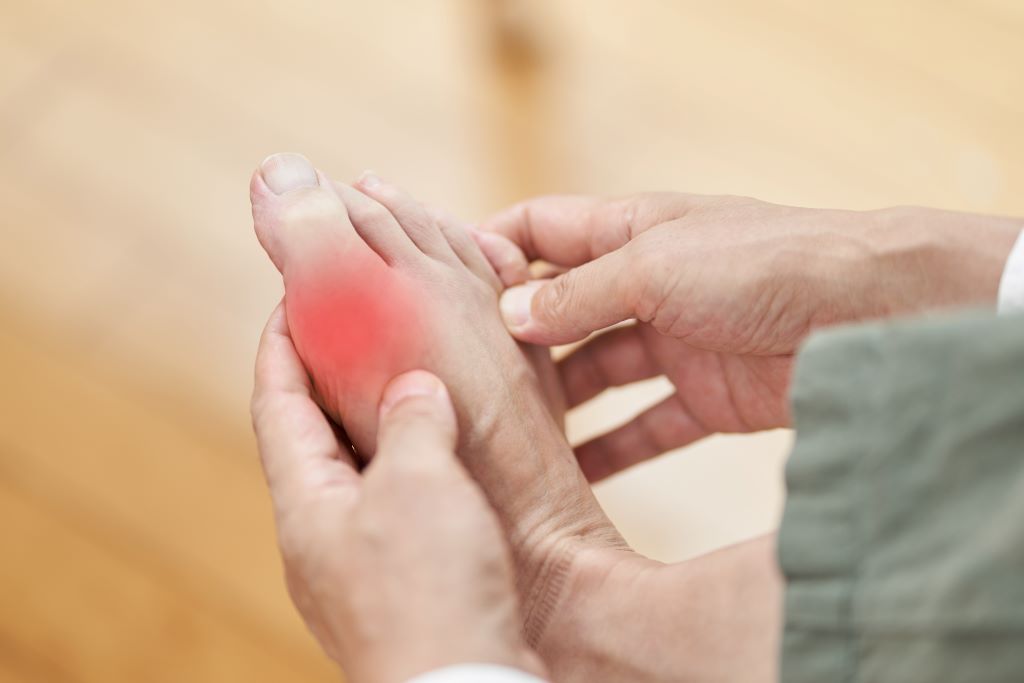
Gout is a form of inflammatory arthritis that causes recurrent episodes of intense pain and inflammation in the joints. These debilitating symptoms are the result of an excessive build-up of uric acid crystals in the joints. Uric acid is a breakdown product of purines and is normally found in the body and in certain foods.
In this article, we take a detailed look at the causes of gout, its characteristic symptoms and the treatment options available to manage this condition. Find out how you can improve your quality of life and keep the symptoms of gout under control!
What are purines?
Purines are chemical substances that occur naturally in the human body and in food. They are metabolised into uric acid, which is removed from the body through the urine. A diet rich in purines can raise the level of uric acid in the blood, encouraging the formation of urate crystals and the onset of gout.
Urate crystals are solid formations made up of uric acid salts. They form when the level of uric acid in the blood becomes too high and exceeds the body's capacity to remove it efficiently. These crystals can be deposited in the joints and tissues, causing inflammation and the painful symptoms typical of gout.
Causes and risk factors
Gout is a complex condition, and the causes and risk factors involved in its development are very varied. They can include age and sex, hyperuricaemia, obesity, a diet rich in meat and foods with a high purine content, excessive alcohol consumption, certain medicines and treatments, serious chronic diseases, exposure to lead and a genetic predisposition.
Age and sex
Men are at greater risk of developing gout after the age of 30, whereas women generally face this risk only after reaching the menopause. This difference is due to the hormonal and metabolic differences between the sexes.
Before the menopause, women usually have lower levels of uric acid in the blood thanks to oestrogen, the female hormone, which helps to remove this acid. After the menopause, however, when oestrogen levels fall, the ability to remove uric acid may be impaired, which increases the risk of hyperuricaemia and gout.
Men, on the other hand, generally produce more uric acid, which contributes to their predisposition to gout.
Hyperuricaemia
Hyperuricaemia is a condition characterised by a raised level of uric acid in the blood, and it is one of the major risk factors in the development of gout. It may be the result of excessive production of uric acid in the body or of a reduced capacity of the kidneys to remove it efficiently from the blood. The excessive build-up of this acid encourages the formation of urate crystals in the joints, thereby causing the symptoms and inflammation typical of gout.
Obesity and a meat-rich diet
Obesity and a meat-rich diet are two other major risk factors associated with the development of gout. Obesity contributes to higher levels of uric acid in the blood by increasing the production of this acid by adipocytes (fat cells) and by reducing the kidneys' ability to remove uric acid from the body efficiently. As a result, people who are overweight or obese are at greater risk of developing hyperuricaemia and gout.
Likewise, a diet rich in meat, particularly red meat and offal, can contribute to higher levels of uric acid in the blood. These foods are rich in purines, which are metabolised in the body via this acid. Excessive meat consumption can therefore lead to a very large build-up of uric acid, which encourages the formation of urate crystals in the joints and triggers gout.
Certain medicines and treatments
Some medicines can affect the level of uric acid in the blood and contribute to the onset of gout. Diuretics, for example, which are used to stimulate the passing of urine, can reduce the kidneys' ability to remove uric acid, leading to its build-up in the blood.
It is important for people who take these medicines (or others that may have this effect) to be aware of this and to speak to their doctor so that their uric acid level can be monitored and controlled, thereby preventing the onset of gout.
Alcohol
Excessive alcohol consumption, especially of strong alcohol (spirits), significantly increases the risk of gout. Alcohol disrupts the process of removing uric acid from the body, which encourages its build-up in the blood. What is more, alcohol can stimulate excessive production of uric acid in the liver.
Serious chronic diseases
Serious chronic diseases such as diabetes, kidney failure (kidney disease), high blood pressure and metabolic syndrome are important risk factors associated with the development of gout. These conditions can disrupt purine metabolism and kidney function, affecting the kidneys' ability to remove uric acid efficiently. As a result, the level of acid in the blood rises, encouraging the formation of urate crystals in the joints and triggering the symptoms of gout.
Exposure to lead
Lead can disrupt purine metabolism and interfere with the efficient removal of uric acid from the body. People exposed to lead in the environment or in the workplace may be at greater risk of developing this condition.
It is important to reduce exposure to lead and to adopt appropriate protective measures in such working environments, in order to minimise the risk of developing gout and to protect general health.
Genetic causes
People with a family history of gout are at greater risk of developing this condition. Certain genetic abnormalities can influence purine metabolism or the kidneys' ability to remove uric acid, thereby contributing to the onset of gout. Genetic changes can affect the way the body processes and removes uric acid, encouraging its build-up in the blood and the formation of crystals in the joints.
It is important for people with a family history of gout to be aware of the predisposing factors and to speak to their doctor about monitoring and managing their risk of developing this condition.
Symptoms of gout
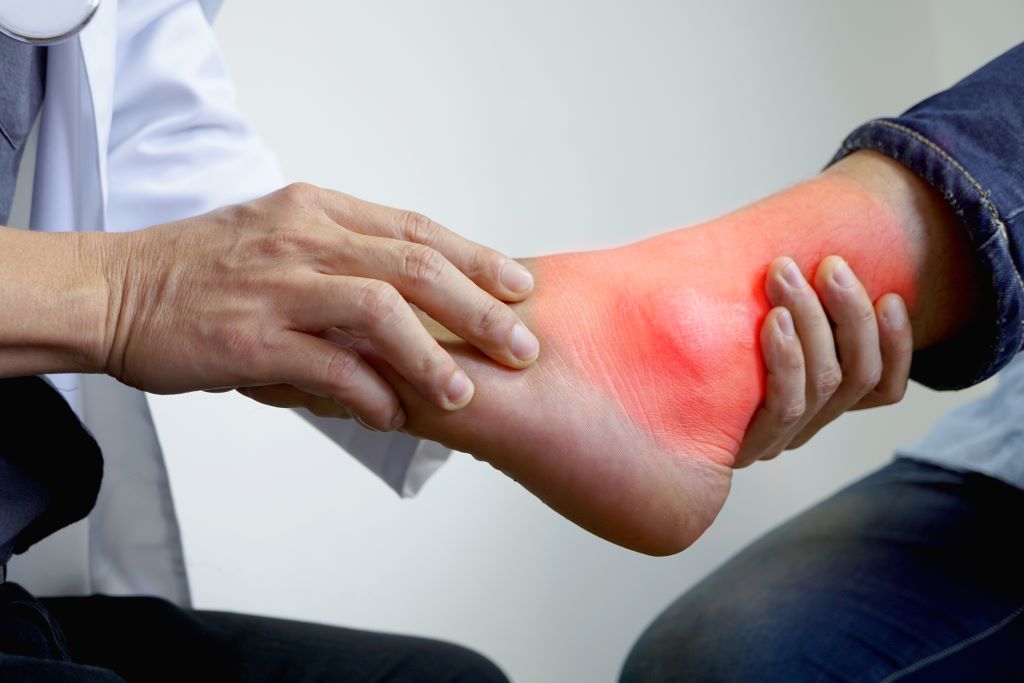
Gout is an inflammatory condition that mainly affects the joints and can cause painful and debilitating symptoms. The main symptoms of gout include:
- Acute attacks of pain: Gout is characterised by the sudden onset of an acute attack of intense pain in a joint. The big toe is usually the joint most commonly affected, but other joints such as the ankles, knees, wrists and feet may also be involved. The pain is often described as intense and unbearable. It most often begins during sleep or on waking in the morning, and follows a heavy evening meal;
- Inflammation and swelling: During a gout attack, the affected joint becomes inflamed, red and swollen. These symptoms can make the joint tender to the touch and can limit mobility;
- Tenderness and a sensation of heat: The affected joint may become tender to the touch and may feel hot. This can be experienced as a burning or throbbing sensation around the affected area;
- Restricted movement: During a gout attack, moving the affected joint can become difficult or painful. The pain and inflammation can limit the ability to carry out everyday activities and can affect quality of life;
- Recurrence of episodes: Gout is often a chronic condition and is characterised by recurring episodes of acute attacks. These attacks can last a few days or weeks and may return periodically over time.
How gout is diagnosed
The diagnosis of gout is based on an assessment of the symptoms, a physical examination, the medical history and the results of laboratory tests.
Here are some of the common methods used to diagnose gout:
- Assessment of symptoms: The doctor will talk to the patient about the symptoms experienced, including joint pain, inflammation and the recurrence of episodes. A detailed description of the symptoms can provide important clues for establishing the diagnosis;
- Physical examination: The affected joints will be examined for signs of inflammation, redness and swelling. This examination may also include an assessment of joint mobility and tenderness;
- Laboratory tests: Blood tests may be carried out to measure the level of uric acid in the blood. A raised acid level may indicate the presence of gout. In addition, analysis of synovial fluid taken by joint aspiration may be performed to detect the urate crystals that are characteristic of this condition. Measuring inflammatory markers (C-reactive protein, ESR) is also useful;
- Medical imaging: X-rays of the affected joints may be taken to detect any structural changes – large geodes, erosions, a "punched-out" bone appearance, deposits of urate crystals. Ultrasound scanning of the joints can also help to identify inflammation and urate crystals in the soft tissues (a "double contour" sign – crystal deposits on the surface of the articular cartilage, or a "snowstorm" appearance – floating crystals in the periarticular bursae).
Progression of the disease, or the stages of gout
Asymptomatic hyperuricaemia
Asymptomatic hyperuricaemia is characterised by a raised level of uric acid in the blood without the appearance of the symptoms specific to gout. This stage can last for years, and patients may be completely free of symptoms.
Asymptomatic hyperuricaemia is therefore a period during which the disease can progress silently before it manifests itself through acute gout attacks. Monitoring uric acid levels and adopting a healthy lifestyle are important in preventing the disease from progressing.
Acute gouty arthritis
This stage is marked by the sudden onset of an acute gout attack. The joint of the big toe is usually the one most frequently affected, but other joints such as the knees, ankles, wrists and feet may also be involved. The attack is characterised by intense inflammation, extreme pain, redness, swelling and tenderness around the affected joint. The attack can last anywhere from a few days to a few weeks.
The asymptomatic interval (intercritical gout)
Once the acute attack is over, the patient enters a period during which they have no gout-specific symptoms. During this time, the inflammation and joint pain disappear completely and the patient may be asymptomatic. However, the raised level of uric acid in the blood persists, and deposits of urate crystals may form in the joints and tissues even if there are no obvious symptoms.
Chronic tophaceous gout
This stage is characterised by the formation of tophi, which are deposits of urate crystals under the skin and around the joints. Tophi can be felt on palpation as hard lumps and can cause joint deformities. They can appear in the joints of the hands, fingers, wrists, elbows, ankles and other parts of the body. Chronic tophaceous gout is often associated with the long-term course of the disease and can lead to serious complications, such as joint destruction and kidney dysfunction.
Pseudogout
Pseudogout is a condition in which calcium pyrophosphate crystals build up in the joints, causing symptoms similar to those of gout. Pseudogout can cause acute attacks of joint inflammation and tends to affect large joints in particular, such as the knees, wrists and shoulders. The treatment of pseudogout may differ from that of gout, because it involves other types of crystals.
Other similar conditions
There are also other conditions that can cause symptoms similar to gout, such as rheumatoid arthritis, osteoarthritis, psoriatic arthritis, septic arthritis and cellulitis. These conditions can involve joint inflammation and cause pain and discomfort. A correct diagnosis is essential in order to establish an appropriate treatment plan.
What does the treatment of gout involve
The treatment of gout focuses on managing acute symptoms, preventing recurrences and controlling the level of uric acid in the blood. It is important to consult a doctor in order to establish an appropriate treatment plan tailored to the individual needs of the patient.
Initial treatment
Once gout has been diagnosed, the initial treatment focuses on relieving the acute symptoms and controlling the inflammation. To this end, the doctor may prescribe non-steroidal anti-inflammatory drugs (NSAIDs) to reduce the inflammation and joint pain associated with gout. Medicines such as colchicine, corticosteroids or painkillers may also be given to control the symptoms and ease the patient's discomfort. Initial treatment is important for calming the acute symptoms and providing a rapid response to a gout attack, thereby ensuring the patient's comfort.
Maintenance treatment
To prevent recurrences of gout and keep the level of uric acid in the blood under control, long-term maintenance treatment is necessary. This involves taking medicines that lower uric acid levels, such as xanthine oxidase inhibitors or uricosurics. The aim is to keep the uric acid level below the critical threshold in order to prevent crystals from forming in the joints.
Treatment when gout worsens
If gout worsens or an acute attack occurs, the doctor may adjust the treatment to bring the symptoms rapidly under control. This may involve changes to medicine doses or the addition of further medicines to calm the inflammation and pain.
Outpatient treatment
Many episodes of gout can be managed at home with outpatient treatment. This may include taking the prescribed medicines, applying ice to the affected area, resting and avoiding foods and drinks that can raise uric acid levels.
Surgical treatment
In rare and severe cases of the condition, when medicines are not effective or when complications arise, local therapeutic intervention may be necessary. This may involve draining fluid from the affected joint or removing the urate crystals. Surgery may also be recommended in the case of large urate deposits known as gouty tophi.
Possible complications of gout
Gout can lead to a number of complications that can significantly affect patients' health and quality of life. These complications include:
- Gouty tophi: Tophi can cause persistent inflammation, pain and joint deformities;
- Joint damage: Repeated gout attacks can lead to chronic inflammation and progressive destruction of the joints. This can cause restricted mobility and difficulty in carrying out daily activities;
- Kidney stones: The raised level of uric acid in the blood can contribute to the formation of crystals in the kidneys and, subsequently, kidney stones. These can cause intense pain and kidney problems;
- Cardiovascular complications: Gout is associated with an increased risk of cardiovascular disease, such as high blood pressure, heart disease and stroke;
- Psychosocial impact: The chronic pain and discomfort associated with gout can affect patients' quality of life and psychological wellbeing. Self-esteem may be affected, and depression and anxiety may develop as a result of the physical limitations and the impact of the disease on daily activities.
It is essential for patients with gout to receive appropriate treatment and to take steps to control the level of uric acid in their blood, so as to reduce the risk of complications and improve their quality of life. Ongoing medical care and the adoption of a healthy lifestyle, including a balanced diet and regular physical activity, can play an important role in managing gout and preventing the associated complications.
Recommended diet for people with gout

Diet plays an essential role in managing gout and controlling the level of uric acid in the blood. Here is what a diet recommended for people with gout includes:
- Limiting purine-rich foods: Foods such as red meat, offal (liver, kidneys), seafood and some vegetables (spinach, mushrooms) contain high amounts of purines, which can raise uric acid levels. It is therefore recommended to cut down on these foods;
- Moderate protein intake: Proteins are very important, but large amounts can contribute to higher uric acid levels. It is recommended to choose healthy sources of protein, such as chicken, turkey, fish and legumes;
- Adequate hydration: Drinking sufficient amounts of water is recommended to help dilute uric acid and remove it through the urine;
- Avoiding alcohol: Alcohol, especially spirits and beer, can raise the level of uric acid in the blood and worsen the symptoms of gout. It is recommended to avoid or limit alcohol consumption;
- Eating fruit and vegetables: Fruit and vegetables are rich in nutrients and antioxidants, which can help to reduce inflammation and protect the joints. It is therefore important that they are not missing from the daily diet;
- Weight control: Maintaining a healthy body weight through a balanced diet and regular exercise can help to reduce the risk of gout attacks and to manage the disease.
It is important to consult your doctor for personalised recommendations tailored to your individual needs. In addition, following a healthy diet should go hand in hand with an active lifestyle, proper stress management and taking the prescribed medicines correctly, in order to control the symptoms of gout and prevent complications.
Prevention
Preventing gout is essential in order to reduce the risk of attacks and prevent the associated complications. Here are some effective ways to prevent it:
- Adopting a healthy diet: Opt for a balanced diet rich in fruit, vegetables and whole grains. Avoid purine-rich foods such as red meat, offal and seafood. Eat animal protein in moderation and limit your intake of alcohol and refined sugars;
- Adequate hydration: Make sure you drink enough water throughout the day. Proper hydration helps to remove uric acid from the body and prevents it from building up in the blood;
- Maintaining a healthy weight: Controlling body weight is important in preventing gout. Maintain an appropriate body mass index (BMI) through a healthy diet and regular exercise;
- Avoiding excessive alcohol consumption: Alcohol can raise the level of uric acid in the blood and encourages the development of gout. Limit or avoid alcohol;
- Avoiding diuretics: If you take diuretics to treat certain conditions, talk to your doctor about suitable alternatives for managing the disease or about adjusting the dose. Certain diuretics can raise the level of uric acid in the blood;
- Regular exercise: Regular physical activity helps you to maintain a healthy body weight and reduces the risk of developing this condition. Opt for moderate exercise such as walking, swimming or cycling;
- Monitoring uric acid levels: If you have a history of gout or have risk factors, it is important to monitor the level of uric acid in your blood. See your doctor to arrange regular check-ups and receive specific recommendations.
Every case of gout is unique, and treatment and preventive measures may vary according to individual needs. It is advisable to consult your doctor for guidance and to establish a prevention plan that is right for you!
Frequently asked questions
Q: Is gout a serious disease?
Gout is a chronic condition with serious complications. Appropriate treatment and the adoption of a healthy lifestyle can control the symptoms, preventing joint damage and the development of associated conditions. Working together with your doctor and following the dietary and medication regimen are essential for managing gout and maintaining a good quality of life.
Q: Can you exercise if you have gout?
Yes, movement and regular exercise can be beneficial for people with gout. However, it is important that sporting activities are carried out with care and adapted to the individual needs of patients, depending on the stage/severity of the condition.
Article sources:
National Institute of Arthritis and Musculoskeletal and Skin Diseases, N.I.H.Gout. Available at https://www.niams.nih.gov/health-topics/gout
Mayo Clinic, M.C. Gout. Available at https://www.mayoclinic.org/diseases-conditions/gout/symptoms-causes/syc-20372897
Cleveland Clinic, C.C.Gout. Available at https://my.clevelandclinic.org/health/diseases/4755-gout
Medical News Today, M.N.T. What to know about gout. Available at https://www.medicalnewstoday.com/articles/144827
Newsletter subscription
Sign up for the Artro Sport newsletter free of charge!