The knee is one of the most heavily used joints in the body and is frequently exposed to trauma and injury. A hard blow or a fall can cause damage, and one of the most painful conditions is a fracture of the patella (kneecap). This problem requires immediate medical attention and a well-defined treatment plan to prevent complications and restore mobility to the knee.
In this article we will look at the causes, symptoms, types of fracture and the most effective treatment methods.
What is a patella fracture?
The patella, or kneecap, is a triangular sesamoid bone located at the front of the knee. It acts as a shield for the knee joint and plays an essential role in straightening the leg. Together with the surrounding muscles and ligaments, the patella takes part in the flexion and extension movements needed for everyday activities such as walking, running or climbing stairs.
A patella fracture is a common condition and can vary in severity. In milder cases there may be a crack in the bone, with no displacement of the fragments. Severe fractures, on the other hand, may involve complete fragmentation of the patella, which requires complex surgery to reconstruct the bone and fix the pieces in the correct position.
The causes of the fracture include direct trauma, such as falls onto the knee or road traffic accidents. Symptoms can range from acute pain and local swelling to an inability to straighten the leg. A correct diagnosis is crucial to prevent complications such as post-traumatic osteoarthritis or permanent stiffness of the knee, which can affect mobility in the long term.
Types of patella fracture
Patella fractures are classified according to the location and severity of the injury, and each type has specific characteristics that influence the treatment method.
Here is a detailed description of the most common types:
Undisplaced fracture
This is the mildest form of fracture, in which the patella is cracked, the fracture is incomplete and the fragments remain correctly aligned. Since there is no displacement between the bone fragments, treatment usually consists of immobilising the knee with a plaster cast or a brace. This method allows the bone to heal. Undisplaced fractures are common after minor falls or moderate blows to the knee, and recovery time varies between 4 and 6 weeks, depending on the severity of the crack and how the body responds to treatment.
Displaced fracture
A displaced fracture occurs when the bone fragments have moved apart, which means they need to be realigned to restore normal function of the knee. This form is more serious, because the fragments can cause instability in the joint, intense pain and major difficulty moving the leg. In most cases, surgery is needed to fix the bone fragments with screws, plates or metal wires. Surgical treatment is followed by a period of recovery and rehabilitation to restore strength and mobility to the knee.
Comminuted fracture
A comminuted fracture is one of the most serious types of fracture, in which the patella shatters into several fragments. It is usually the result of an extremely forceful impact, such as a car accident or a fall from height. Because of the complexity of the injury, surgery is needed to reconstruct and stabilise the patella. In some extreme cases, part of the bone may be removed to preserve the function of the joint. Recovery after a comminuted fracture is long and complex.
Open fracture
An open fracture is the most serious form, in which the fractured bone breaks through the skin. This type carries a high risk of infection, which requires immediate surgery to clean the area and fix the bone. Urgent surgical treatment is essential to prevent serious complications such as bone infection or permanent damage to the function of the knee.
Vertical fracture
This fracture is rarer and presents as a crack running along the vertical axis of the patella. It can be caused by a direct impact to the knee or by a forceful twisting of the leg. Treatment varies depending on whether the bone fragments are displaced. If the fracture is undisplaced, it can be treated by immobilisation, but in more severe cases surgery may be needed.
Transverse fracture
A transverse fracture involves a horizontal crack across the patella and may be either displaced or undisplaced. In the case of an undisplaced fracture, immobilisation is usually sufficient, but where the fragments are separated, surgical treatment is needed to realign and fix the bone. This fracture is caused by a direct impact, such as hard blows or falls onto hard surfaces.
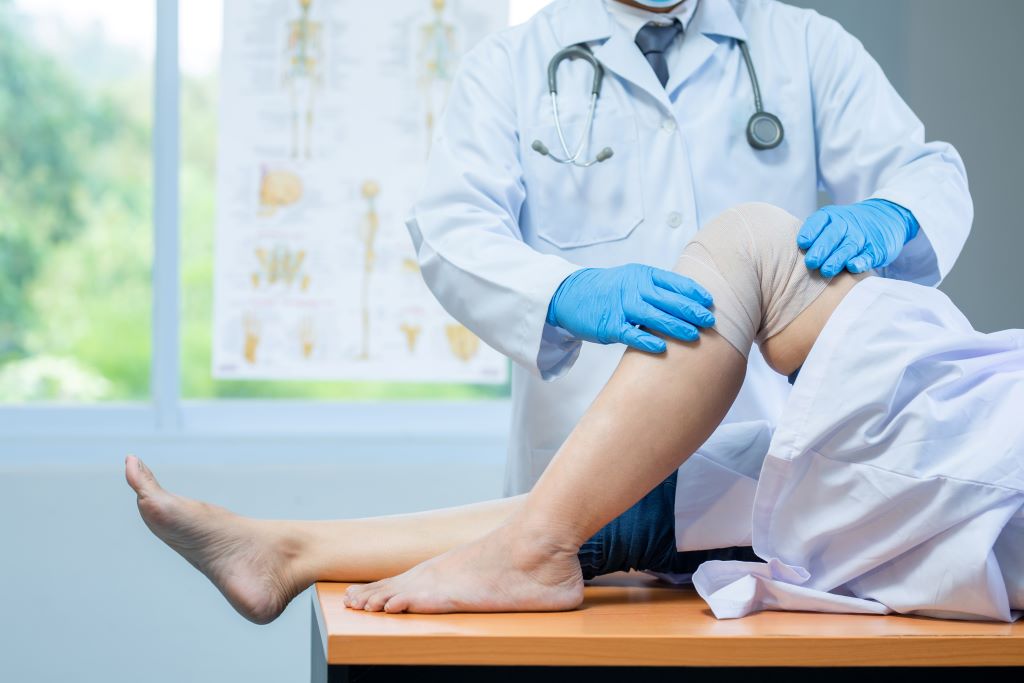
A correct and complete diagnosis of the fracture is essential for deciding on the best treatment. Imaging examinations such as X-rays, CT scans and MRI help the doctor determine the type of fracture and draw up an appropriate treatment plan, whether this involves conservative methods or surgery.
Causes and risk factors
A patella fracture is caused by a direct impact to the knee, such as a fall onto a hard surface, a car accident or a sports accident. Risk factors include osteoporosis, osteopenia and repeated trauma.
Symptoms of a patella fracture
A patella fracture presents with a number of easily recognisable symptoms, which can vary according to the severity of the injury. The most common symptoms include:
- Intense pain at the front of the knee, especially when you try to bend or straighten the leg;
- Inflammation and swelling around the knee, which appear rapidly after the injury. The swelling may be accompanied by a haematoma;
- Difficulty moving: In the event of a fracture, straightening the knee becomes extremely difficult or impossible. People with a patella fracture are usually unable to fully straighten their knee;
- Instability when walking: Because of the inability to bear weight on the affected leg, walking becomes difficult or impossible.
It is important that these symptoms are assessed by a specialist immediately, in order to prevent further complications.
Can you walk with a patella fracture?
In most cases, walking with a patella fracture is very difficult or impossible, especially if the fracture is displaced. Because of the intense pain and the instability of the knee, bearing weight on the affected leg becomes problematic. In the case of an undisplaced fracture, the patient may be able to walk with crutches, but any pressure on the knee can make the injury worse. After such an injury, it is essential to avoid putting weight on the leg until a doctor has been consulted.
Diagnosing a patella fracture
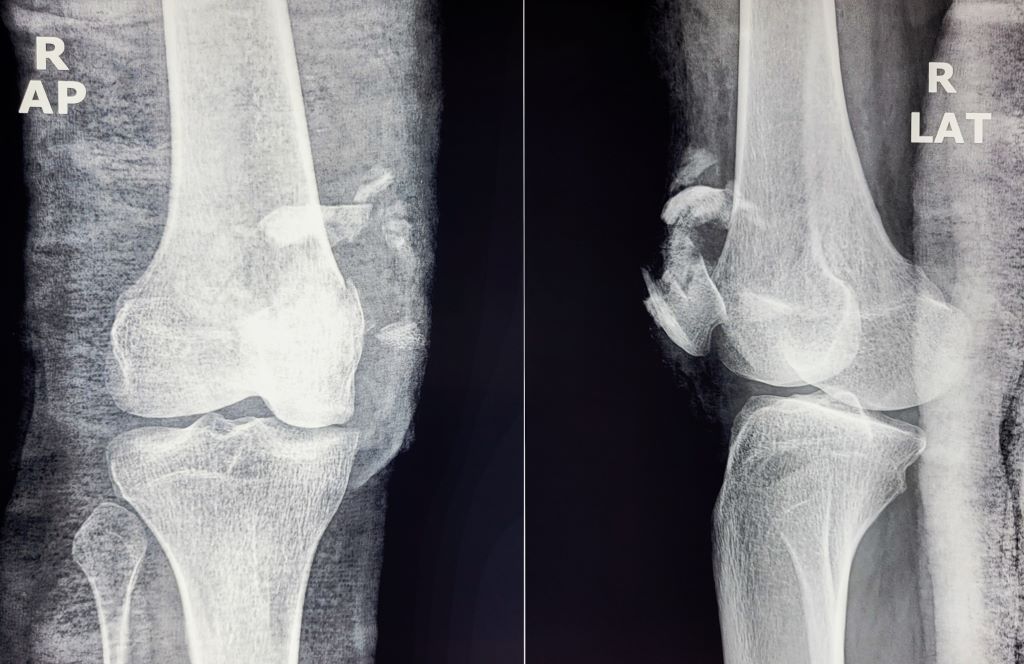
Diagnosing a patella fracture begins with a detailed assessment by a specialist. The doctor will examine the knee area to identify signs of inflammation, tenderness or deformity. These signs may indicate the presence of a fracture, and the patient will be asked about the circumstances that led to the accident, as well as about the symptoms experienced, such as intense pain, difficulty moving the leg or inability to bear body weight.
After the physical examination, an X-ray is the basic test for confirming the diagnosis. It provides a clear image of the patella and can show whether the bone fragments are displaced, as well as the severity of the fracture. X-ray is a quick and effective investigation for most cases.
In more complex situations, such as comminuted fractures, in which the patella is broken into several fragments, the doctor may recommend further imaging investigations such as computed tomography (CT) or magnetic resonance imaging (MRI). These tests provide a more detailed picture of the bone structures and the soft tissues around the knee, including the ligaments and tendons, helping to plan the best treatment.
Treatment
Conservative treatment
Conservative treatment is indicated in cases where the patella fracture is undisplaced or only minimally displaced. The first stage of this treatment is immobilising the knee with a splint or a plaster cast. This helps keep the bones in the correct position and prevents further displacement. The period of immobilisation usually varies between 4 and 6 weeks, depending on the severity of the fracture.
Alongside immobilisation, painkillers and anticoagulant treatment are recommended to control pain and inflammation. After the period of immobilisation, the patient will need to follow a physical rehabilitation programme, which includes exercises to restore muscle strength and mobility of the knee.
Surgical treatment
Surgery is needed when the fracture is displaced or in cases of comminuted fracture. The surgeon will realign the bone fragments and fix them in the correct position using screws or metal wires.
Watch a surgical procedure on the patella here.
Surgical techniques
Several surgical techniques are used to treat patella fractures. One of the most common methods is tension band wiring. This technique uses a loop of wire that compresses the bone fragments together, allowing them to heal in the correct position. Another method is screw fixation, used when the bone fragments are large enough to allow screws to be inserted.
In severe cases, when the patella is completely destroyed, it may be necessary to remove it entirely or in part (patellectomy). Although this procedure can affect the function of the knee, it is the last resort for restoring mobility.
Post-operative recovery
Post-operative recovery after a patella fracture depends largely on the type of procedure and the severity of the injury. After surgery, the patient goes through an initial period of immobilisation, which generally lasts between 4 and 6 weeks. During this phase the knee is protected with a brace or a plaster cast, to allow the bone to heal without sudden movements that could affect the consolidation process.
Once the immobilisation is removed, the phase of active recovery through physiotherapy begins. Stretching and muscle-strengthening exercises play a crucial role in restoring flexibility and strength to the knee. These exercises help regain mobility and prevent stiffness of the joint, which could affect the function of the knee in the long term.
Complete recovery can take from 3 to 6 months, depending on the complexity of the fracture and the patient's individual progress. During this period it is important for the patient to follow the physiotherapy programme and avoid overloading the knee until the doctor gives permission to resume normal activities. A well-managed recovery ensures an effective return to activity and reduces the risk of long-term complications.
Possible complications
As with any bone injury, a patella fracture can lead to complications, especially if it is not treated correctly. The most common complications include:
- Post-traumatic osteoarthritis: Damage to the cartilage as a result of the fracture can lead to the development of osteoarthritis in the knee, causing long-term pain and stiffness;
- Loss of mobility: If the fracture is not treated correctly, permanent restrictions of knee movement may develop, affecting the ability to fully bend or straighten the leg;
- Infection of the surgical site: In the case of open fractures or surgery, there is a risk of infection, which can complicate the healing process and requires antibiotic treatment;
- Heterotopic bone formation: In some cases, abnormal bone growth may occur inside or around the knee joint, leading to stiffness.
These complications can be avoided or minimised through early diagnosis, appropriate treatment and a rigorous post-traumatic rehabilitation programme.
In short, a patella fracture is a serious condition that requires prompt medical attention and a personalised treatment plan, depending on the type and severity of the fracture. A correct diagnosis, whether by physical examination, X-ray or other advanced imaging methods, is essential to prevent complications and ensure an effective recovery. Although conservative treatments are effective in mild cases, displaced or complex fractures may require surgery to restore normal function of the knee.
Post-operative recovery, supported by physiotherapy, is essential for regaining mobility and strength in the knee and preventing long-term complications such as stiffness or post-traumatic arthritis. A complete and rigorous approach to treatment ensures a gradual return to daily activities and an optimal quality of life.
Newsletter subscription
Sign up for the Artro Sport newsletter free of charge!