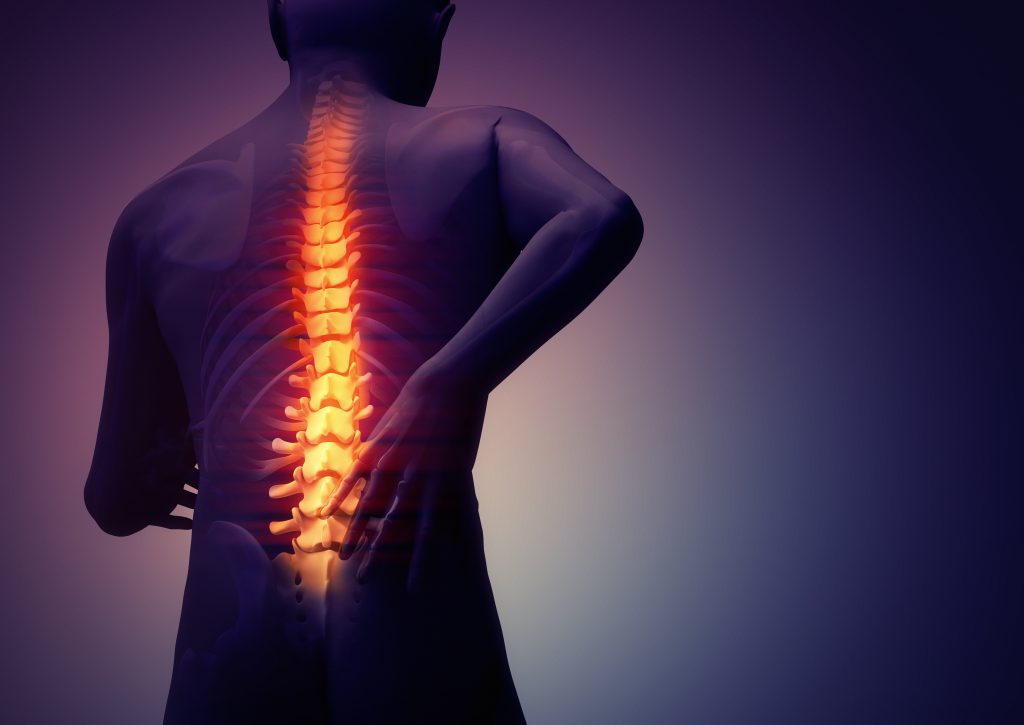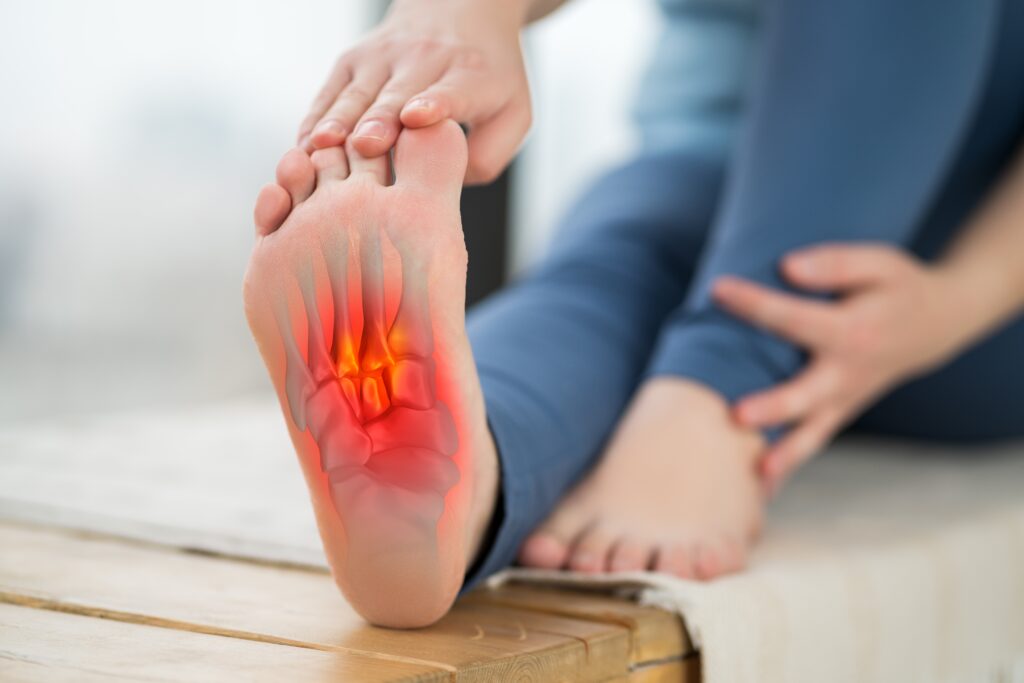
Any sports coach and any doctor will tell you that it is very important to look after your tendons and ligaments too. When we want to get into good physical shape, we usually focus on toning our muscles. But muscles are only one part of the picture. Tendons and ligaments connect muscles to bones and, if they are not strong enough, they can restrict movement and leave us prone to serious injury.
Someone who suffers a muscle tear will heal faster than someone who has been diagnosed with a partial tendon tear, for example. And if a ligament is completely torn, surgery will be needed.
The strength of a muscle depends on the ability of its tendons to take up the force it generates. The health of the skeletal system likewise depends on the condition of the ligaments, which must keep the joints working properly.
What are ligaments?
Ligaments are fibrous or fibro-connective structures whose role is to hold the components of a joint in place or to support and hold one or more organs. Slightly elastic and very tough connecting structures, ligaments are made up of white collagen fibres. Unlike muscle tissue and even bone, ligaments receive a very small blood supply. This explains why an injured ligament heals far more slowly than a torn muscle or a broken bone.
Given this, it is very important to know how to keep our ligaments strong and healthy.
The difference between ligaments and tendons
Tendons are fibrous tissues whose role is to connect muscles to bones. Although they are somewhat similar structures, there are essential differences between tendons and ligaments. While a tendon connects muscle to bone, a ligament connects two bones. And whereas tendons allow the muscles to move the bones, the role of ligaments is to stabilise the joints.
As for structural differences, tendons are thick, elastic and tough fibrous tissues, whereas ligaments are thinner and less elastic than tendons. Both, however, grow very slowly and heal with difficulty, because they have a poor blood supply.
The emphasis must therefore be on prevention, to avoid long-lasting problems.
5 secrets to strong ligaments and tendons
Ligaments and tendons are largely made of collagen, an insoluble fibrous structural protein, and by stimulating collagen production we help keep them healthy. There are several simple methods, within anyone's reach, of having strong tendons and healthy ligaments.
Failing to follow some basic rules of healthy living and skipping the warm-up before playing sport can lead to strains, pain, inflammation and even surgery.
Let us look at 5 simple ways of caring for your ligaments and tendons.
Strengthening the ligaments and tendons
If we want to strengthen these structures of the body, the first thing we need is patience.
Strengthening them takes longer, because ligaments and tendons receive an even smaller blood supply than bones. That is why a broken bone heals in four to six weeks, but a tendon or ligament takes nine months.
Researchers at the University of Copenhagen maintain that at least two months of intensive training are needed to produce structural changes (increased collagen synthesis) in the Achilles tendon. Perseverance is therefore required, and within a month or two we will see the difference.

Plenty of exercise
Physical exercise helps collagen production. To strengthen our ligaments and tendons we can cycle or run, but weight-bearing exercises are also very good.
Loading the joints increases the blood flow between the collagen fibres, and over time they become more resilient. We must, however, take care to warm up beforehand so that injuries are avoided, and any increase in weights should be gradual.

A diet rich in micro- and macronutrients
Adjusting our diet is a very good idea if we want to strengthen our ligaments and tendons.
Foods rich in zinc, vitamin C and chlorophyll stimulate collagen production in the body. If every day, depending on the season, our table includes green leafy vegetables, tomatoes, sweet or hot peppers, fresh herbs, nuts, seeds, wholegrain cereals or dairy products, and chicken, beef or lamb, our daily requirement of these vitamins and minerals is covered.

Dietary supplements
If your doctor agrees, you can add dietary supplements to your diet: vitamin C and collagen, or ginseng and chlorella. Taken an hour before exercise, these supplements help collagen synthesis.
But any dietary supplement or vitamins must be taken only with the approval of your doctor.

Sleep
Sleep to stay in shape! The advice may sound paradoxical, but specialists maintain that at least 7 hours of sleep a night are needed for normal collagen production in the body (which, in any case, declines with age). A study by the University of California established a link between sleep and the production of growth hormones.
So, since these hormones stimulate collagen synthesis, a restful night's sleep is an easy way to keep our tendons, ligaments and muscles strong.
Personalised diet based on metabolic testing
Photo source: Pexels
Orthopaedics Clinic Bucharest
Congenital or acquired conditions of the musculoskeletal system, from diagnosis through to recovery, are treated by the team of orthopaedic doctors at Artro Sport Clinic.
Whether traumatic or non-traumatic in nature, our orthopaedic doctors can offer the best medical solutions for orthopaedic problems.
Find out more

Dr. Ion Bogdan Codorean
Consultant in orthopaedics and sports traumatology. Doctor of Medicine (PhD).
View profileNewsletter subscription
Sign up for free to the Artro Sport newsletter!