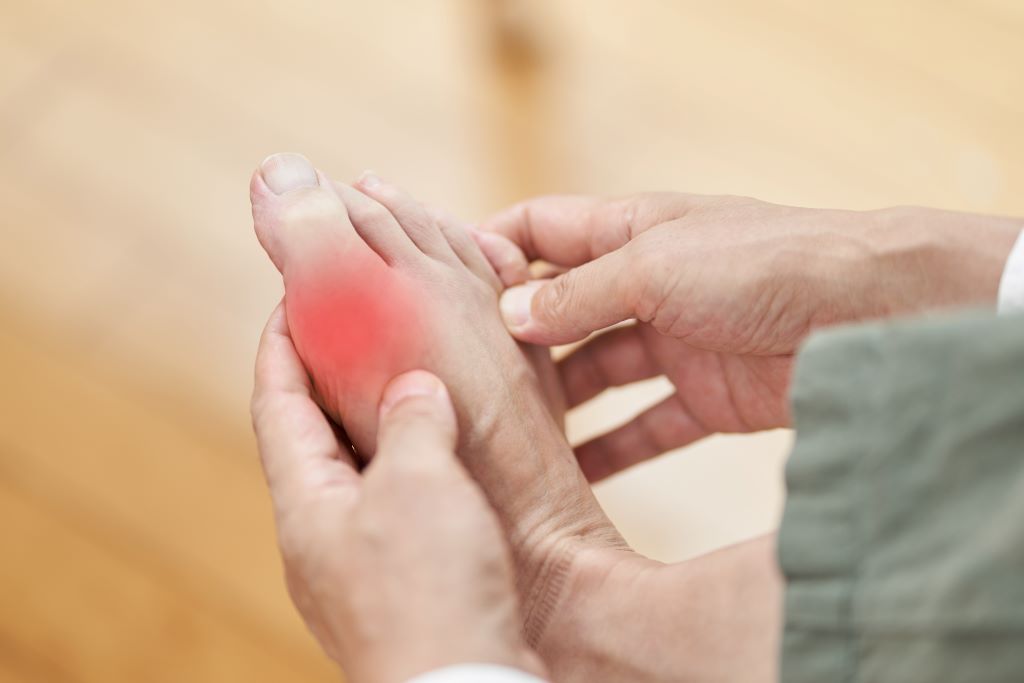
You have almost certainly felt joint pain in the cold season at least once, or heard someone say that autumn or winter weather makes their knee, hip or wrist pain worse.
The cold season can cause or even worsen various conditions – cardiovascular, respiratory, urinary and, not least, rheumatic. People who are affected by cold weather are described as weather-sensitive or weather-dependent.
Which joint conditions are made worse by cold weather?
Arthritis is an umbrella term covering a number of conditions such as osteoarthritis, knee osteoarthritis, and rheumatoid or degenerative arthritis, which cause inflammation of the joints. Rheumatism is also among the conditions that cause weather sensitivity. The effect of these conditions is pain, stiffness of the joints and reduced mobility for the patient.
How does cold weather affect the joints?
Although there is not yet a clear explanation for the link between cold weather and joint pain, scientists have put forward a number of hypotheses. First of all, barometric pressure. This drops as the cold sets in – as a result, the tissues swell and can cause pain and stiffness. Could low atmospheric pressure, combined with low temperatures, cause the muscles to contract, also leading to joint pain?
How can we protect ourselves from joint pain in the cold season?
If you suffer from a joint condition, tell your doctor about any symptoms that appear during the cold season, as it may be necessary to increase your medication to reduce the pain.
Here is what else you can do to reduce the effects of cold weather on your joints:
- Regular movement – although the temptation is to rest when our knees hurt, inactivity can make joint pain and stiffness worse. Walking, stretching exercises or other gentle exercises that do not put pressure on the joints can help to ease the pain;
- Suitable clothing – in the cold season, we need to wear appropriate clothes to protect ourselves from the cold. An effective method is to dress "in layers", especially around the joints;
- A suitable, nutritious diet – a healthy diet is directly linked to joint health, and one of the effects of healthy eating is keeping body weight within normal limits, thereby avoiding extra pressure on the joints;
- Don't forget vitamin D – in the cold season, when the sky is overcast most of the time, vitamin D is harder to obtain. Since this vitamin supports joint health, ask your doctor for advice on ways to supplement your vitamin D levels.
Doctors who can help you:
Newsletter subscription
Sign up for the Artro Sport newsletter free of charge!