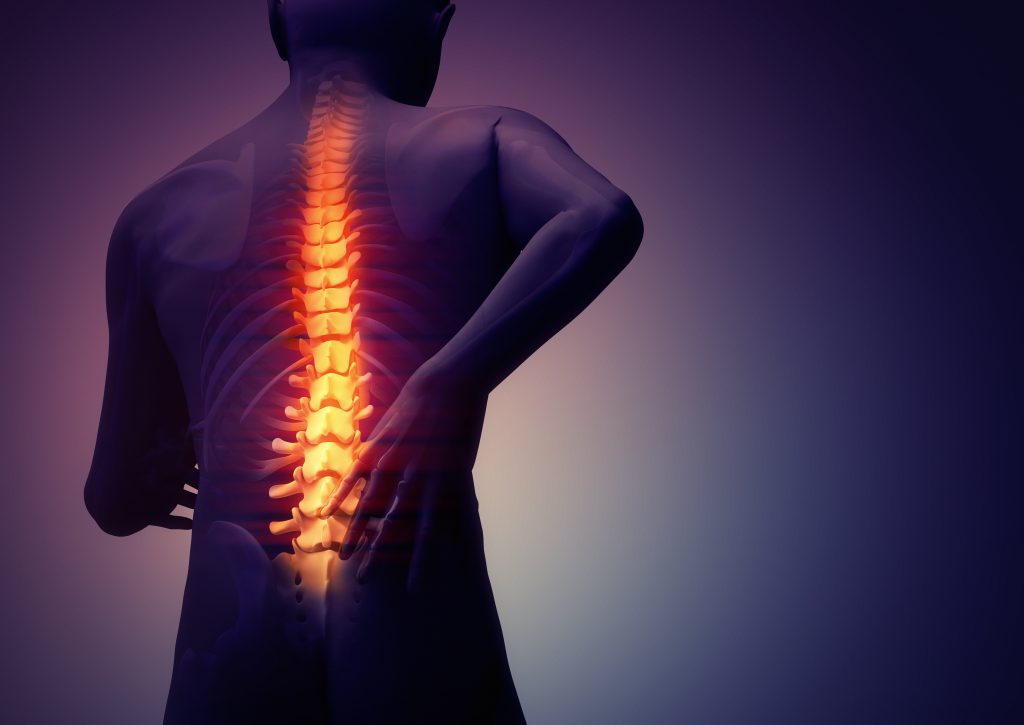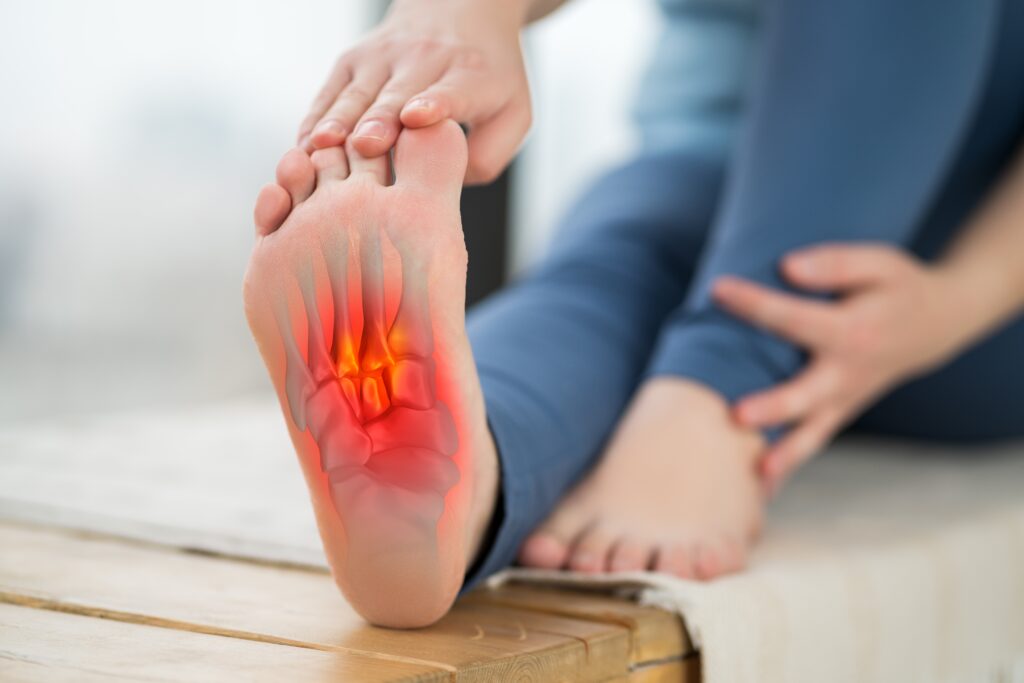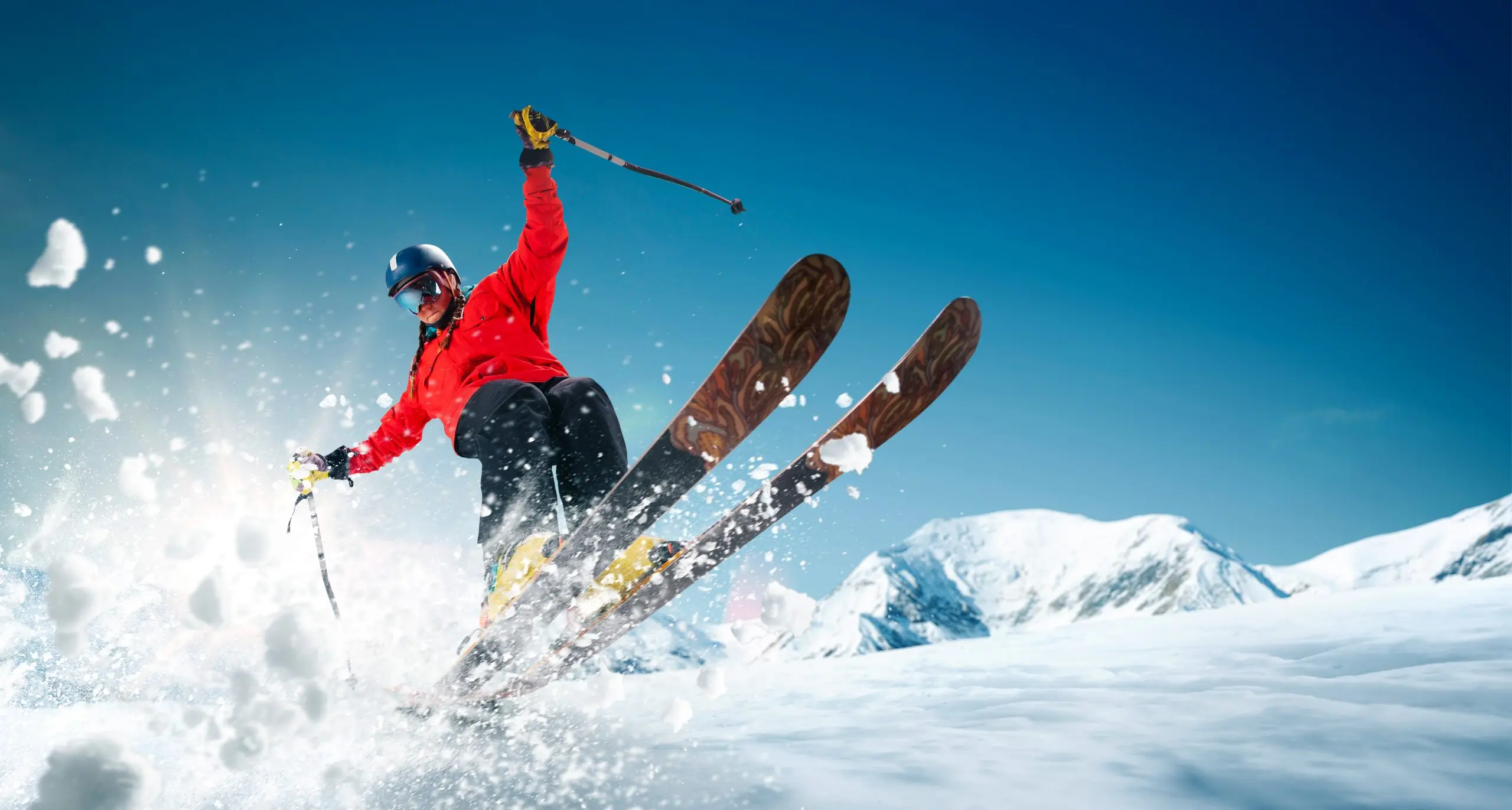
The winter sports season has begun, and many of us are eager to enjoy our first experiences on the slopes this year. Winter sports such as skiing or snowboarding are not just a way to relax; they also have many health benefits, especially for the heart, helping to prevent cardiovascular disease. Nevertheless, the risk of injury in these sports is fairly high, so it is important to follow a number of recommendations to avoid getting hurt.
The most common injuries on the slopes
The most common injuries on the slopes affect the lower limbs; year after year we see cruciate ligament tears, collateral ligament tears and meniscus tears. These injuries most often happen at low speed, through inattention, and can even make it impossible to practise certain sports in the future. Other injuries encountered are fractures of the limbs, such as those of the shoulder, elbow or wrist.
What should we do to avoid injuries
Before any intense physical effort, a proper warm-up and preparation are essential, and this should not be neglected in winter sports either. Before heading to the slopes, it is advisable to work on the muscle groups that are most heavily used in skiing in order to strengthen them. Stretching exercises are also extremely useful in preparing for skiing and avoiding various injuries. Their purpose is not only to tone the muscles; they can also help improve mobility and balance, so as to avoid accidents and protect areas that could suffer serious injury.
In addition to the preparation that should be done at least 3-4 weeks in advance, warming up before going out on the slopes is just as important. This type of warm-up should last 15-20 minutes to activate the muscles and gradually increase circulation, body temperature and heart rate so that the body is ready for exertion. Warming up helps the body both physically and mentally. Physically, it helps activate the muscular, cerebral and nervous systems, while mentally it helps the skier be more focused and attentive to the movements performed on the slopes.
Why warming up before going out on the slopes is important:
- the risk of injury is lower;
- exercise capacity and joint resilience are improved;
- body temperature rises gradually;
- muscles and joints are warmed up and ready for movement
To test your endurance and the maximum level of exertion your body can withstand, it is also advisable to undergo cardiopulmonary exercise testing. This will show you how your muscular, metabolic, pulmonary and cardiovascular systems perform under intense exertion.
What to do if we suffer an injury
If you are injured on the slopes or witness an injury, it is good to know the protocol for such situations so that you can help the injured person before the medical team arrives or before they are taken to an orthopaedic specialist.
For injuries to joints, muscles or bones, orthopaedic specialists recommend applying the RICE protocol.
- Rest – stop any physical activity that puts strain on the affected area
- Ice – reduces swelling and pain and should be applied immediately after the injury
- Compression – the affected area should be wrapped as quickly as possible with an elastic bandage to limit swelling
- Elevate (raise the affected limb) – the affected limb should be kept raised above the level of the heart while resting
Following and applying the RICE protocol is only a way of giving first aid immediately after the injury; it does not replace seeing a doctor. In the case of injuries on the slopes, it is crucial to see an orthopaedic specialist for the necessary investigations and appropriate treatment.
Newsletter subscription
Sign up for the Artro Sport newsletter free of charge!