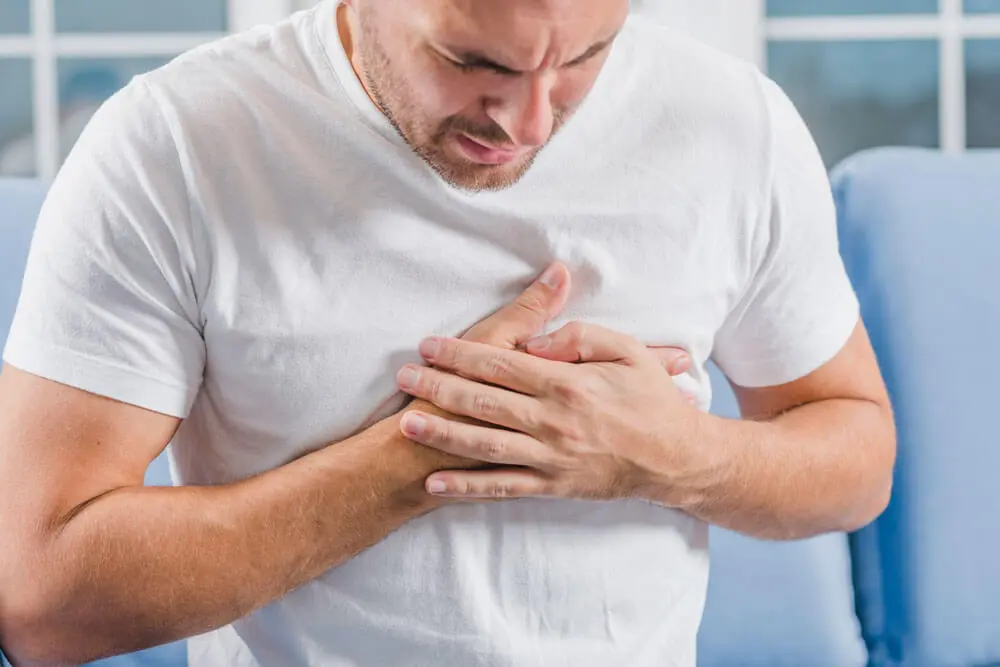
Cardiovascular conditions are among the most serious health problems and are the leading cause of death in Romania. There are many causes of heart conditions, including high cholesterol, smoking, lack of exercise, high blood pressure and obesity, as well as psychological problems such as anxiety or depression. This is precisely why monitoring the health of your heart should always be a priority for you, regardless of your age or family history.
In many cases, symptoms are ignored by the public when they first appear, and patients only come to the cardiologist's surgery once they intensify and the conditions are at a more advanced stage. Most cardiovascular diseases can be prevented through a balanced diet, regular physical activity and giving up smoking, but also by seeing a cardiology specialist regularly to have your heart activity monitored.
Preventing cardiovascular conditions
For the prevention, diagnosis or treatment of cardiovascular conditions there is a wide range of investigations using advanced technology that you are advised to have, so that you can enjoy a healthy life for as long as possible:
- Ambulatory blood pressure monitoring (BP Holter)
- ECG
- Echocardiography
- Exercise ECG test
- Cardiopulmonary exercise testing
One of the simplest ways of monitoring heart activity is fitting a BP Holter monitor, which measures blood pressure at preset intervals. This investigation is recommended in the following cases:
- to detect high blood pressure
- to monitor the effectiveness of treatment and adjust it in patients who have been diagnosed with high blood pressure
- to diagnose low blood pressure
The ELECTROCARDIOGRAM (ECG or EKG) is another non-invasive investigation that measures the electrical activity of the heart and is sometimes part of the routine check-up for older patients, as they are at higher risk of developing disease. This test helps doctors to diagnose a number of conditions such as:
- cardiac arrhythmia
- heart block
- myocardial ischaemia
- myocardial infarction
Echocardiography is a painless, radiation-free imaging technique that allows the structure of the heart, the movement of the valves and the size of the heart chambers to be observed, the thickness of its walls to be measured, and its contractile function and blood flow to be assessed. Echocardiography is an investigation method that perfectly complements the ECG, and the two are often recommended together for a complete and accurate diagnosis.
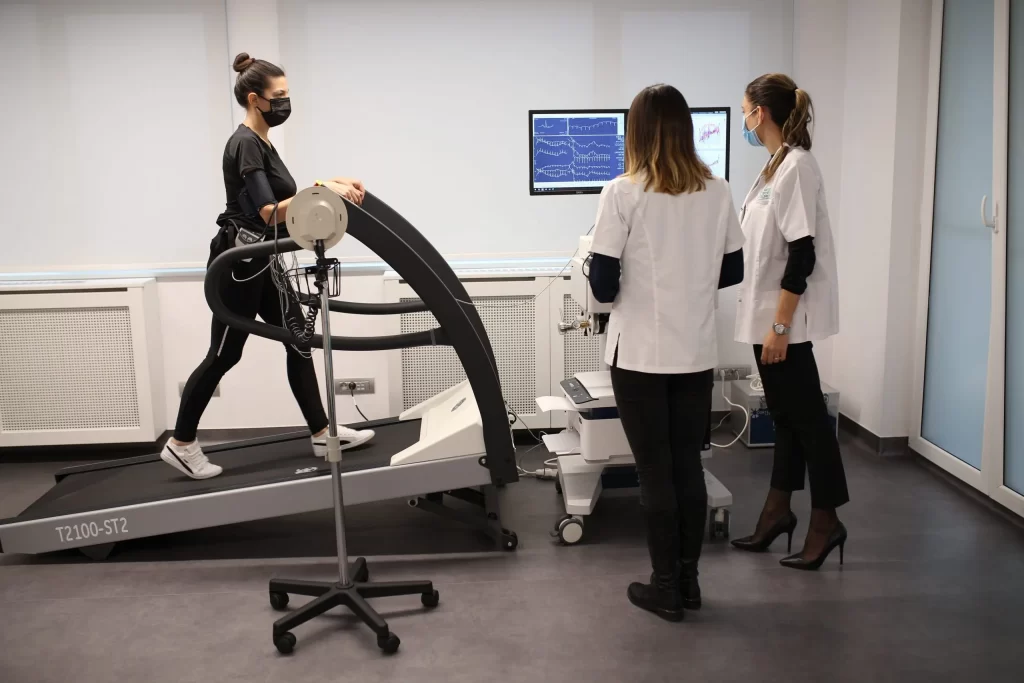
The exercise ECG test involves walking on a treadmill while the activity of the heart is monitored by electrocardiogram and blood pressure is measured using the BP Holter monitor. The exercise ECG test is indicated for:
- detecting myocardial ischaemia
- assessing exercise tolerance
- assessing symptoms that appear during physical exertion
- assessing the occurrence of arrhythmias during exercise
- assessment after revascularisation
- assessment in heart valve diseases
Cardiopulmonary exercise testing is an investigation that assesses the patient's individual performance and endurance capacity and provides essential information about the muscular, metabolic, pulmonary and cardiovascular systems. The cardiopulmonary exercise test is a non-invasive procedure carried out on a treadmill or exercise bike. The patient breathes through a mask while the heart rhythm, the dynamics of the respiratory gases during exercise and the relationship between them are monitored at the same time, along with heart rate and pulmonary ventilation.
Cardiopulmonary exercise testing is also recommended following infection with the SARS-CoV-2 virus, as it allows an assessment of how the body is functioning after contracting the virus.
All these investigations can be carried out at the Artro Sport clinic, performed by doctors with experience in their field and using the latest-generation equipment. Take care of your heart and turn to our clinic's specialists for help!
Newsletter subscription
Sign up for the Artro Sport newsletter free of charge!