Fractures are one of the most common problems an orthopaedic surgeon deals with. For each patient in this situation, however, the discomfort, fear and pain they experience are far from ordinary – especially if the type of fracture sustained, closed or open, of the hand, foot, collarbone or ribs, means that part of the body has to be immobilised.
What a bone fracture is. Causes
Fractures are injuries that can happen frequently. Just think of how orthopaedic emergency departments become overcrowded on winter days, when the streets turn into an ice rink. A fracture is a break in the continuity of the bone, which can occur for various reasons. If the skin remains intact we speak of a closed fracture, and if the bone has pierced the skin it is an open fracture. A fracture may be simple, when the bone is broken in a single place, or comminuted, when the bone is broken into more than three pieces.
There are many causes of fractures. They can occur while playing sport or after an incident at work or at home, in a simple moment of inattention. These are fractures of a healthy bone. There are also pathological fractures, however, caused by certain conditions that weaken the bone structure (osteoporosis, infections, tumours). Once we find ourselves in this situation, all we care about is healing as quickly as possible.
How long it takes for a broken bone to knit
We need to understand that bone is a complex, living tissue that constantly adapts to the loads placed upon it. A multitude of nutrients, hormones and other biochemical elements are essential for forming bone tissue and keeping it within normal parameters. Depending on the type of fracture and the bone involved, the healing and recovery process can vary between 6 and 16 weeks. A simple hairline crack is one thing; a bone fractured in several places, with displacement, is quite another. Age, general health and the blood supply at the fracture site are other factors that influence treatment and the healing process. Whatever the circumstances, however, there are ways of speeding up the healing of a fracture.
5 steps that can speed up the healing of a fracture

A varied diet
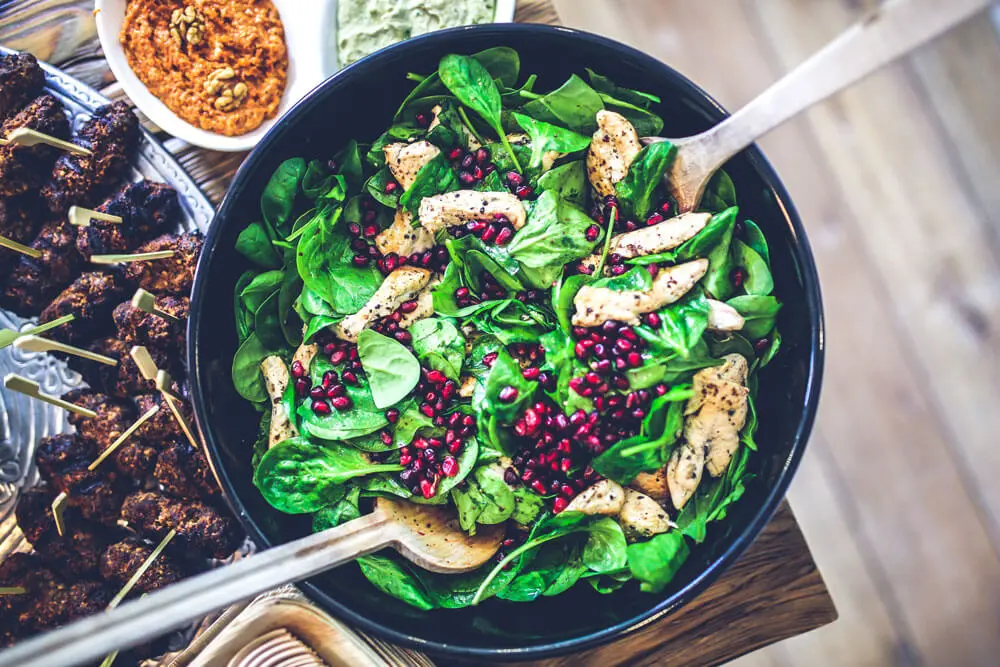
Strange as it may seem, a varied diet is essential to recovery after a fracture. This does not mean eating enormous quantities of food, but rather eating healthily and eating the right things. Proteins are very important for rebuilding bone tissue. So during convalescence it is a good idea to include beef, chicken or turkey, fish (salmon, sardines), low-fat cheese, beans, lentils, soya and nuts in your diet.
Foods with an anti-inflammatory effect
Another step towards faster healing after a fracture is to favour foods with an anti-inflammatory effect. These belong to the group of antioxidants, which have the property of reducing oxidative stress. Vitamin C – found in citrus fruit, kiwi, cherries, apricots, peaches, grapes, green leafy vegetables (spinach, sorrel, cabbage, broccoli), as well as carrots, tomatoes, and sweet or chilli peppers – has anti-inflammatory properties and, in addition, stimulates collagen synthesis, which is important for rebuilding bone tissue. Vitamin E (nuts and seeds, avocado, olive and sunflower oil, almonds, wheat germ oil) also acts as an antioxidant and helps speed up healing. The same category includes Omega 3 fatty acids (oily fish, seafood, flaxseed), lycopene (cooked tomatoes, watermelon, red cabbage, grapefruit) and alpha-lipoic acid (spinach, broccoli, brewer's yeast, potatoes and offal). The latter can be supplemented, on medical advice. Vitamin K (cabbage, cauliflower, chicken, dark green leafy vegetables) and vitamin B6 (brewer's yeast, whole grains, bananas, salmon, spinach, sunflower seeds) also support recovery after a fracture.
Mineral intake
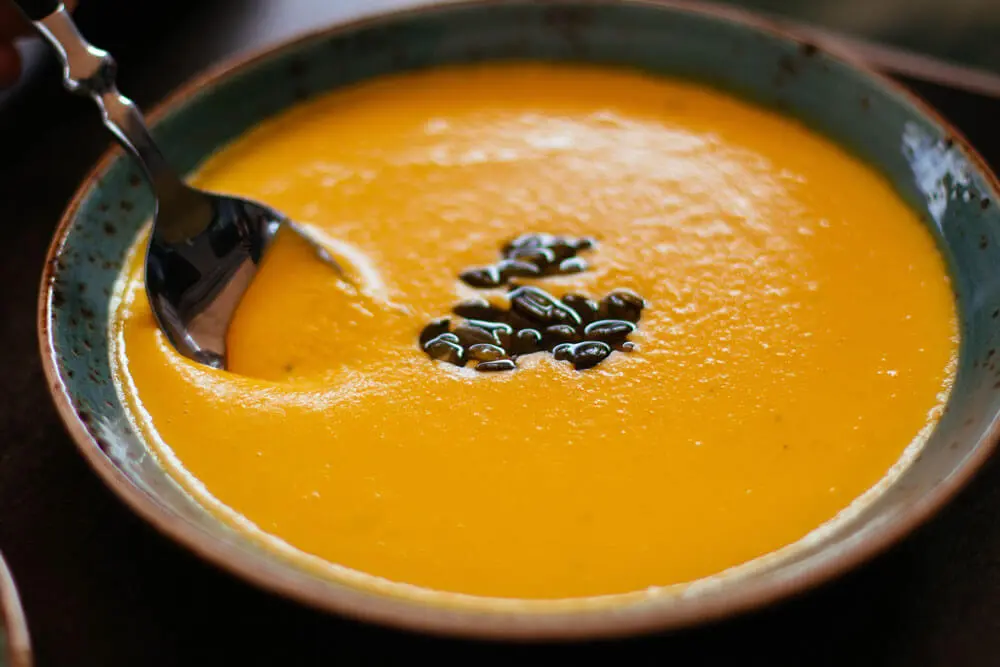
Bones are made up largely of minerals – calcium, phosphorus, magnesium, zinc, silicon, copper, etc. As a result, healing after a fracture requires the body to have a reserve of these minerals. Calcium and phosphorus are the main minerals contained in the skeletal system. Cheese, shellfish, sunflower and pumpkin seeds, pork, beef and lentils are rich in phosphorus, while calcium can be obtained from dairy products, sardines, sesame seeds, almonds and soya. Zinc (seeds, legumes and cereals) and copper (shellfish, liver, dark chocolate) are also needed in the healing process after a fracture. Silicon (horsetail), which plays an important role in collagen synthesis and enhances the effects of calcium and vitamin D3, shortens convalescence after a fracture.
Mobilisation
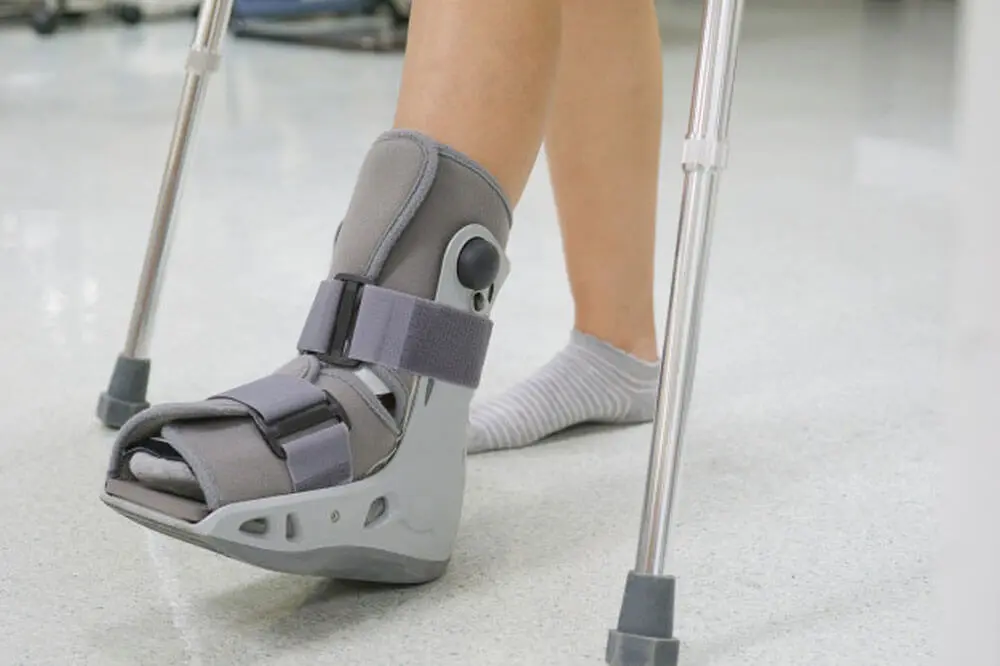
Early mobilisation after a fracture boosts the recovery process. This does not mean ignoring the orthopaedic surgeon's advice, but rather starting to move as soon as we are advised to do so. It is important that the joints above and below the fractured bone keep working well. For example, in the case of a forearm fracture, gentle movements of the fingers can be performed, as well as of the elbow and shoulder joints. And if the orthopaedic surgeon recommends physiotherapy and massage, it is best not to hesitate, because both will help us recover. The orthopaedic surgeon may also recommend using an ointment to relieve oedema and improve the nutrition of the affected tissues.

Stop smoking
We need to know that smoking delays healing after a fracture. Researchers at the American university Johns Hopkins have found that smokers are twice as likely to develop a bone infection as those who do not have this habit, and that cartilage formation is slower in smokers. Excessive alcohol, fizzy drinks, salt or diuretic teas are not recommended after a fracture either, because they reduce calcium absorption or lead to its loss through the urine.
So a wide range of factors play a part in healing after a fracture. After suffering a fracture, we will probably not be in the best frame of mind. But, as every cloud has a silver lining, we can also use this period to make a few changes to our diet and lifestyle, which will benefit not only our bones but our overall health.
Dr. Ion Bogdan Codorean
Senior consultant in orthopaedics and sports traumatology. Doctor of Medicine (PhD).
View profileOrthopaedics Clinic in Bucharest
Congenital or acquired conditions of the musculoskeletal system, from diagnosis through to recovery, are treated by the team of orthopaedic surgeons at Artro Sport Clinic.
Whether traumatic or non-traumatic in origin, our orthopaedic surgeons can offer the best medical solutions for orthopaedic problems.
Find out more
Newsletter subscription
Sign up for the Artro Sport newsletter free of charge!