A meniscus tear is a diagnosis that can sound frightening. We hear on television about footballers or other athletes who have been through such a situation, and the prospect of suffering and a long recovery can send shivers down our spine. However, a meniscus tear is one of the most common knee conditions.
In what follows, we will address the subject of meniscus tears in plain language, for a better understanding of the causes of this condition, its symptoms, risk factors and treatment.
What is the meniscus?
The largest joint in the human body, the knee is not protected by soft tissue, which makes it more prone to injury. The meniscus, a portion of the cartilage of the knee, has the role of stabilising the joint, absorbing shocks and protecting the knee. Thus, located between the femur and the tibia, the meniscus acts as a shock absorber and stabiliser for the knee. Made of fibrous cartilage, the meniscus also provides lubrication for the area.
The knee has two C-shaped menisci:
- a lateral meniscus on the outer part of the knee
- a medial meniscus on the inner part of the knee
Being an elastic tissue, the meniscus not only acts as a shock absorber between the upper and lower bony structures of the lower limbs, but also stabilises the joint, distributing weight evenly across the knee.
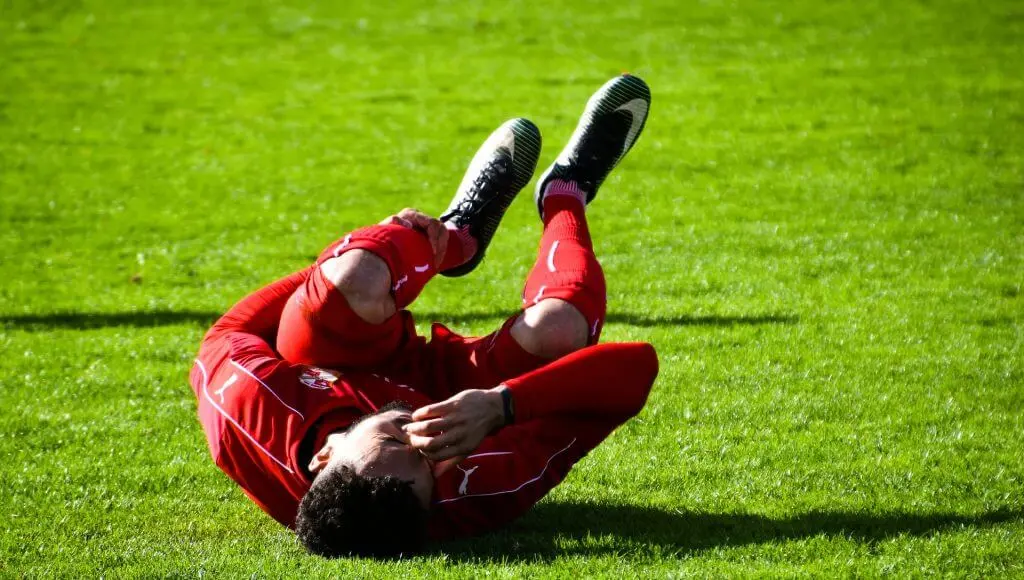
Sports that are very demanding on the knee joints – football, tennis, skiing, etc. – incorrect movements when getting up from a chair or from a squatting position, forced twisting to one side with the feet fixed on the ground, or age are some of the common causes of meniscus tears. The injury can be mild, moderate or severe, so treatment can also differ from case to case.
While sometimes rest, ice applied to the affected area and medication are enough, in other, more serious situations, the only solution is surgery.
What are the symptoms of a meniscus tear?
When a meniscus tear occurs, a popping sound is heard in the knee, but normal activities can be continued. Before long, however, we will have the sensation that the knee is "giving way", and pain and inflammation will appear. The knee will swell, may become stiff or may lock, and bending and straightening the leg will become difficult.
If the symptoms do not improve but, on the contrary, get worse after two to three days, an orthopaedic doctor must be consulted urgently. Meniscus tears are less common in children, for example, but are frequent in other groups of people, grouped according to activity or age.
The risk of a meniscus tear is particularly high in athletes who practise contact sports or sports involving frequent pivoting movements – in tennis or basketball, for example. As mentioned earlier, the meniscus wears with age, and it can be injured even by a simple incorrect lifting movement.
Investigations needed
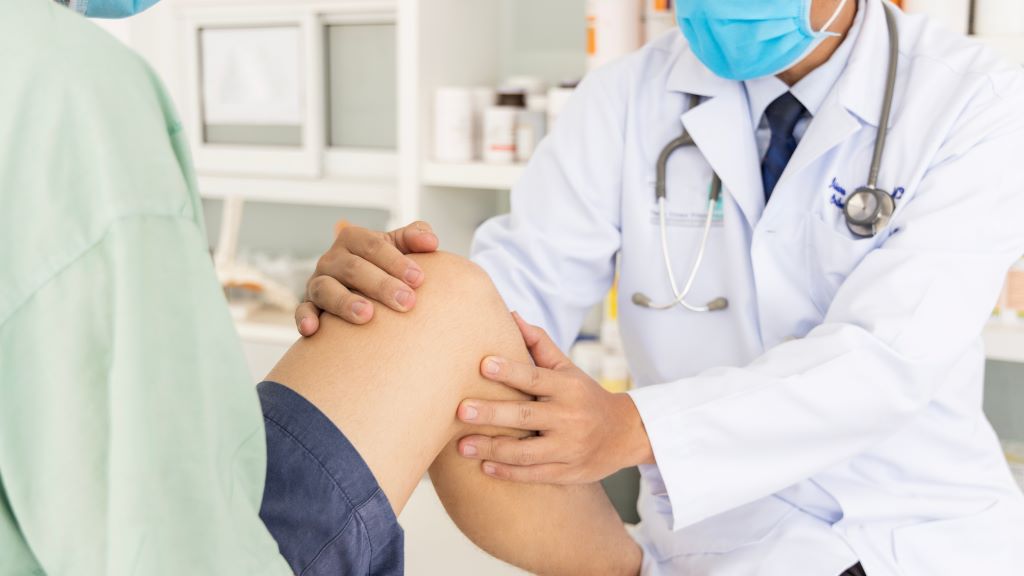
To diagnose a meniscus tear, the orthopaedic doctor will carry out several types of investigations and tests. First of all, they need to be told how the injury occurred, as well as about any previous knee conditions. The doctor will then examine the knees, the degree of restriction of movement, swelling, the stability of the joint and the way in which the injury has affected the knee.
If repeated locking of the knee, fluid on the knee, persistent wasting and weakness of the thigh accompanied by pain are observed, the result of the investigation will indicate a meniscus tear.
X-rays are a common type of investigation in this medical situation, but magnetic resonance imaging (MRI) or arthroscopy, two further investigations, can also be carried out for greater diagnostic precision.
Treatment and recovery
It is a wise decision, in the case of a meniscus tear, not to ignore the orthopaedic doctor's recommendations. A meniscus tear that is not treated properly can lead to knee instability, inability to use the leg normally and persistent pain. The risk of developing osteoarthritis is also higher in those who ignore the treatment recommended by their doctor for a meniscus tear.
Treatment of a meniscus tear can be surgical or non-surgical and is tailored according to the size and location of the tear and the age of the patient.
Non-surgical treatment of a meniscus tear
If the tear is in the outer rim of the meniscus, which has a rich blood supply, there is a good chance that healing will occur on its own, with a minimum of care, under specialist supervision. This consists of applying ice packs and keeping them on for 30 minutes, elevating the leg above the level of the rest of the body and taking anti-inflammatory medication.
Surgical treatment of a meniscus tear
If the meniscus tear is located deeper, in the avascular zone, and is more serious, surgical treatment, i.e. an operation, is necessary. This may consist of partial removal of the meniscus (arthroscopic meniscectomy). The operation is simple, with a quick recovery time, and the incision does not exceed 1 cm. A miniature camera is inserted, then the affected portion of the meniscus is repaired or removed. If the meniscus tear is at an early stage, the tear can also be repaired by suturing, but it should be borne in mind that stitching cannot be carried out in all cases.
Meniscectomy, partial or total, i.e. removal of a portion or even of the entire meniscus, is a surgical treatment sometimes required by the degree of damage to the meniscus. In the case of total removal, an artificial meniscus implant or a meniscus transplant may be used. The recovery period after surgical treatment of a meniscus tear can last from approximately 3 weeks to 3 months, depending on several determining factors.
Posture testing and gait analysis
Congenital or acquired conditions of the musculoskeletal system, from diagnosis through to rehabilitation, are treated by the team of orthopaedic doctors at Artro Sport Clinic.
Whether they are traumatic or non-traumatic in nature, our orthopaedic doctors can offer the best medical solutions for orthopaedic problems.
Find out moreNewsletter subscription
Sign up for the Artro Sport newsletter free of charge!