Cardiovascular diseases, and in particular ischaemic coronary heart disease and ischaemic stroke, remain the leading causes of premature death anywhere in the world. They affect both men and women: of all deaths occurring before the age of 75 in Europe, 42% are due to cardiovascular disease in women and 38% in men (according to the World Health Organization).
What are cardiovascular diseases?
Atherosclerotic cardiovascular diseases arise secondary to damage to the arterial vascular system of the whole body through the deposition of cholesterol in the artery walls, leading to narrowing of their lumen, up to the point of obstruction.
Chronic stress can trigger atrial fibrillation, premature ventricular contractions and other arrhythmias (abnormal heart rhythms), which are cardiovascular risk factors. Tiredness, infections, excessive consumption of coffee, alcohol and energy drinks, and certain disorders of the thyroid or the myocardium (the heart muscle) can cause arrhythmias, further cardiovascular risk factors.
Another worrying situation is the increasingly frequent incidence of heart problems even among young people, and also in children. The age at which myocardial infarction occurs has fallen considerably, and it is sometimes seen even in young people aged 17.
Given the seriousness of the situation, confirmed by national and international statistics, the emphasis is placed on determining cardiovascular risk and on prevention.
Who is cardiovascular prevention for and what does cardiovascular risk mean?
Cardiovascular conditions target both men and women. According to the World Health Organization, 42% of all deaths occurring before the age of 75 in European women are due to diseases of the cardiovascular system. For men in the same category, the figure rises to 38%. Even more serious statistics are found in Romania, where 57% of the deaths recorded nationally are caused by cardiovascular disease. We hold an unwanted 4th place in Europe for heart disease!
Cardiovascular prevention means initiating and adopting a "set of actions at public and individual level aimed at eradicating, eliminating or reducing the impact of cardiovascular diseases and their associated disabilities". Prevention of cardiovascular disease works: more than 50% of the observed reduction in mortality from coronary heart disease is linked to the modification of risk factors, and 40% to improvements in treatment.
Prevention of cardiovascular disease starts with screening (assessing) the cardiovascular risk factors which, when present, alone or in combination, increase the likelihood of acute myocardial infarction or stroke (ischaemic or haemorrhagic).
Cardiovascular prevention is aimed at all men over 40 and women over 50 or who have reached the menopause.
Risk factors for cardiovascular conditions
- Dyslipidaemia
- Impaired glucose tolerance
- High blood pressure
- Smoking
- Obesity
- Sedentary lifestyle
- Chronic kidney disease and diabetes mellitus are considered cardiovascular disease equivalents requiring additional attention.
Diagnosing cardiovascular disease
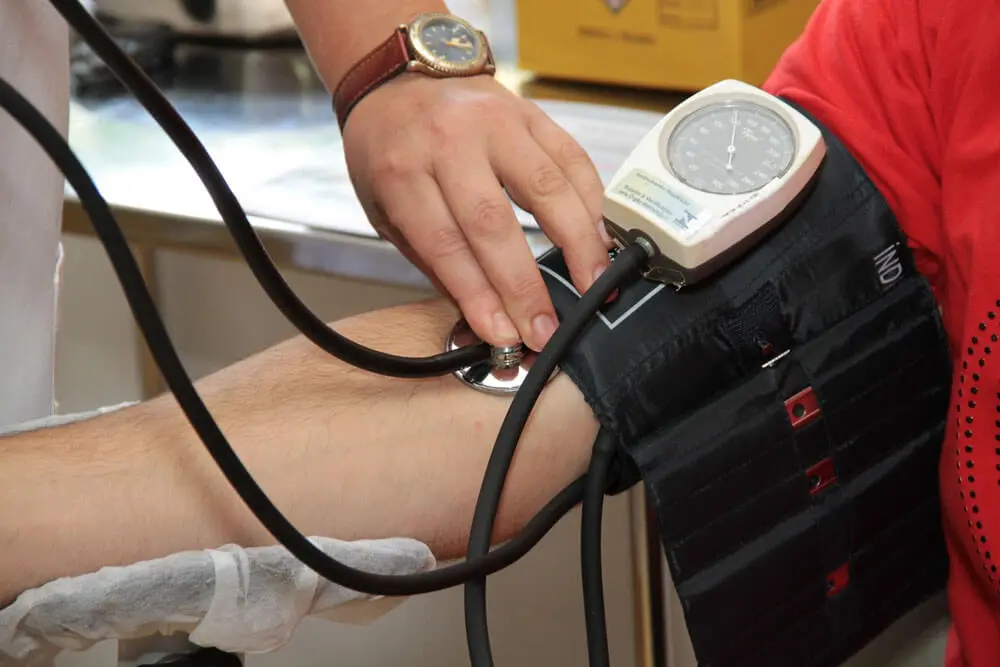
Prevention of cardiovascular disease includes assessing cardiovascular risk factors and their effects on the target organs (heart, kidneys, brain) by means of:
- Electrocardiogram
- Echocardiography
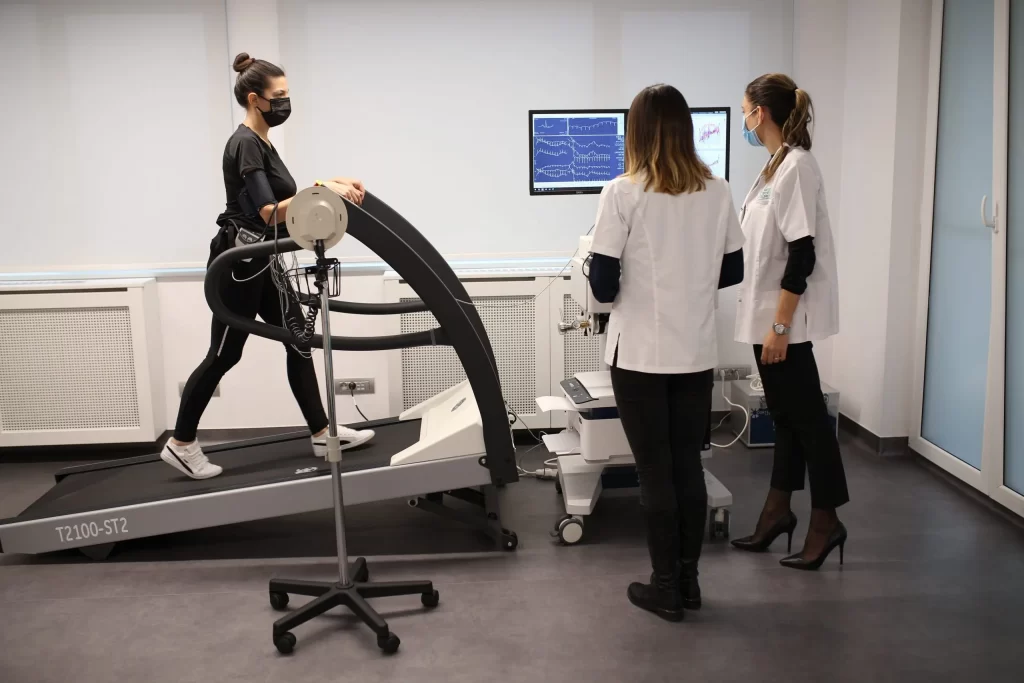
- Exercise ECG test in the presence of signs or symptoms of angina pectoris or heart failure
- Blood tests to detect dyslipidaemia, diabetes mellitus and kidney disease.
Symptoms of cardiovascular disease
One of the main symptoms of cardiovascular disease is arrhythmia, that is, the way the heart beats. In adults, the heart beats between 60 and 100 times per minute, while in children the number of beats per minute is 120-130. Arrhythmias feel different: when the heart beats rapidly it is tachycardia, and when a beat comes earlier than expected, generally very strong and felt at the base of the neck, followed by a pause, these are extrasystoles. When the rhythm is completely chaotic, irregular and very fast, it is fibrillation.
Heart failure is the inability of the heart to ensure adequate perfusion of the organs, which manifests itself through breathlessness on exertion and oedema. It can affect the heart muscle, a valve or the blood vessels of the heart, leading to chronic heart conditions.
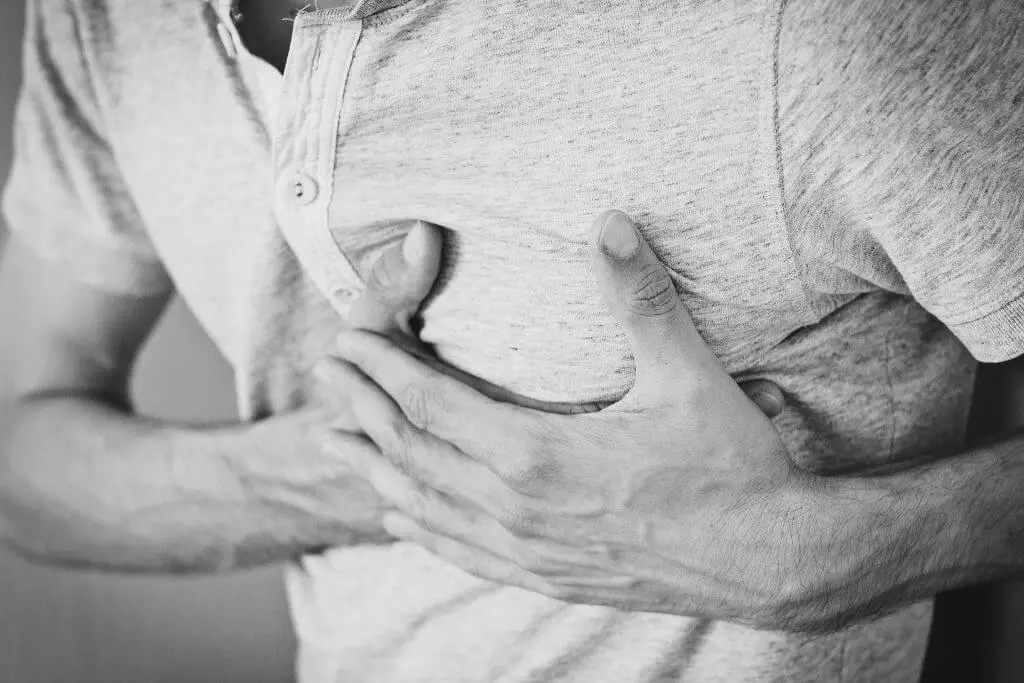
Ischaemic heart disease means narrowing of the coronary arteries, the vessels that supply the heart muscle. It can be accompanied by chest pain, excessive tiredness and breathlessness.
How do we prevent cardiovascular disease?
Prevention of cardiovascular disease includes assessing cardiovascular risk factors and their effects on the target organs (heart, kidneys, brain) by means of:
- Electrocardiogram;
- Echocardiography;
- Exercise ECG test in the presence of signs or symptoms of angina pectoris or heart failure;
- Blood tests in the presence of signs or symptoms of angina pectoris or heart failure;
Giving up smoking is the most important step that those who have this habit should take to make sure they are not needlessly exposing themselves to heart conditions. Heart disease is strongly and negatively influenced by this harmful habit, a permanent risk for smokers.
Having routine annual blood tests is an essential step in preventing heart disease. A cardiology consultation is also very important for patients who have: diabetes, obesity, or a family history of ischaemic heart disease. Let us bear in mind that heart conditions are compounded by the patient's history.
Adopting a healthy lifestyle that includes exercise, a balanced diet and a reduction in the consumption of sugar, fats, salt and alcohol helps keep the body in good general condition and considerably reduces the risk of cardiovascular disease.

Newsletter subscription
Subscribe free of charge to the Artro Sport newsletter!