Cervical spondylosis is a common condition that can develop as we grow older. It involves degeneration of the spine for a variety of reasons. Although it can be quite painful, cervical spondylosis is not, however, a serious disease.
- Causes
- Risk factors
- Symptoms of cervical spondylosis
- Diagnosing cervical spondylosis
- Complications of cervical spondylosis
- Treatment of cervical spondylosis
- Natural remedies
- Lifestyle and prevention
Cervical spondylosis, also called spinal osteoarthritis, affects the joints and discs of the cervical spine, which is located in the neck.
Most often, cervical spondylosis develops as a result of wear and tear of the cartilage and bones, but it can also arise from other causes.
As we grow older, the discs of the spine gradually break down, lose fluid and become stiffer. Cervical spondylosis usually occurs in middle-aged and elderly people.
As a result of the degeneration of the discs and other cartilage, spurs or abnormal growths, called osteophytes, can form on the bones of the neck. These abnormal growths can cause narrowing inside the spinal canal or in the openings through which the spinal nerves exit, a condition related to cervical spondylosis called cervical spinal stenosis.
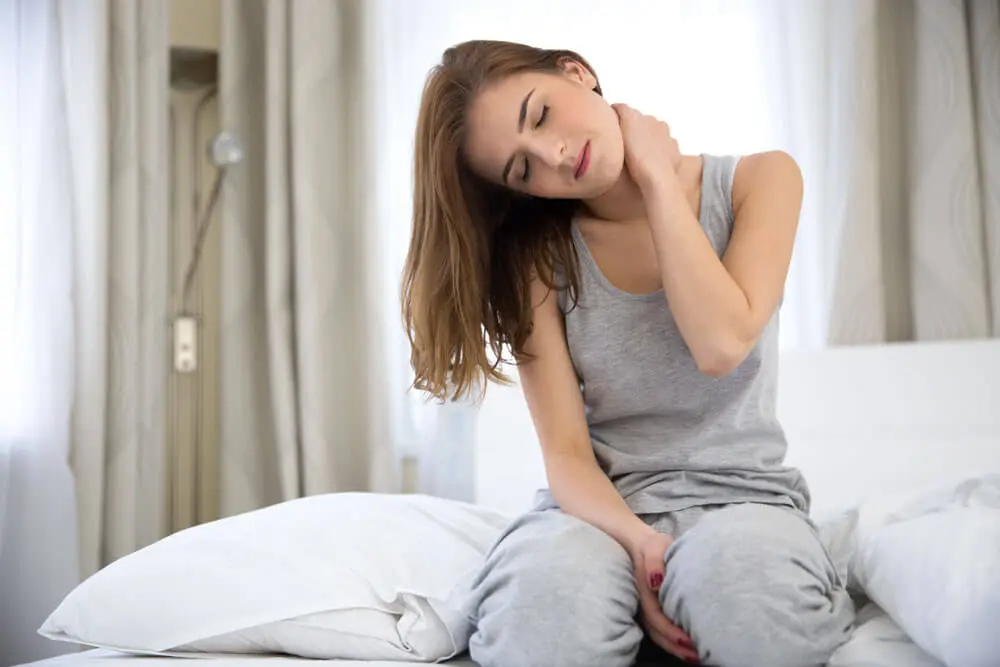
Cervical spondylosis most often causes neck pain and stiffness. Although this condition is rarely progressive, corrective surgery can sometimes help in severe cases.
Causes
The bones and cartilage of the cervical spine are more prone to damage from various causes. These include:
Bone spurs – these are bony outgrowths that appear when the body develops extra bone in an attempt to make the spine stronger.
However, this extra bone can put pressure on delicate areas of the spine, such as the spinal cord and nerves, which is why pain occurs.
Dehydrated spinal discs – the bones of the spine have discs between them, which are like thick cushions that absorb the shock of lifting, twisting and other activities. The gel-like material inside these discs can dry out over time. This causes the bones (the vertebrae of the spine) to rub against each other more, which can be painful.
This process can begin as early as the age of 30.
Disc herniation – the spinal discs can develop cracks, which allow the internal cushioning material to leak out. This can press on the spinal cord and nerves, leading to symptoms such as numbness in the arm and pain that radiates down one of the arms.
Injury – trauma to the neck (from a fall or a car accident, for example) can accelerate the ageing process.
Ligament stiffness – the tough cords that connect the bones of the spine can become even stiffer over time, which affects the movement of the neck.
Overuse – some activities or hobbies involve repetitive movements or heavy exertion that can put pressure on the spine, resulting in premature wear.
Risk factors
Ageing is the major factor that leads to the development of cervical osteoarthritis (cervical spondylosis). In most people over the age of 50, the discs between the vertebrae become less spongy. The bones and ligaments thicken, pressing on the spinal canal.
Another factor may be a previous neck injury.
People with certain occupations or who carry out specific activities – such as gymnasts, other athletes or construction workers – may put more stress on the neck.
Poor posture may also play a role in the development of the spinal changes that lead to cervical spondylosis.
Other risk factors for the development of cervical spondylosis are: smoking, a sedentary lifestyle and genetic obesity.
Symptoms of cervical spondylosis
Most people have no significant symptoms. If symptoms do occur, they can range from very mild to severe and may develop gradually or suddenly.
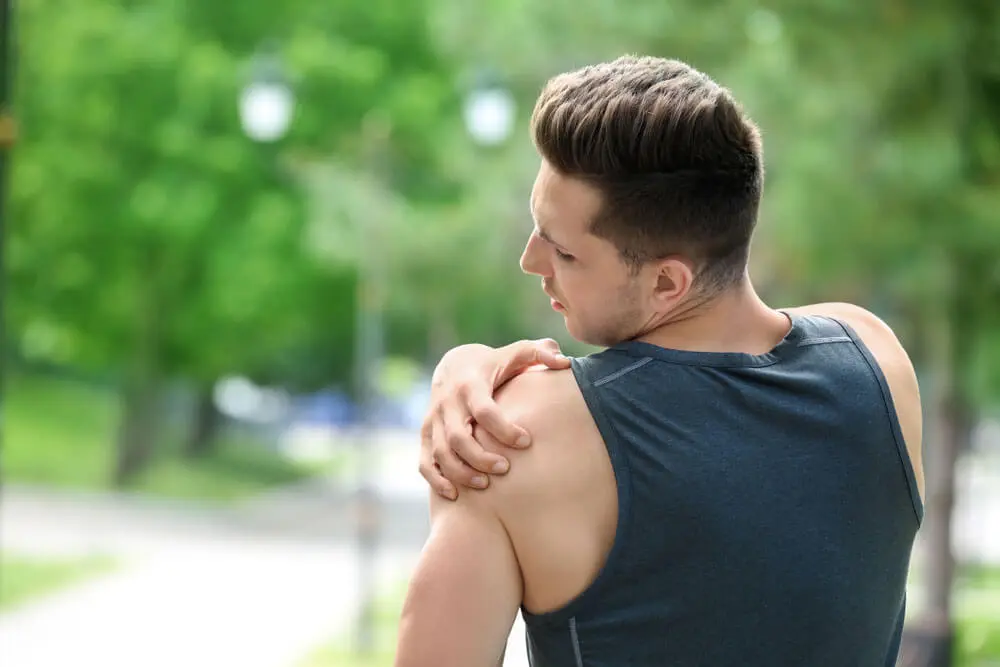
A common symptom is pain around the shoulder blades. Sometimes this can extend down the arm to the fingers. The pain may become more intense when the person stands, sits in various awkward positions, sneezes, coughs or tilts the neck backwards.
Another common symptom is muscle weakness, which can make it difficult to lift the arms or carry certain objects.
Other common signs are: a stiff neck that gets worse, pain at the back of the head, abnormal reflexes, muscle spasms, tingling and numbness in the shoulders and hands, and sometimes in the legs as well.
Symptoms that occur less often include loss of balance, difficulty swallowing, and loss of bladder or bowel control (incontinence). These symptoms require prompt medical attention.
Diagnosing cervical spondylosis
Making a diagnosis involves ruling out other potential conditions, such as fibromyalgia.
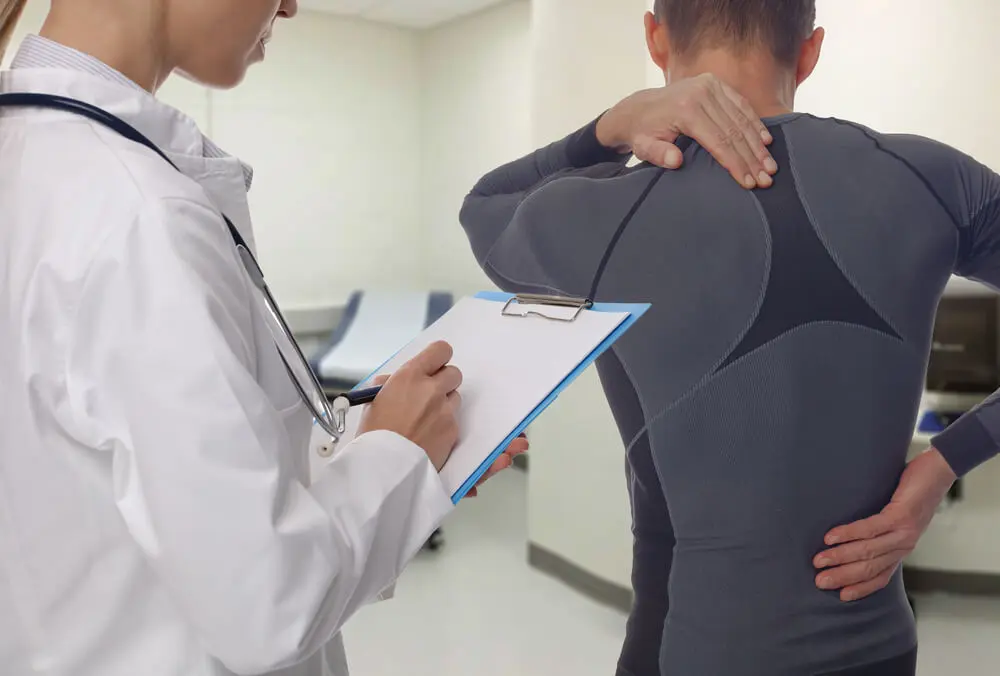
The doctor will ask for information about the patient's medical history. This will be followed by a physical examination of the body, with a focus on the neck, back and shoulders.
The doctor may also test the reflexes and strength of the hands and arms, and check whether the sense of touch has decreased in that area.
Other tests that may be carried out include imaging examinations such as X-rays, computed tomography (CT) and magnetic resonance imaging (MRI). MRI scans use large magnets, radio waves and a computer to produce the best images of the body.
An electromyogram (EMG) may be recommended to check whether the nerves are functioning normally.
A visit to a neurologist or neurosurgeon may also be indicated for further tests.

Complications of cervical spondylosis
The bone spurs that develop in the spine can have a damaging effect on the spinal cord or nerve roots. This complication is called "degenerative cervicobrachialgia" and can cause symptoms such as tingling, paraesthesia, numbness, weakened muscle strength and, in serious cases, even disability.
Cervical spondylosis can often lead to weight gain due to inactivity, loss of bone density and muscle strength, permanent nerve damage, chronic back pain, and nerve compression, which can cause bowel or bladder problems.
Treatment of cervical spondylosis
Treatments for cervical spondylosis focus on providing pain relief and reducing the risk of permanent damage, so that life can be as normal as possible.
Non-surgical methods are often very effective.
A physiotherapist is usually helpful for people suffering from cervical spondylosis. Physiotherapy helps to stretch the muscles of the neck and shoulders, which will ultimately lead to pain relief.
Therapeutic massage is often indicated before physiotherapy sessions, to soothe and relax the area, relieve painful muscle contractures, stimulate blood circulation and tone the muscles.
The doctor may recommend medication such as: anti-inflammatories, narcotics, antiepileptics, steroid injections or topically applied gels.
If the patient's condition is severe and does not respond to other forms of treatment, surgery may be needed. This may involve removing bone spurs, parts of the neck bones or herniated discs, to give the spinal cord and nerves more room.
Surgery is rarely necessary for cervical spondylosis. However, the doctor may recommend this method if the pain is severe and if the patient's ability to move their arms is affected.
Natural remedies
There are a few natural remedies that may help those suffering from cervical spondylosis. These include:
- Ginger tea;
- Devil's claw supplements;
- White willow bark extract supplements.
Although these may help reduce pain and inflammation, they should only be taken with your doctor's agreement. Even a herbal tea can have unwanted effects if it interacts with another commonly used medicine prescribed by your doctor.
Lifestyle and prevention
Mild cervical spondylosis may respond to:
- Regular exercise – staying active helps you recover more quickly, even if some exercises need to be temporarily modified because of neck pain;
- People who walk every day are less likely to experience neck pain and, in general, back pain;
- Heat or ice – applying heat or ice to the neck can ease neck pain;
- Cervical collar – this allows the neck muscles to rest, but it should only be worn for short periods of time because, in the long run, it can weaken the neck muscles;
- Weight control;
- Eating healthy foods;
- Taking breaks throughout the day;
- Rest;
- Avoiding smoking and excessive alcohol consumption.
So, cervical spondylosis is a very common condition, especially in people over 50, but it will not cause problems if it is kept under control with the right treatment.
Photo source: Shutterstock

Orthopaedics Clinic Bucharest
Congenital or acquired conditions of the musculoskeletal system, from diagnosis through to rehabilitation, are treated by the team of orthopaedic doctors at Artro Sport Clinic.
Whether they are traumatic or non-traumatic in nature, our orthopaedic doctors can offer the best medical solutions for orthopaedic problems.
Find out moreNewsletter subscription
Sign up for the Artro Sport newsletter free of charge!