Scoliosis is one of those conditions that we rarely notice before it becomes a real problem. It usually begins in childhood, but if it is not treated correctly and in time, it can lead to complications, pain, tiredness and breathing difficulties. That is why it is good to be informed, especially if we know that we suffer from this condition or that our children are prone to it. We discuss in detail:
What is scoliosis
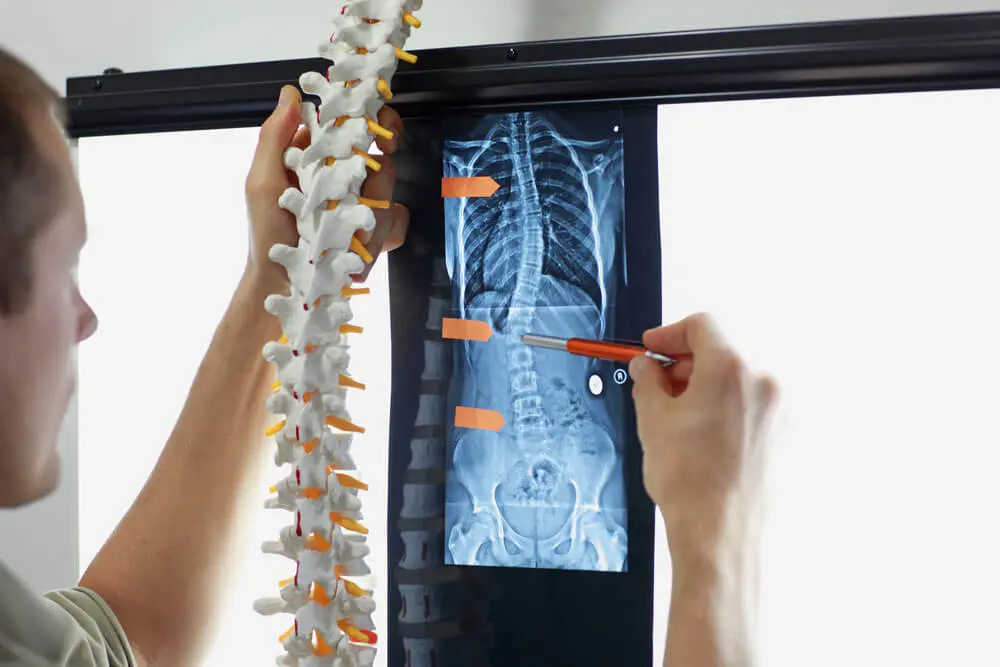
As we know, the spine is made up of 34 vertebrae of different sizes and shapes, joined together by cartilage – a type of elastic tissue that gives the spine flexibility and the ability to stretch and bend in order to keep the body balanced. Normally, these vertebrae form a straight line. This is not the case in people with scoliosis, whose spines have curves (to the left, to the right or to both sides), especially in the thoracic and lumbar regions, giving them a shape resembling the letter S (with two curves) or C (with a single curve), as well as a rotation of the vertebrae.
In short, specialists define this condition as a deformity, a curvature of the spine of at least 10 degrees.
How scoliosis manifests in children
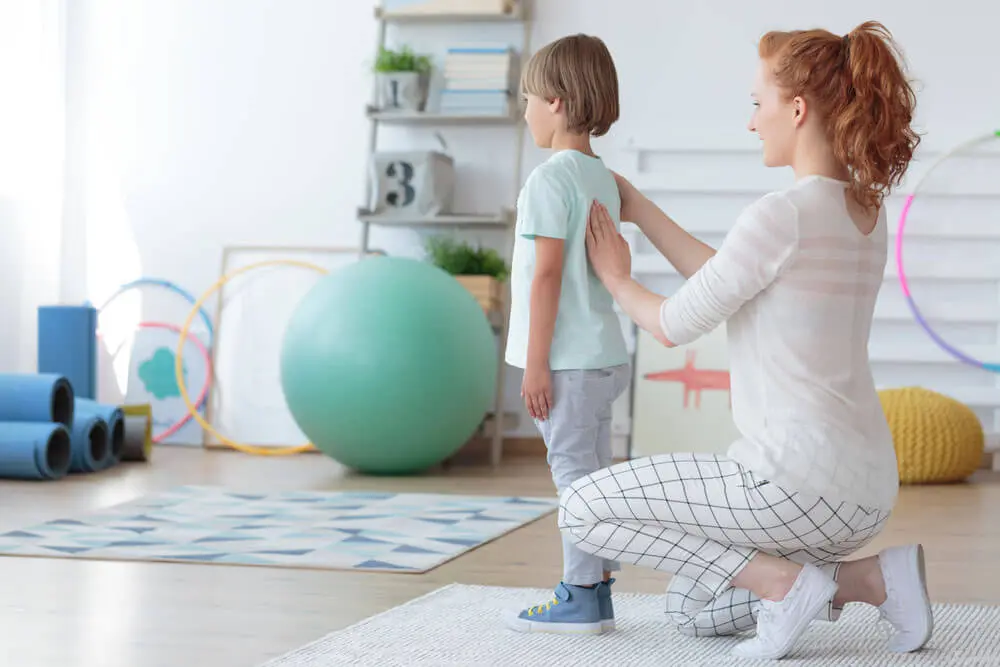
Statistically speaking, this condition is observed in children from the age of eight. The good news is that it becomes much easier to treat when it is discovered early, because as we get older the spine begins to stiffen and treatment measures become much more difficult to apply. The less pleasant part, according to Dr. Ion Bogdan Codorean, is that "the earlier scoliosis appears, the greater the potential for it to worsen. That is why prevention must start in childhood. There are recommended treatments, from braces to therapeutic exercise, that children must follow in order to prevent progression to severe scoliosis".
The most common signs that parents can notice in children are:
- a noticeable difference in the height of the shoulders, shoulder blades or hips;
- the vertebrae are more prominent on one side of the body;
- one shoulder blade sticks out more than the other;
- the arms appear to be of different lengths when the child stands straight;
- the onset of breathing problems and back pain.
If a parent notices such problems, the child needs a detailed medical assessment in order to establish the diagnosis. It is important to consult a physiotherapist who can provide therapy sessions tailored to the child's needs.
What types of scoliosis exist
There are several types of scoliosis, classified according to two criteria:
1. By the age of onset:
- infantile scoliosis – can appear between the ages of 0 and 3 and usually manifests as a thoracic curve to the left;
- juvenile scoliosis – begins when the child is between 4 and 10 years old and usually manifests as a thoracic curve to the right;
- adolescent scoliosis – appears around the age of 10, is more common in girls and has a benign course.
2. By aetiology (the cause of onset):
- non-structural scoliosis – is reducible and involves curves of the spine without rotation;
- transient scoliosis – can be sciatic, hysterical or inflammatory;
- structural scoliosis – can be idiopathic (the exact cause is unknown or several factors have led to the onset of the condition; approximately 90% of all cases of scoliosis are idiopathic), congenital (due to a defect of the spine present at birth), neuromuscular in origin (develops secondary to a type of neurological or muscular disease, such as muscular dystrophy or cerebral palsy), due to Recklinghausen neurofibromatosis or to mesenchymal diseases.
What causes scoliosis
Specialists say that in 90% of cases, the factors that cause scoliosis are not known exactly (as in the case of idiopathic scoliosis) or there is a series of possible factors that have contributed to the onset of the condition, these being:
- genetic (the condition was inherited from one of the parents);
- congenital (the bones of the spine developed abnormally during the development of the foetus);
- hormonal.
The remaining cases may be influenced by the following conditions:
- poor posture;
- muscular dystrophies, as a result of neuromuscular conditions;
- Marfan syndrome;
- neurofibromatosis;
- cerebral palsy.
What are the symptoms
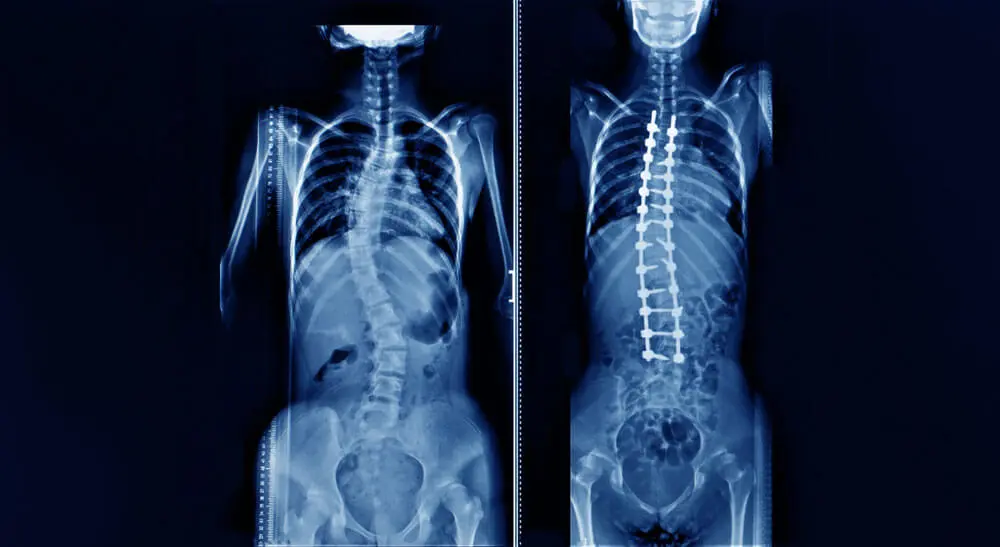
Even though we may be born with a few curves in the spine, which is never perfectly straight, in scoliosis the deformities are visible:
- asymmetry of the shoulders and pelvis (one shoulder lower than the other);
- curvature of the spine in the lateral plane, sometimes in the shape of an S or a C;
- poor posture.
A good test for spotting the signs of the condition is to bend forward with the knees straight and check whether there is any asymmetry of the chest, or to stand with the back straight against a wall with the shoulders slightly raised. In addition, in an advanced stage, the condition can produce the following symptoms: muscle weakness, tiredness, breathing difficulties and other heart problems.
How it is diagnosed
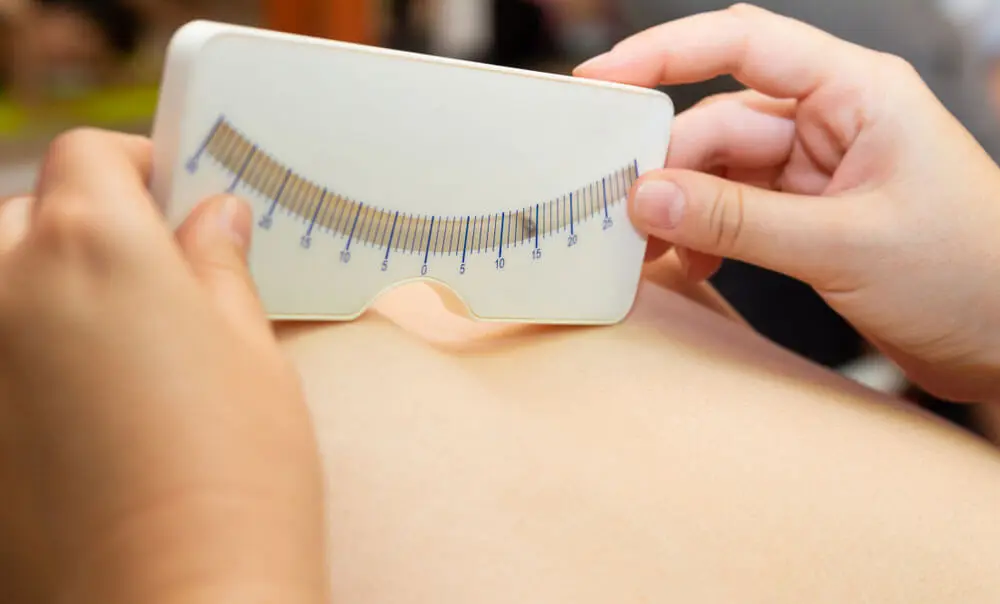
Children should be examined from birth in order to detect congenital forms, and the paediatrician should then look out for possible changes at routine check-ups and school health examinations. If the child, or the adult, shows the specific symptoms, a clinical examination is recommended, which includes the following steps:
- a specialist test that rules out other possible causes of the deformity (such as Scheuermann's disease, juvenile disc disorder or ankylosing spondylitis);
- postural assessment of the patient standing, walking and bending forward, to confirm the abnormal lateral curve and the rotation of the spine;
- assessment of bone maturity using the Risser method, the most widely used test for determining the stages of skeletal maturity;
- a full neurological examination.
A chest X-ray may also be recommended, which allows the doctor to assess the severity of the condition and then decide on the most suitable treatment for the patient.
What treatments are recommended
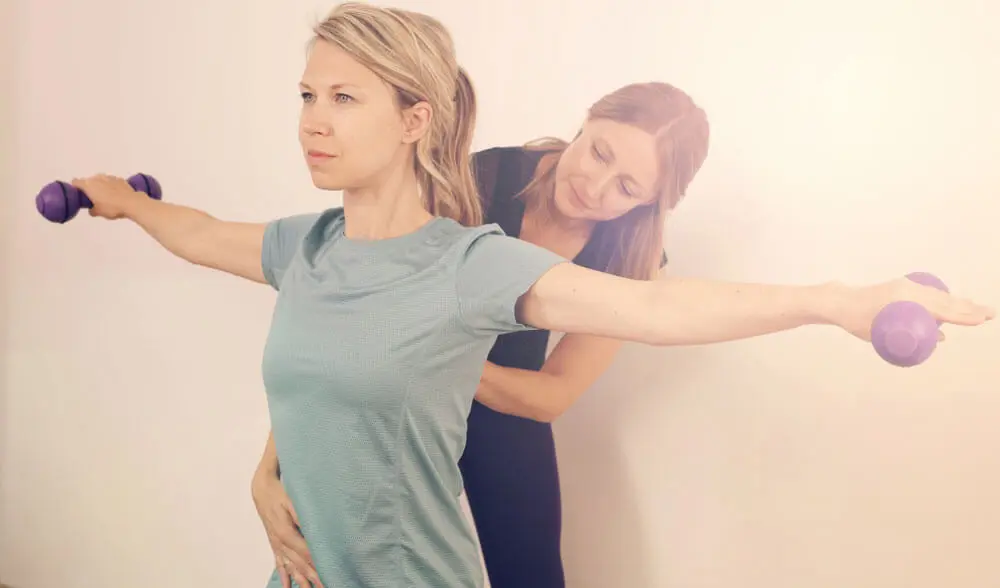
Fortunately, in the case of scoliosis there is a standardised treatment protocol, applied according to the magnitude of the scoliotic curve. Thus:
- for a curve of 0 to 30 degrees, physiotherapy and therapeutic exercise are used;
- for a curve of between 30 and 50 degrees, physiotherapy and orthotic treatment (a brace) are used;
- for a curve of more than 50 degrees, surgery is recommended.
What physiotherapy involves
This is a treatment method aimed at halting the progression of the condition, correcting posture, relieving pain, preventing degenerative processes in the various segments (such as the joints, muscles and intervertebral areas) and improving both physical and mental health. Physiotherapy includes a whole range of effective treatment methods, among them: various massage techniques, stretching exercises, techniques for correct postural education, and dynamic as well as static exercises both to increase muscle tone and to stop the condition from progressing.
What orthotic treatment involves
Bracing, or orthotic treatment, is an effective way of stopping scoliosis from getting worse. As a rule, the brace must be worn for around 22 hours out of 24, with the two free hours reserved for personal hygiene and physiotherapy. Correct use can lead to a substantial improvement of 10-20 degrees.
What surgery involves
In severe cases, where the problem cannot be corrected orthopaedically, surgery is recommended. Its aim is to halt the progression of the scoliosis and restore balance, to correct and stop the deformity, and to give the spine an appearance closer to normal. The best-known procedure is spinal fusion (arthrodesis), in which metal implants, rods, screws or bone grafts are used to correct the position of the vertebrae and create the conditions for the vertebrae to fuse in the corrected position.
What treatments are recommended
Scoliosis is one of those conditions that we rarely notice before it becomes a real problem. That is precisely why we cannot say that there is a specific way of preventing it. Of course, for children it is recommended:
- to take part in physical activity, such as swimming or dancesport;
- to correct their posture both at their desk at school and when walking;
- to carry their school bag correctly; bags should be carried alternately on each shoulder;
- to sleep on all sides, not just in one position.
However, these measures do not prevent the onset of the condition, only its worsening.
This condition must therefore be treated responsibly and seriously, as early as possible, so that it can be corrected quickly. The good news is that we have many methods and techniques at our disposal, as well as very well-trained physiotherapists who can help us restore the health of the spine.
Paediatric Clinic Bucharest
Prevention, diagnosis and treatment of acute conditions and monitoring of chronic ones, from infants to children up to 18 years of age.
Find out more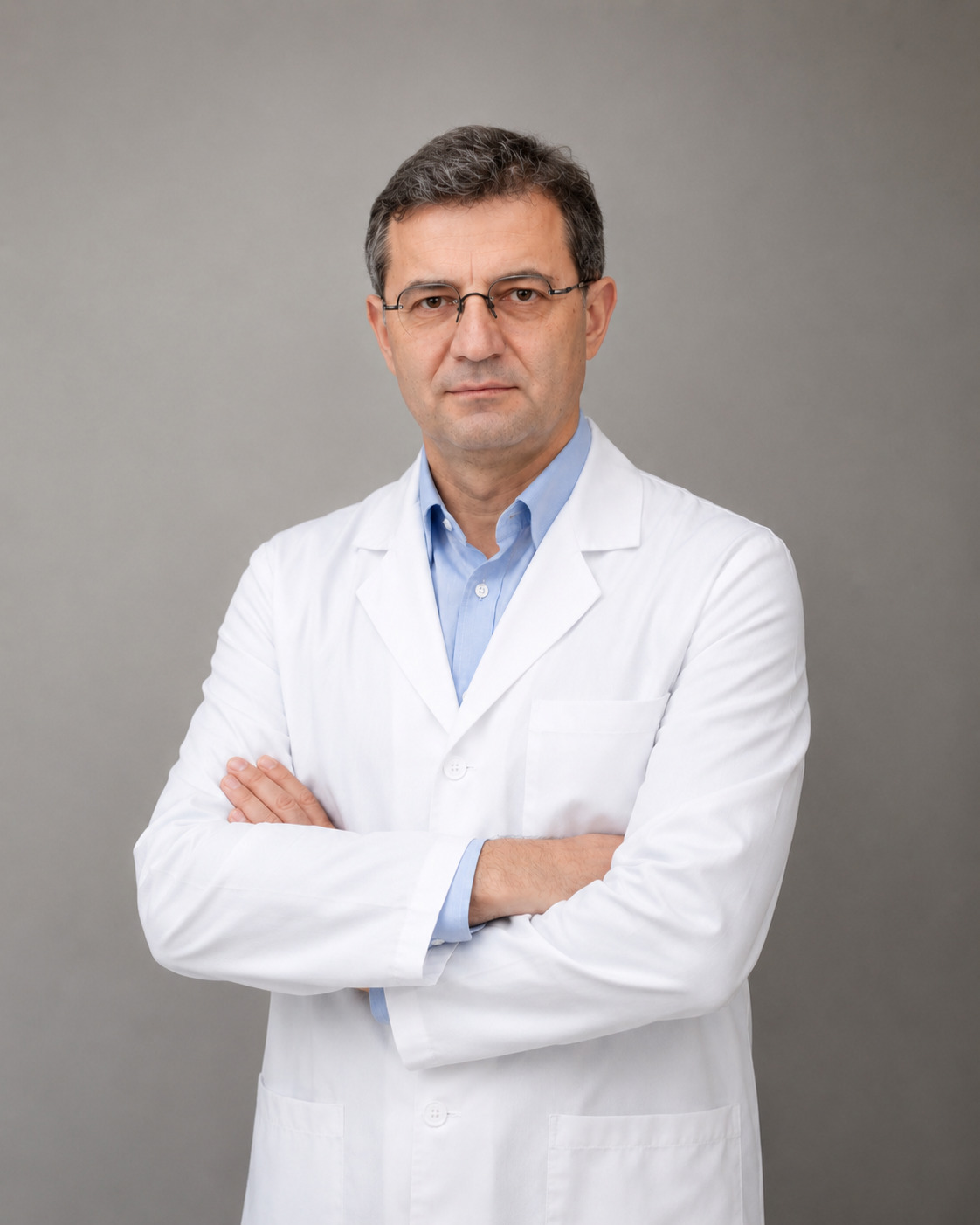
Dr. Ion Bogdan Codorean
Senior consultant in orthopaedics and sports traumatology. Doctor of Medicine (PhD).
View profileNewsletter subscription
Subscribe free of charge to the Artro Sport newsletter!