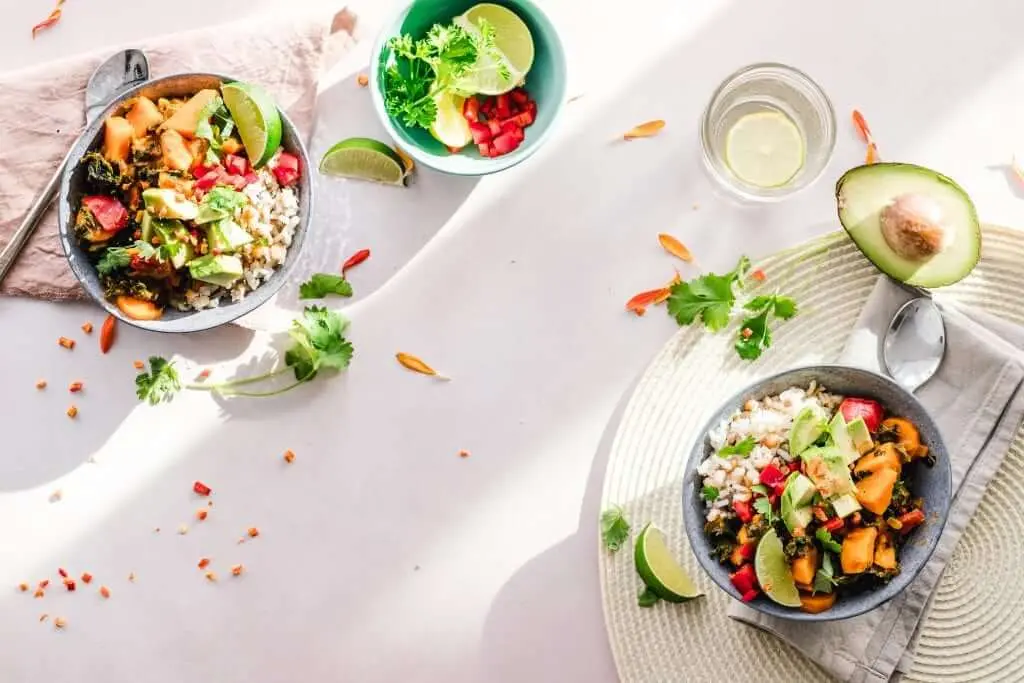

We often do not realise how important bone health is until something goes wrong. An unhealthy, sedentary lifestyle, above-average alcohol consumption, smoking and a genetic predisposition can all lead us towards osteoporosis. The "silent disease", as osteoporosis is known, gives no warning that it is about to set in. Without preventive measures, we discover it when we notice a loss of height, when the cervico-thoracic spine becomes deformed or when we suffer frequent fractures.
The disease, which affects around 30 million Europeans, is characterised by reduced bone mineral density. As its very name suggests, the bone becomes porous, less resilient and prone to fractures. More seriously, once osteoporosis has set in, bone density cannot be restored. However, with a balanced lifestyle and early medical intervention, the disease can be prevented and its progression halted. A diet that helps to strengthen the bones and maintain healthy joints is therefore something anyone can do. Of course, tablets and various dietary supplements can also be taken, but it is recommended that these measures are not started without first consulting a doctor.
Vitamins to strengthen the bones
Two types of nutrient play a very important role in building strong bones: calcium and vitamin D. Calcium supports the bone structure, while vitamin D helps the body absorb calcium. These nutrients are important at every stage of life, but especially as we get older. A diet that takes these things into account helps us to prevent fractures and ease the symptoms of the disease.
Vitamin K is essential for the proper functioning of calcium metabolism. It is found in green leafy vegetables such as spinach or broccoli, in fermented cheese and in yoghurt.
Vitamin C stimulates the production of the cells that form bone tissue and is absolutely necessary for strengthening the skeletal system. The antioxidant effect of vitamin C heals bones that are already damaged and helps regeneration. Citrus fruits, sea buckthorn, pomegranate, parsley, green leafy vegetables and carrots are among the champion ingredients rich in vitamin C.
Besides calcium, bones also contain zinc and magnesium. Together with vitamin D, magnesium stimulates calcium absorption, while zinc helps to form bone marrow cells and prevents a decline in bone density.

10 foods for healthy bones
Yoghurt
Most people get their daily dose of vitamin D through exposure to sunlight. However, certain foods, such as yoghurt, are another reliable way of meeting your vitamin D requirements. Naturally, you should read the product label carefully and make sure it contains milk and live cultures, rather than added proteins or fats.
Milk
We all know that milk helps children to have healthy bones. But this is true at any age. A glass of good-quality milk provides 30% of the daily calcium requirement. The good news is that some dairy producers fortify milk with vitamin D, for a double benefit. And if you cannot drink two or three glasses of milk a day, there is always the option of adding it to a smoothie.
Cheese
Cheese is another food rich in calcium, but this does not mean we should eat it to excess. If we end up carrying a few extra kilograms, this will do our ligaments no favours at all. A few pieces of Cheddar cheese, for example, contain more than 30% of the daily calcium requirement. So it is enough to eat it in moderation. As for blue cheeses, besides calcium these also contain a lot of fat and salt, so it is wise to be cautious about how much we eat.
Sardines
Sardines, the little fish we so often find tinned on supermarket shelves, contain a surprisingly large amount of calcium and vitamin D. One tin of sardines contains as much calcium as two glasses of milk. What is more, they are delicious eaten on their own or in salads. People who are overweight should choose sardines in their own juice.
Eggs
Eggs are a food that supports bone health. They contain, in varying proportions, vitamin D, which helps fractures heal quickly and prevents osteoporosis, calcium and vitamin K, which is also extremely important for the health of the skeletal system.
Salmon
We know that, thanks to its Omega-3 fatty acid content, salmon is a heart-healthy food. But 100 grams of salmon contains more than 100% of the daily requirement of vitamin D, which is essential for the proper functioning of the musculoskeletal system. So let's eat salmon for the health of our bones as well as our hearts.
Green leafy vegetables
What can we do if we do not like dairy products or are vegetarian? The answer is simple: eat green leafy vegetables, which are rich in calcium, vitamin K, magnesium and silicon, all important nutrients for strengthening the skeletal system. One serving of cooked spinach contains 25% of the daily calcium requirement, along with fibre, iron and vitamin A. Sorrel, leeks, lettuce, broccoli and asparagus have the same nutritional properties.
Cereals
Cereals also bring multiple benefits to the normal functioning of the musculoskeletal system. For healthy bones, oat flakes, wheat, wholegrain oats and wholegrain rye should not be missing from your diet. They can be eaten at breakfast or as snacks throughout the day.
Tuna
Whether fresh or tinned, tuna is a good source of vitamin D for strengthening the bones. It also contains Omega-3 fatty acids, B vitamins, vitamin A, as well as calcium, selenium and phosphorus. If you cannot find it fresh, it is best to choose tinned tuna in its own juice.
Tofu
Tofu contains 20% of the recommended daily dose of calcium. It can be an excellent choice for vegetarians or people who are fasting. It can be eaten on its own or in salads. And if we add white or black sesame seeds, hemp seeds or chia seeds, the calcium requirement for the day is covered. Just 25 grams of sesame seeds contain 1000 milligrams of calcium.
Photo source: Pexels.com

Newsletter subscription
Sign up for the Artro Sport newsletter free of charge!