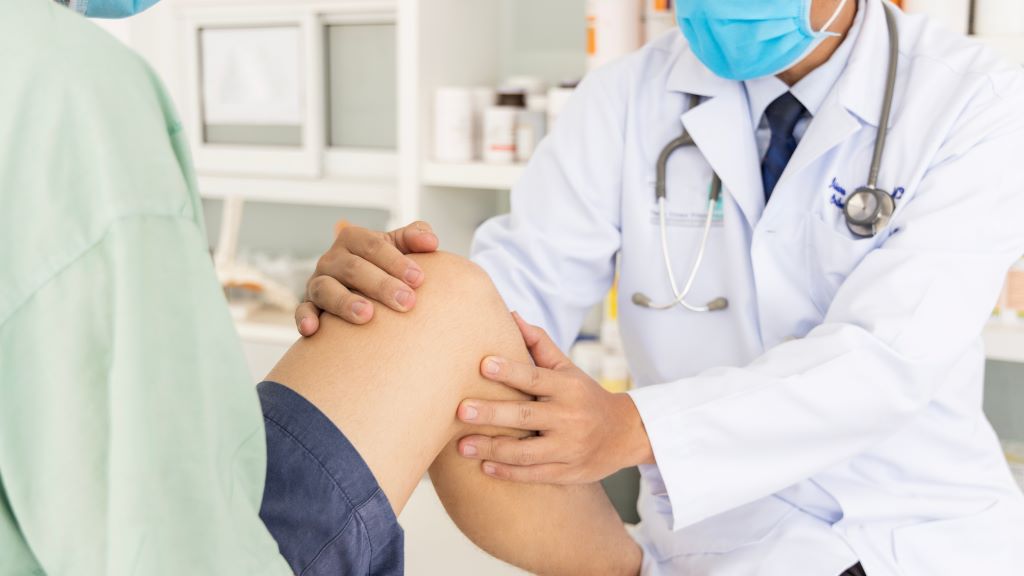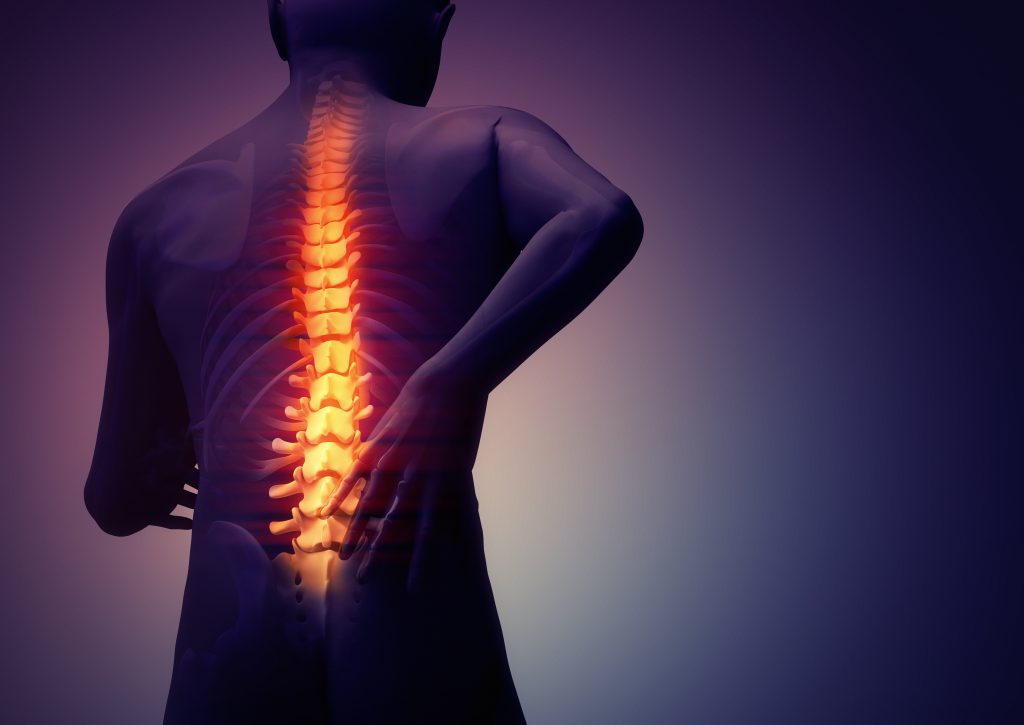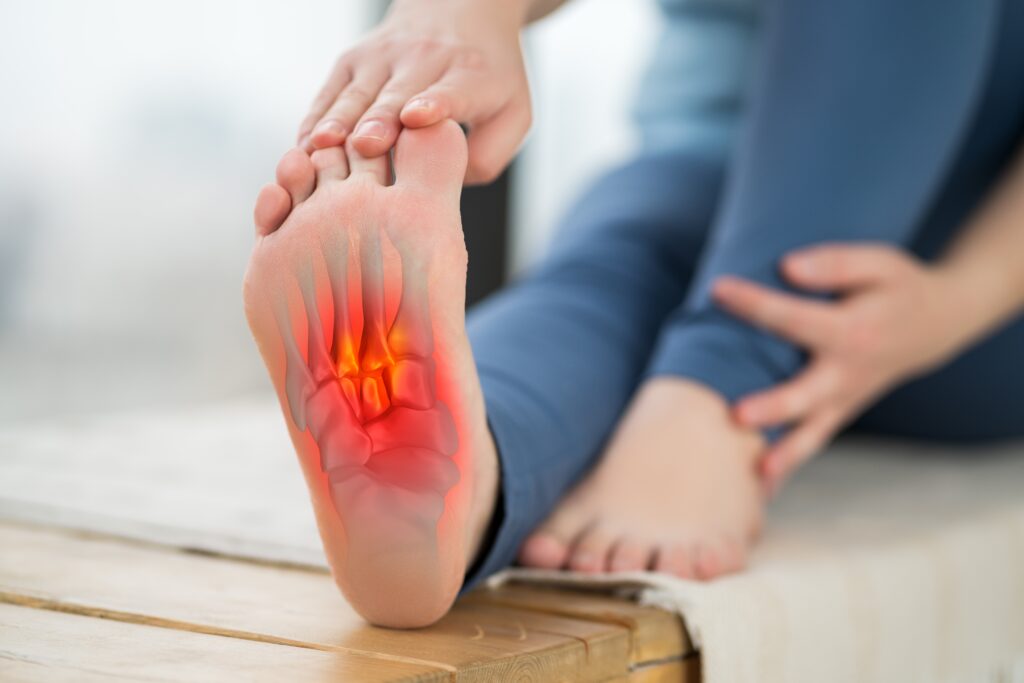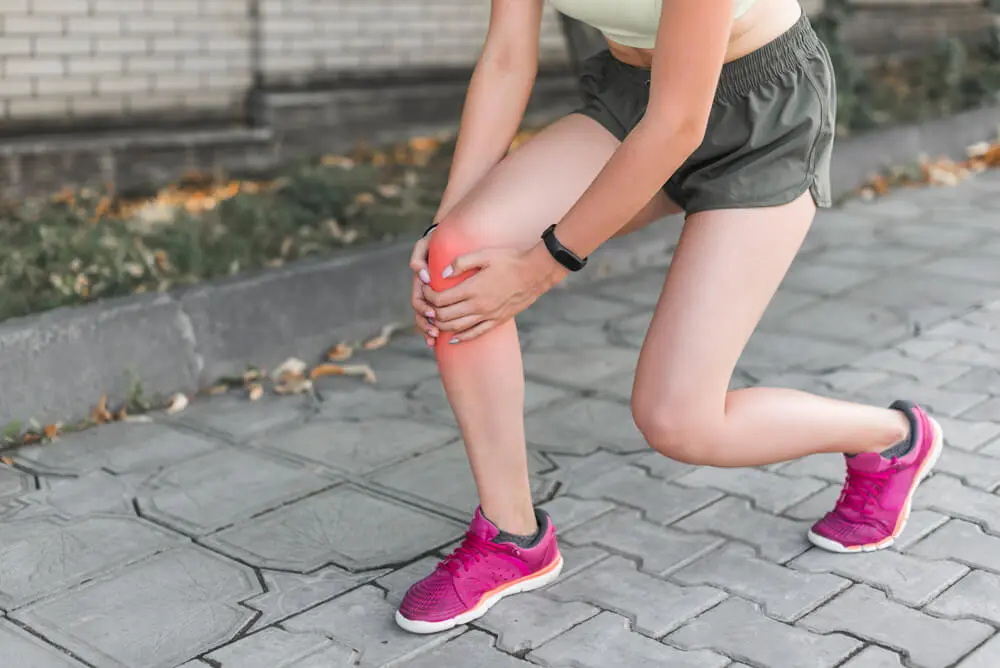
Dr. Ion Bogdan Codorean explains the RICE protocol, a set of 4 first-aid rules in the event of injury: „Everyone should know the RICE protocol for intervention and first aid, in order to avoid orthopaedic complications in the event of injury”, says Dr. Ion Bogdan Codorean.
What is the RICE protocol?
The consultant orthopaedic surgeon specialising in sports traumatology has launched, together with his orthopaedic centre of excellence team, an information campaign on the first actions that people, regardless of their age or where they are, should take when they suffer an injury to their bones, joints or muscles.
„In orthopaedics there is what is known as the RICE protocol. RICE is an acronym that helps people remember 4 first-aid rules they must follow in the event of injury until they are seen by an orthopaedic doctor. R stands for REST, which means resting the affected area; I stands for ICE, which means applying ice packs to the injured area; C stands for Compression, which can be achieved by immobilising the affected area as far as possible with an elastic bandage; and E stands for Elevation, which highlights the need to keep the affected limb above the level of the heart, to reduce swelling.” , notes Dr. Ion Bogdan Codorean, consultant orthopaedic surgeon specialising in sports traumatology, about the protocol that arose from patients' needs and the experience of orthopaedic doctors around the world.
What does the RICE method involve?
The RICE protocol should be applied by everyone, immediately after an injury, regardless of the orthopaedic doctor's subsequent recommendation, which may be non-surgical (orthopaedic) or surgical treatment. This international protocol, developed and used by orthopaedic doctors around the world, involves 4 simple but very effective steps for preventing complications after accidents:

REST
Pain is the main sign that something is wrong with the body. As soon as a patient feels pain, the first and most important thing they can do is to stop any activity that places strain on that part of the body. The first two days after an accident are the most important from this point of view. In most cases even a physical activity that seems trivial, such as walking on an injured leg, can greatly worsen the final diagnosis and, by extension, the period of treatment and recovery.
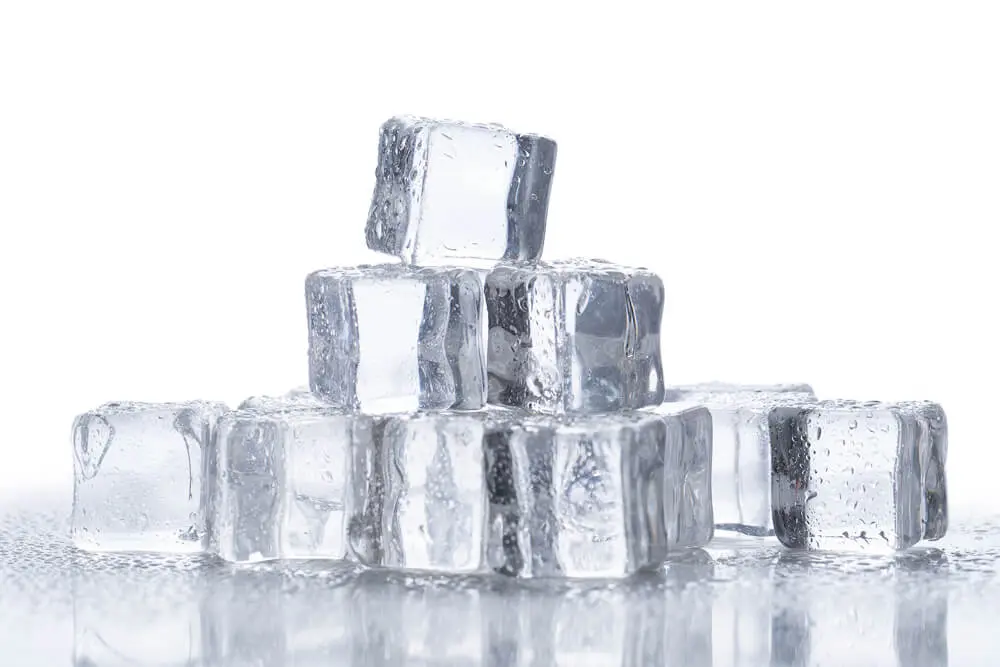
ICE
Ice is the only tool that reduces both pain and swelling. The patient should apply an ice pack (which must be wrapped in a towel) for 15-20 minutes every two hours during the first 2 days after the accident. If you do not have an ice pack, you can use a bag of frozen vegetables.
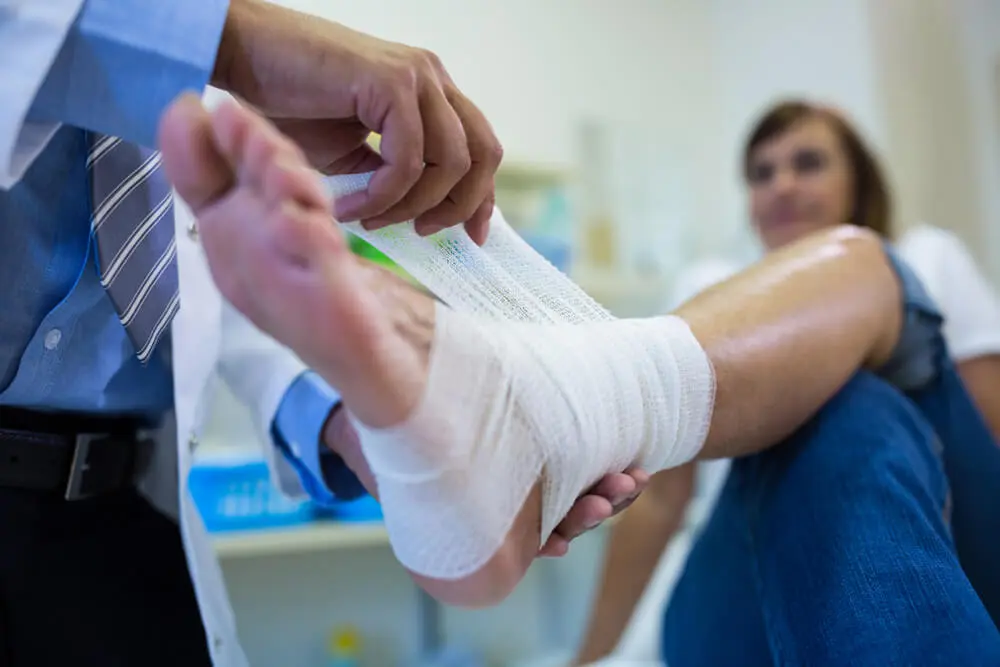
COMPRESSION
It is important for the affected area to be wrapped in a medical elastic bandage to stop the swelling. It must be applied so that it is not too tight and does not cut off the blood circulation. If the tissue under the bandage becomes cold or turns blue, these are signs that the bandage needs to be reapplied and left less tight.
ELEVATE – Raising the affected limb
It is crucial for the affected limb to be kept raised above the level of the heart while resting. Blood circulation in the affected area will be improved and the risk of blood clots forming, local swelling, pain and bruising will be reduced. The patient should stay in this position, propped up on pillows or anything else that can keep the affected arm or leg raised, for as much of the 48 hours of rest as possible.
What are the risks if we do not follow the RICE method?
Failing to follow the rules recommended by the RICE protocol can lead either to complications in the affected area or to surgery no longer being possible: „It depends on the nature of the injury, but in most cases using the affected limb can make the situation worse, and keeping it down can lead to severe swelling and inflammation, which no longer allow emergency surgery to be carried out if it is needed. When the injured person follows the first-aid rules, they set off on the path to treatment and healing from the best possible starting point.”, warns Dr. Ion Bogdan Codorean, Doctor of Medicine, one of Romania's most highly regarded orthopaedic surgeons.
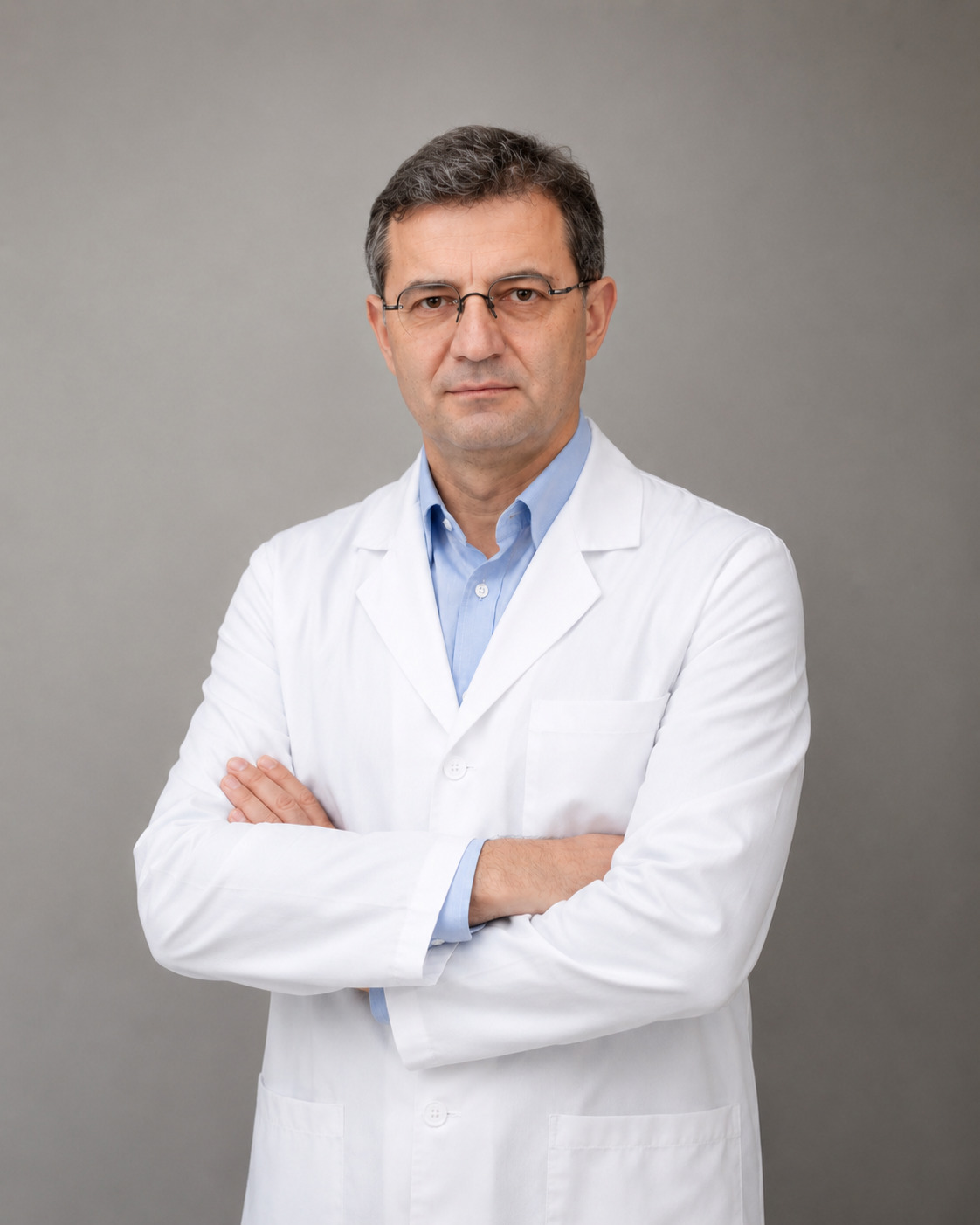
Dr. Ion Bogdan Codorean
Consultant in orthopaedics and sports traumatology. Doctor of Medicine (PhD).
View profile
Orthopaedics Clinic Bucharest
Congenital or acquired conditions of the musculoskeletal system, from diagnosis through to recovery, are treated by the team of orthopaedic doctors at Artro Sport Clinic.
Whether traumatic or non-traumatic in nature, our orthopaedic doctors can offer the best medical solutions for orthopaedic problems.
Find out moreNewsletter subscription
Sign up for free to the Artro Sport newsletter!