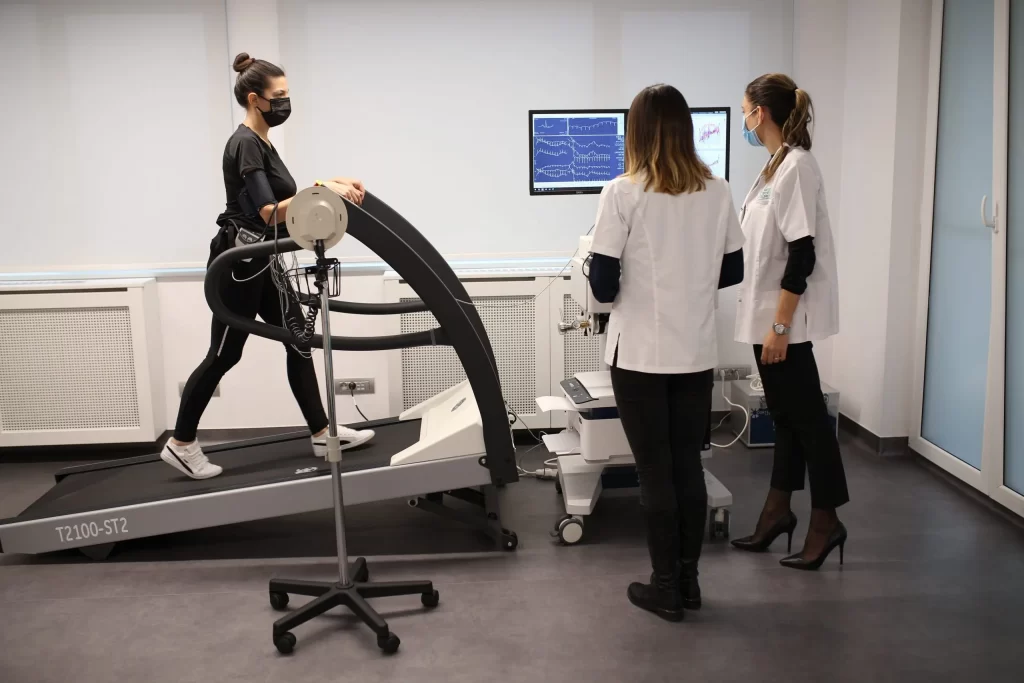
Cardiovascular rehabilitation is an essential step in secondary prevention for patients who have suffered a cardiovascular event, helping to limit the physiological and psychological effects of the disease, manage symptoms, reduce the risk of further cardiovascular events and improve quality of life.
What is cardiac rehabilitation?
According to the WHO definition, cardiac rehabilitation is "the sum of activities required to influence favourably the underlying cause of the disease, as well as to ensure the patients the best possible physical, mental and social conditions, so that they may, by their own efforts, preserve or resume as normal a place as possible in the community".
Cardiac rehabilitation is an essential step in secondary prevention for patients who have suffered a cardiovascular event. According to the US Public Health Service definition, it consists of "comprehensive, long-term programmes involving medical evaluation, prescribed exercise, cardiac risk factor modification, education and counselling". These rehabilitation programmes help to limit the physiological and psychological effects of the disease, manage symptoms, reduce the risk of further cardiovascular events (sudden death or reinfarction), stabilise or reverse atherosclerosis, improve psychosocial and vocational status and increase quality of life.
Cardiovascular rehabilitation was introduced in Romania in the early 1970s, mainly for patients with ischaemic heart disease, including patients after myocardial infarction, with angina pectoris, after coronary artery bypass surgery or after angioplasty with stent placement.
When is cardiovascular rehabilitation needed?
Cardiac rehabilitation is indicated primarily for patients with ischaemic heart disease (myocardial infarction within the last year, after coronary angioplasty with stent implantation, after coronary artery bypass surgery, stable exertional angina pectoris), chronic heart failure, after valve replacement or repair, and after heart transplantation.
Cardiac rehabilitation is contraindicated in the following situations:
- decompensated heart failure (with congestive syndrome present)
- unstable angina
- severe ventricular arrhythmias
- recent pulmonary embolism or deep vein thrombosis
- severe aortic stenosis
- severe mitral stenosis
- obstructive cardiomyopathies
- motor disabilities that do not allow or preclude physical exercise.
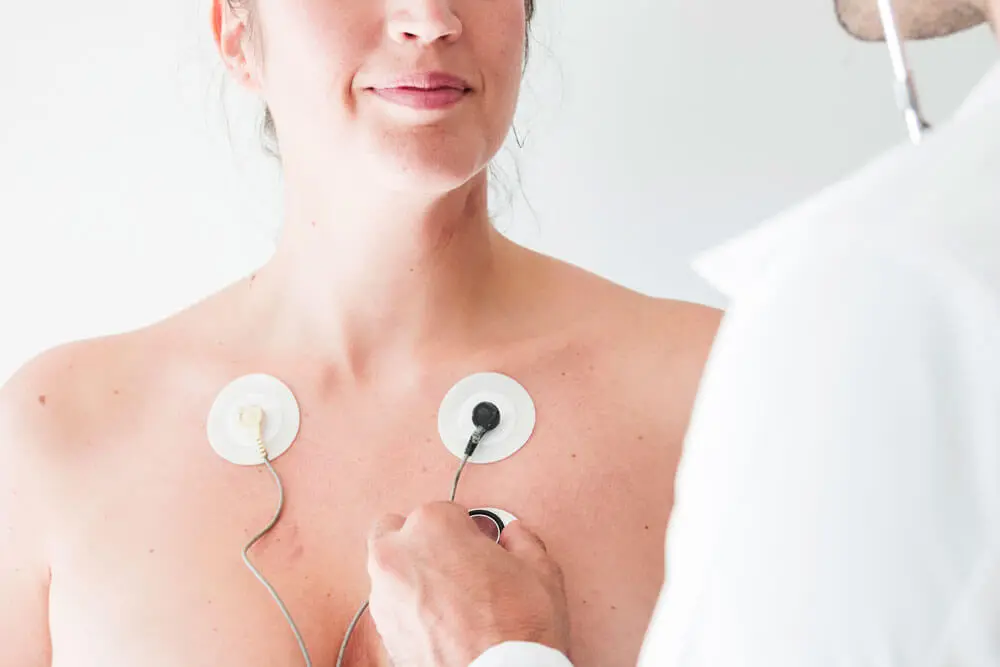
The phases of the cardiovascular rehabilitation process
The cardiovascular rehabilitation process is closely tied to each individual patient's situation, their condition and their general state of health.
Phase 1 – The in-hospital phase
This is the period during which the patient is hospitalised following the acute cardiovascular event (e.g. after a myocardial infarction).
This phase involves early mobilisation, counselling about the nature of the disease, its treatment and risk factors (hypertension, dyslipidaemia, diabetes, smoking, a sedentary lifestyle, obesity), as well as setting out the long-term care plan. For this category of patients, an intermediate phase may be included, lasting from discharge until enrolment in a cardiac rehabilitation programme. The intermediate phase lasts 1-3 weeks (4-6 weeks after cardiac surgery).
The aim of Phase 1 is to ensure the patient can care for themselves and move about independently. It begins 24 hours after the acute event if the patient is asymptomatic, under medical supervision, with monitoring of heart rate and blood pressure. The resting heart rate (HR) should not exceed 90 beats/min, during mobilisation it should not rise more than 10-20 beats/minute above the resting HR, and the resting systolic blood pressure (SBP) should be > 90 mmHg.
The intermediate phase (lasting 1-3 weeks, at home) aims to continue the physical activities from Phase 1 and maintain the results achieved in the first phase. Progressive walking for 30 minutes 2-3 times a day and light household activities are added.
Phase 2 – Rehabilitation proper
This is the period after discharge, lasting 6-12 weeks, during which the patient follows a regular programme of physical exercise under medical supervision, alongside drug therapy, psychological counselling and a personalised diet. It can take place as an inpatient on a ward or in a cardiac rehabilitation centre for patients with complications (rhythm disturbances, heart failure, ventricular aneurysm), or on an outpatient basis for uncomplicated patients.
The aim of the second phase is to restore the patient to the maximum physical capacity compatible with the functional state of the heart. Before starting Phase 2 rehabilitation, it is mandatory to carry out a maximal exercise test, a clinical examination, echocardiography and ECG, and possibly Holter ECG monitoring to establish the risk class. The main standard for exercise assessment remains the cardiopulmonary exercise test, which can determine maximal VO2 and the anaerobic threshold, and on the basis of which a personalised physical training plan can be drawn up.
Phase 3 – Maintenance
The patient maintains the exercise capacity gained in Phase 2 and, where possible, improves on it. Phase 3 means maintaining a healthy lifestyle, which includes controlling cardiovascular risk factors and keeping up regular physical activity.
In conclusion, the key components of cardiac rehabilitation after a myocardial infarction, and beyond, are:
- patient assessment,
- counselling on physical activity and the training programme,
- nutritional counselling,
- control of cardiovascular risk factors,
- patient education about their condition,
- psychosocial support
- counselling on resuming previous activities, including sexual activity and returning to work.
Of all of these, physical training is the central component of the cardiac rehabilitation programme.
The importance of cardiopulmonary exercise testing in cardiovascular rehabilitation
Prescribing the intensity of aerobic exercise is a key element in cardiac rehabilitation, being closely linked to the degree of improvement in exercise capacity as well as to the risk of adverse effects that may occur during exercise.
The European and American Associations for Cardiovascular Prevention and Rehabilitation, as well as the guidelines of the European Society of Cardiology and the American Heart Association, strongly recommend exercise testing for patients who are about to start a cardiac rehabilitation programme. This is necessary for the functional assessment of the patient, to quantify exercise capacity, to observe the presence and severity of rhythm disturbances that may occur during exercise or other signs and symptoms that may reveal residual myocardial ischaemia – in short, to understand the "ground we are working on" and prescribe an individualised training programme.
In addition to electrocardiographic monitoring, the cardiopulmonary exercise test also analyses respiratory gases and the relationships between them. It is the gold standard for assessing exercise capacity, evaluating oxygen transport and utilisation during exercise, and identifying exercise intensity domains (light-moderate, moderate-high, high-severe, severe-extreme). Doctors can thereby obtain a personalised exercise regime tailored to each patient's pathophysiological profile. It is also useful for monitoring progress during the cardiac rehabilitation period, being the only investigation that can objectively and simultaneously assess and analyse the evolution of cardiovascular, respiratory and metabolic parameters.
Using the alternative standardised method of exercise prescription without knowing the individual's functional capacity, in the absence of an exercise test, can minimise the benefits of physical training and may even delay progress during cardiac rehabilitation.
The benefits of cardiovascular rehabilitation
The benefits of cardiovascular rehabilitation are many. Cardiovascular rehabilitation reduces the chances of a further cardiovascular event, increases life expectancy, increases physical exercise capacity and improves mobility.
Cardiovascular rehabilitation can also help to control symptoms and achieve outcomes such as:
- chest pain
- difficulty breathing
- weight loss
- lowering cholesterol and triglycerides
- improving insulin sensitivity
- lowering blood pressure and resting heart rate, thereby helping to improve oxygen supply to the heart muscle
- halting the atherosclerosis process or even reversing it
- reducing the physical and emotional effects of cardiovascular disease
- increasing self-confidence
- improving quality of life.
When does cardiovascular rehabilitation begin?
It is recommended that cardiac rehabilitation begins as early as possible, in hospital, immediately after the acute cardiovascular event has been treated (acute myocardial infarction revascularised by angioplasty with stent placement or coronary artery bypass surgery), provided the patient is asymptomatic and there are no complications.
The physiotherapy specialist makes an important contribution in the early stages of cardiovascular rehabilitation, particularly for patients who have undergone surgery, helping the patient to perform gentle exercises lying on their back, sitting at the edge of the bed, or breathing exercises, starting while still in the intensive care unit.
A revascularised patient can be mobilised immediately if they are pain-free and haemodynamically stable.
How does cardiac rehabilitation work?
After the initial assessment, which includes a clinical examination, echocardiography, an electrocardiogram and exercise testing, a physical training plan is drawn up.
The exercises are carried out on a treadmill or exercise bicycle, with the patient monitored throughout. Blood pressure and heart rate are measured, the ECG trace and blood oxygen saturation are observed, and the patient's symptoms and perceived exertion are also monitored.
There are 5 sessions a week, and each training session lasts around 60 minutes, followed by a post-exercise recovery period consisting of simple relaxation exercises.
In addition to walking, light jogging or cycling, isometric exercises can also be performed – the type of exercise is always tailored to each patient's condition.
The duration of cardiac rehabilitation, or more precisely the duration of the medically supervised Phase 2, varies from case to case and can last anywhere from 4 – 12 weeks up to 1 year.
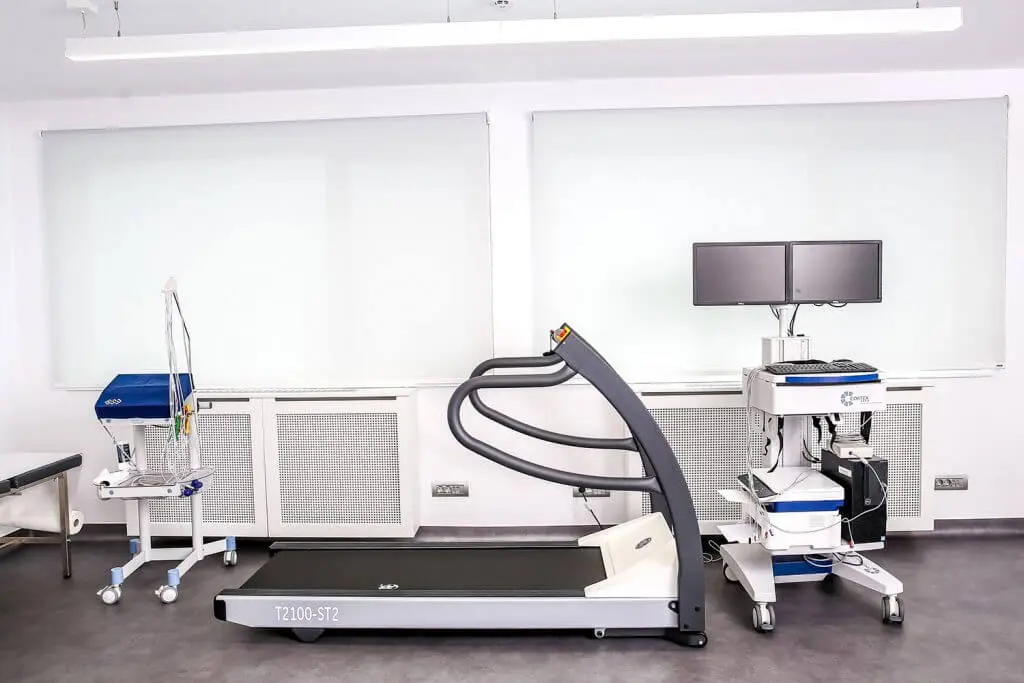
Cortex MetaLyzer 3B
Cardiopulmonary exercise testing (ergospirometry or CPET) provides a combined, parallel analysis of data that allows a complete assessment of the cardiovascular, respiratory, muscular and metabolic systems during exercise, and is considered the main standard for functional cardiorespiratory assessment.
Find out moreNewsletter subscription
Sign up for the Artro Sport newsletter free of charge!