If we want to be in good physical and mental shape, sport must become our main ally. Regular exercise helps us tone our muscles, burn fat deposits and thus keep our body weight under control and, last but not least, it stimulates the production of endorphins, the "happiness" hormone.
Sport is known to strengthen immunity, improve memory through the supply of oxygen to the brain, and reduce the risk of heart disease. In fact, the whole body benefits from physical activity. And to enhance its effect, it is recommended to combine it with a healthy and intelligent diet.
What to eat before a workout?
What you eat before training, pre-workout, largely determines your performance. When you have a meal, what matters is its nutrient content and whether it is suited to the purpose of the exercise you are doing. Wanting to lose weight is one thing; aiming to maintain your fitness is quite another.
During exercise, the body uses fat from adipose tissue and carbohydrates from the glycogen stores in the muscles and liver. If, on the other hand, you have a carbohydrate-rich meal before training, you will mainly burn carbohydrates as an energy source and less fat. This plan is advantageous if you are planning an endurance session, but not if you want to lose weight.
If you prefer to exercise first thing in the morning, it is still advisable to have at least a snack or a nutrient-rich drink.
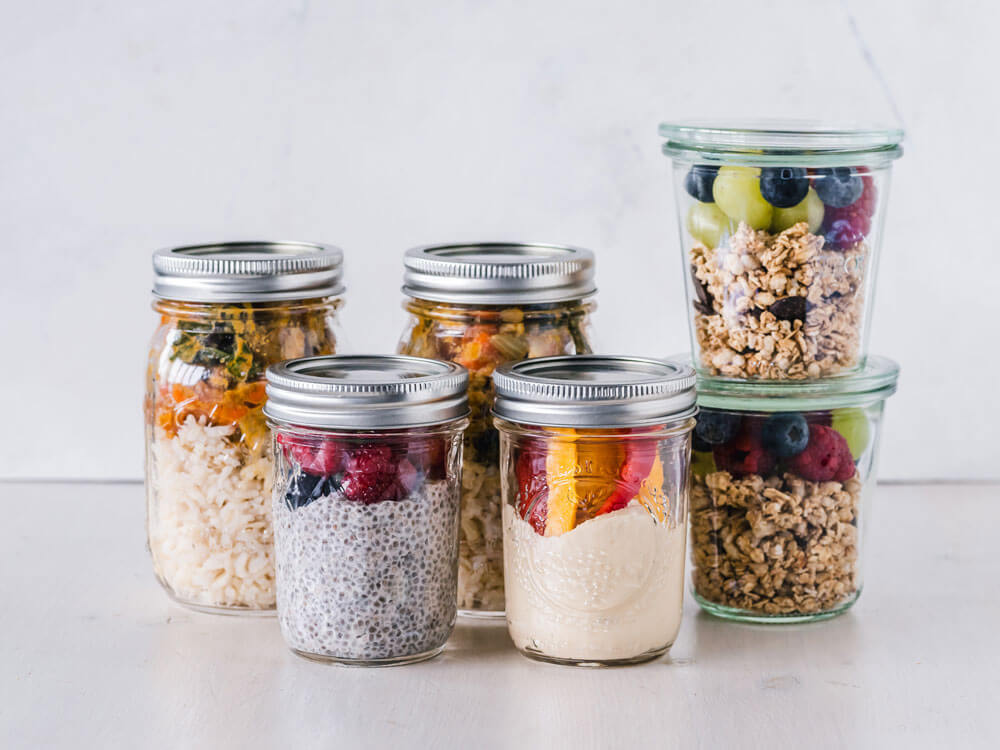
What could you eat in the morning, before training? For example, a bowl of porridge oats with skimmed milk and a piece of fruit, muesli (sugar-free) with skimmed milk and dried fruit, two slices of wholemeal bread with an omelette and a tomato, or a banana.
Even if at first you find it hard to eat breakfast, over time you will build a healthy habit.
How much should you eat before a workout?
If you manage to eat about four hours before training, you can have a meal of 600-800 kcal. If, on the other hand, the meal is at most two hours beforehand, 300-400 kcal are enough.
It is recommended that roughly 60-80% of the calorie intake of the meal should come from carbohydrates.
Suitable sources of carbohydrates:
- Wholemeal bread
- Cereals and porridge oats
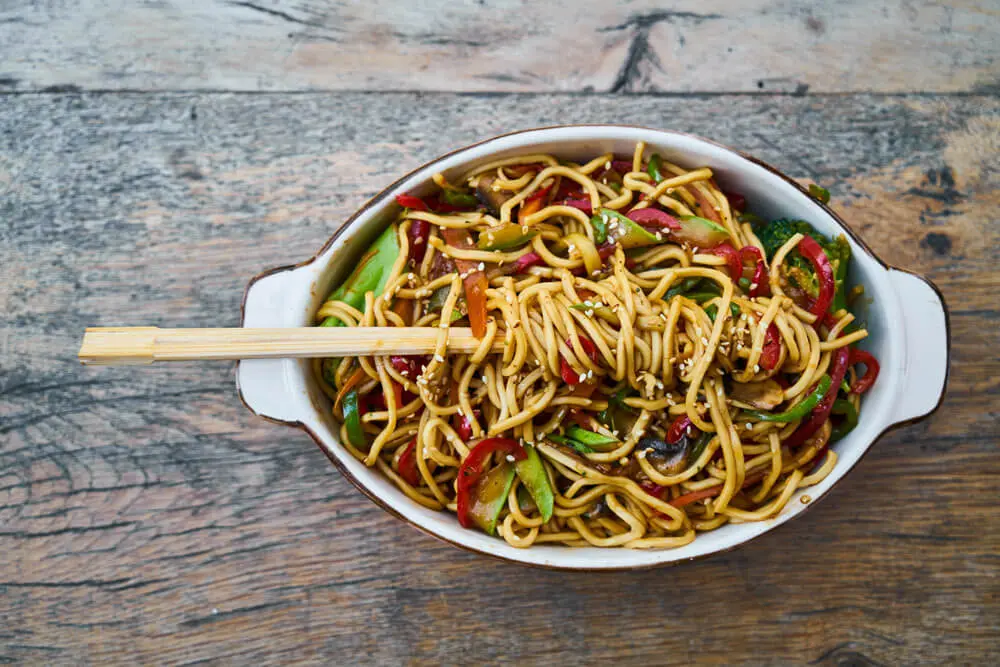
- Pasta, noodles
- Rice
- Couscous
- Beans
- Potatoes (in their skins) and other starchy vegetables
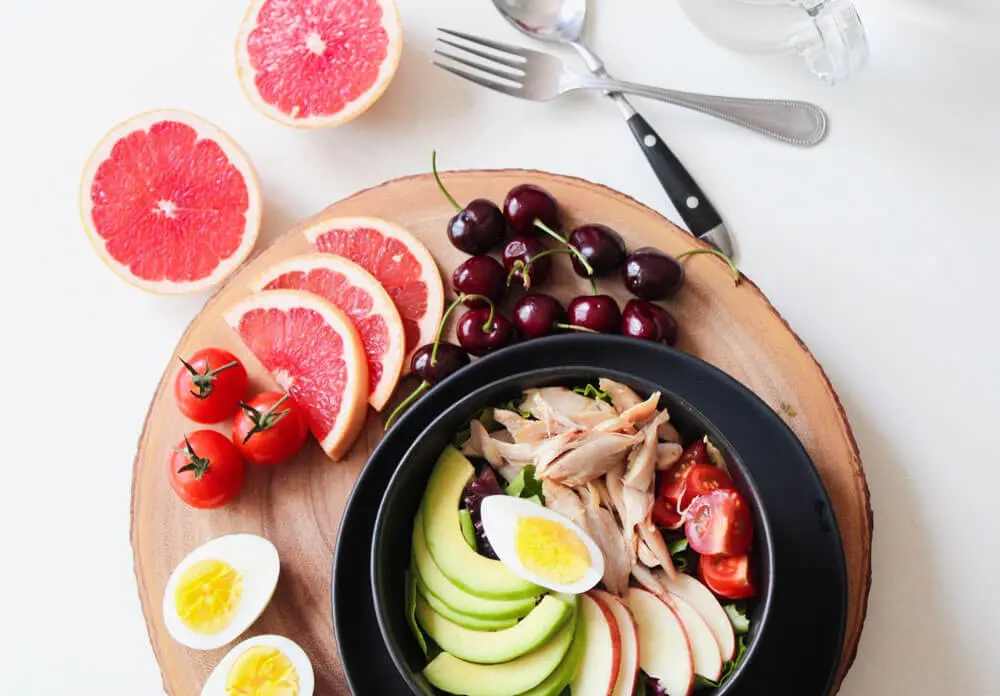
Before exercising you should also eat protein. Suitable sources of protein containing the eight essential amino acids that our body cannot synthesise but needs are: lean meat, fish, milk, cheese, yoghurt, beans, lentils and nuts.
An adult's protein requirement is around 0.75 g/kg per day. For competitive sportspeople and endurance athletes the requirement is higher, namely 1.2-1.7 g/kg per day.
How long before going to the gym should we eat?
Ideally the meal should be two to four hours before exercising, to make sure there is enough time for digestion.
If you eat more than four hours pre-workout, you may no longer have enough energy to sustain the exercise. On the other hand, eating a large amount of food less than two hours before training can cause nausea or make you feel heavy and lacking in energy. This is because blood flow is no longer directed to the muscles but to the intestines, in order to carry out digestion.
What to eat post-workout?
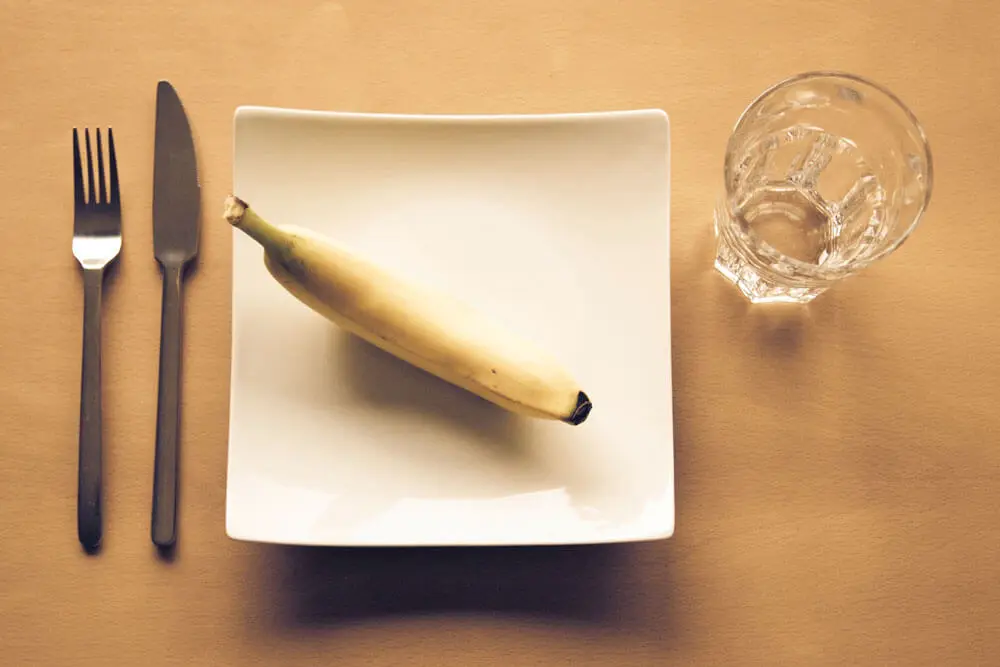
Recovery after exercise is an extremely important part of maintaining performance. If you recover properly, you can train successfully the next day. Otherwise, all you end up with is muscle soreness, fatigue and a drop in performance.
Exercise uses up the carbohydrate reserves in your muscles (glycogen) and can also be followed by breakdown of muscle fibres, effects that need to be remedied through proper repair and recovery. What is the solution in this situation?
Hydration
First of all, you need to make sure you rehydrate properly. Dehydration occurs as a result of fluid loss during exercise. The most reliable method is to weigh yourself before and after exercise and, for every kilogram lost during exercise, drink 1.2-1.5 litres of fluid. If the weight loss is large, drinks containing electrolytes, such as sports drinks, or eating some salty foods alongside the water you drink can be helpful.
Carbohydrates
Secondly, you need to make sure you replenish the carbohydrate reserves in your muscles. The more demanding or the longer your training session, the more carbohydrates you need to restore your reserves.
High-endurance exercise such as running, cycling, HIIT or swimming uses far more carbohydrate than low/moderate-intensity exercise (walking, jogging) or intermittent exercise (tennis, weight training). In these circumstances, if you do this kind of training, it would be advisable to consume 1-1.2 g of carbohydrate/kg in the period after exercise to replenish your glycogen reserves.
Protein
Thirdly, but by no means least, it is important to repair the muscle fibres that are damaged during the training session. An adequate intake of protein helps you achieve this goal too. Ideally you should consume complete proteins, which contain all 8 essential amino acids, but you do not necessarily need to drink a protein shake. It is enough to consume dairy products, eggs or soya milk.
A sufficient amount of protein after exercise is 20 g. You can find this amount of protein in: 250 g of yoghurt, 500 ml of milk or 25 grams of whey powder.
How soon after exercise should you eat?
If you cannot have a meal immediately after exercising, you can have a snack containing both carbohydrates and protein, such as a banana or a glass of milk, in the first 30-60 minutes after exercise.
Do not forget that your meals should be balanced and varied, so make sure you add fruit and vegetables so as not to miss out on other important nutrients.
Frequently asked questions about pre- and post-workout nutrition
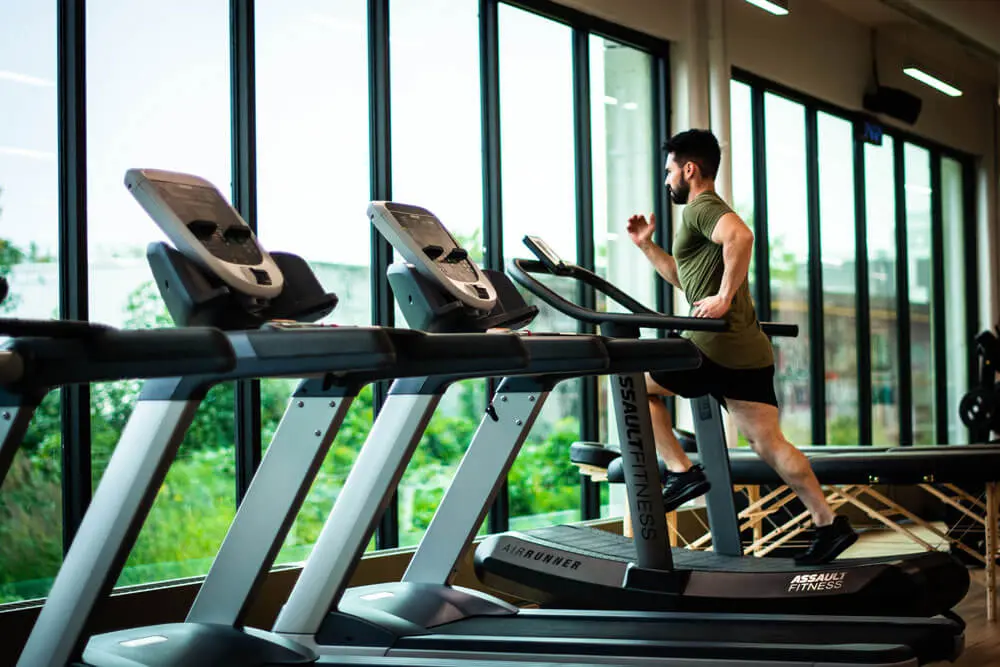
Do we need to eat more protein to build more muscle mass?
A commonly heard myth is: "The more protein you eat, the more muscle you will have". People who follow this myth often have a high protein intake and not enough carbohydrates, the latter being the essential source of energy.
An intake of around 20 g of high-quality protein before training (half a chicken breast or a small tin of tuna) is enough to be absorbed and used properly. Anything you eat beyond that will not be used to build muscle, but only as an energy source.
Do we need fat as well?
Fat is one of the important nutrients we consume, but it is also a rich source of energy. Eating too much fat leads to weight gain.
Foods usually contain a mix of saturated and unsaturated fats, but it is preferable to choose foods that contain more unsaturated and fewer saturated fats. So you should cut down on: cakes, pastries, chocolate, biscuits, cream, butter, coconut or palm oil, processed meat (sausages, ham, burgers) and chips.
Sources of monounsaturated and polyunsaturated fats: vegetable oils such as olive and rapeseed oil, avocado, nuts, seeds, sunflower oil.
Do we need to drink fluids before training?
The answer is yes. We need to hydrate sufficiently so that the fluid lost through sweating does not leave us dehydrated. It is advisable to drink 400-600 ml of fluid 2 hours before starting exercise and small amounts during the warm-up.
It is important to prepare properly in order to be able to sustain physical exertion. The more demanding it is, the more rigorous we need to be about the rules we follow, whether they concern food or fluid intake. Otherwise, all we will end up with is imbalances and a drop in performance.
A personalised diet with the help of metabolic testing

Newsletter subscription
Sign up for the Artro Sport newsletter free of charge!