We live in an era in which life expectancy is rising. Although at present, according to the World Health Organisation, 605 million people (20%) are over the age of 60, this number is estimated to rise to 1.2 billion (29%) by 2025. In order to live these years independently, without severe illness or disability, it is important to promote a healthy lifestyle from childhood and maintain it throughout life. Healthy ageing involves the interaction between our genetic make-up, the environment we live in and our lifestyle.
Of all these variables, the major factors that can be changed are diet and physical activity.
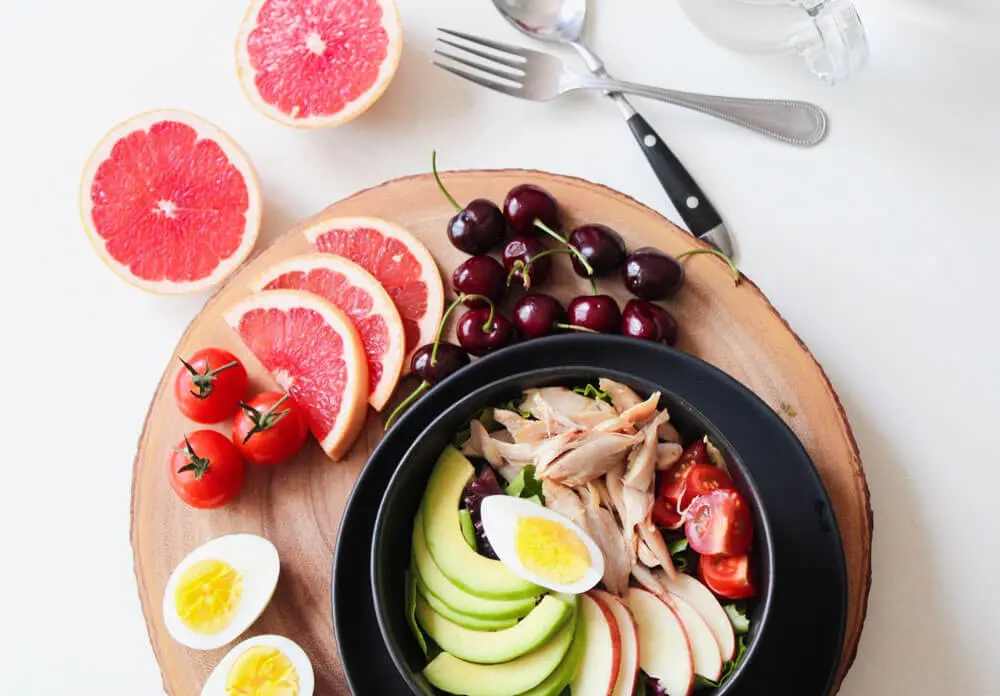
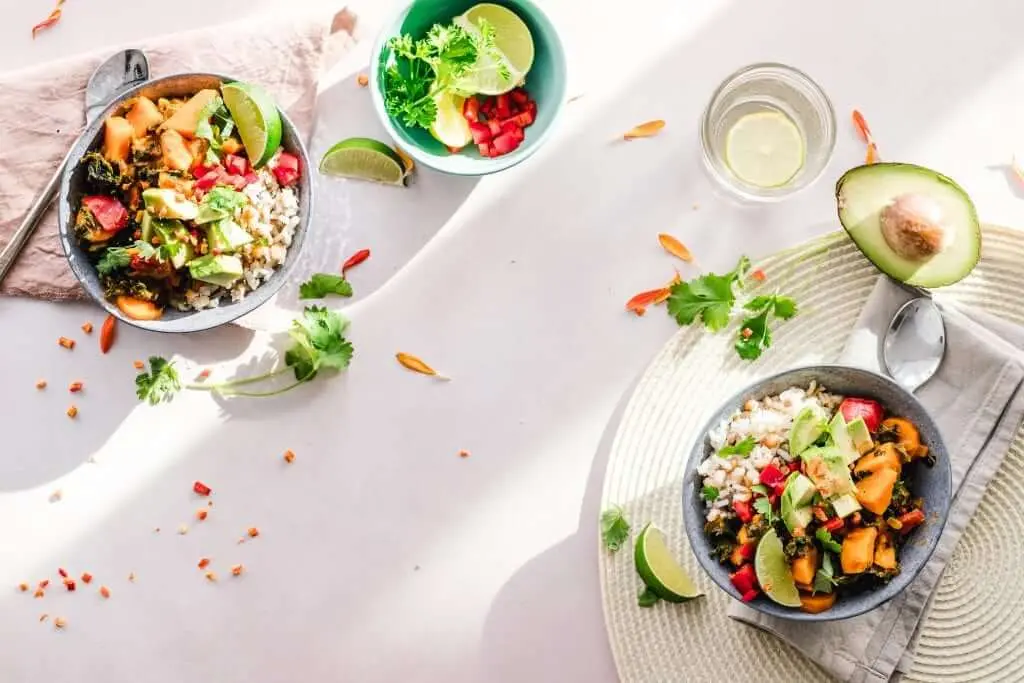
Healthy eating means a moderate but varied intake of foods and dishes that we want to be appetising, tasty and safe, spread over a number of meals and snacks according to each person's needs.
Food provides the fuel for the physical activity we want to carry out. As we become more active and better trained, our calorie requirements, as well as the macronutrient and micronutrient content of our diet, may vary.
Foods for energy
To obtain the energy we need, we must consume the right amount of:
- Carbohydrates – the main source of energy
- Fats – an important source of energy and a building block for hormone production
- Proteins – for maintaining and repairing tissue, one example being muscle tissue
- Water and micronutrients – to replace what is lost through exercise
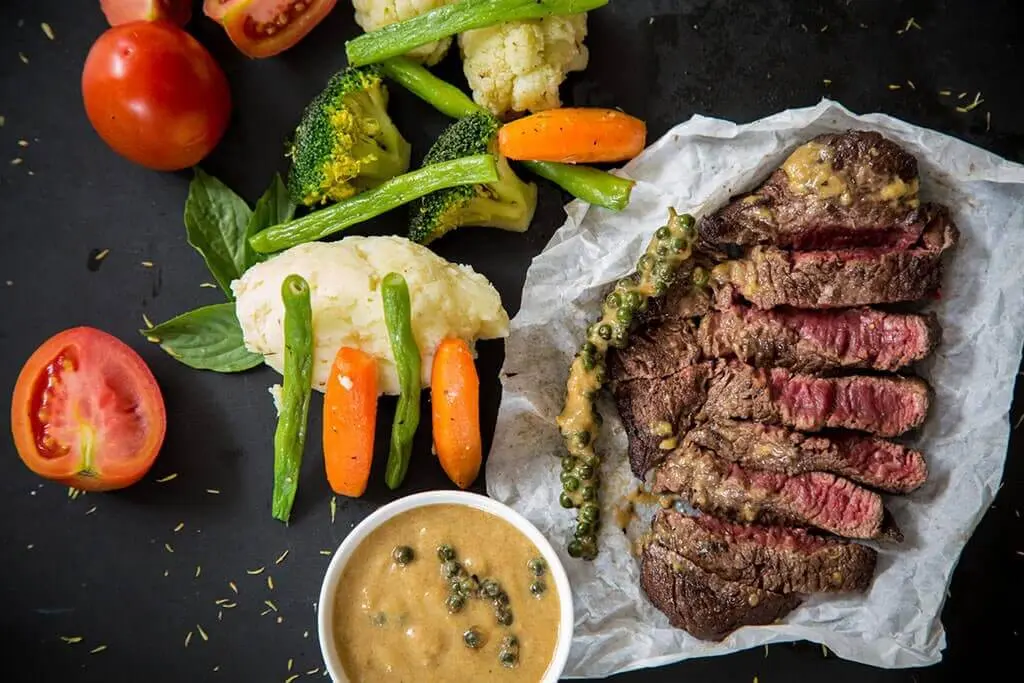
Equally important is the way we combine these food groups and the timing of when we consume them in relation to the exercise we intend to do.
The choices we make in our day-to-day diet affect our health directly, and also indirectly through their influence on our ability to sustain physical activity.
For this reason, nutrition is the cornerstone of an active life and a healthy body.
And to conclude, I will use a famous quote: "Take care of your body. It's the only place you have to live." (Jim Rohn)
Newsletter subscription
Sign up for the Artro Sport newsletter free of charge!