Injuries sustained while playing sport are common. They happen to professional and amateur athletes alike. For various reasons, which sometimes have nothing to do with the athlete's caution but with unforeseen circumstances, injuries can occur. There is no way to protect ourselves from those. All we can do is prevent health incidents such as tendon injuries or muscle strains, in other words what lies within our power. If, despite being careful, you have suffered such an unwanted event, it is a good idea to follow a healthy diet during the recovery period. What you eat during such a period can help – or hinder – a faster recovery.
How important diet is in recovery after an injury
If, for example, we have suffered a fracture while playing sport, diet will play an important role in recovery. Introducing into the daily menu foods that influence the process of osteogenesis and the maintenance of optimal bone mineral density will speed up healing. An increased intake of foods rich in calcium, vitamins D and K, zinc, vitamin C or Omega 3 fatty acids will help us have stronger, healthier bones.
If the injuries sustained have caused a muscle tear, a sprain, a blow to the spine or fractures, a special diet is recommended, including fruit, vegetables, carrots, spinach, beetroot, meat or fish.

Which foods are beneficial in the diet during recovery
Proteins
Foods rich in protein are not advisable immediately before training. But if you have suffered an injury, proteins are what will help you avoid losing strength and muscle mass. Lean meat, fish, chicken, tofu, beans, peas, nuts and seeds are foods with a significant protein content. Eat them in rotation throughout the day, as meals or snacks. They will help you rebuild muscle mass and strength after the injury.
Fibre
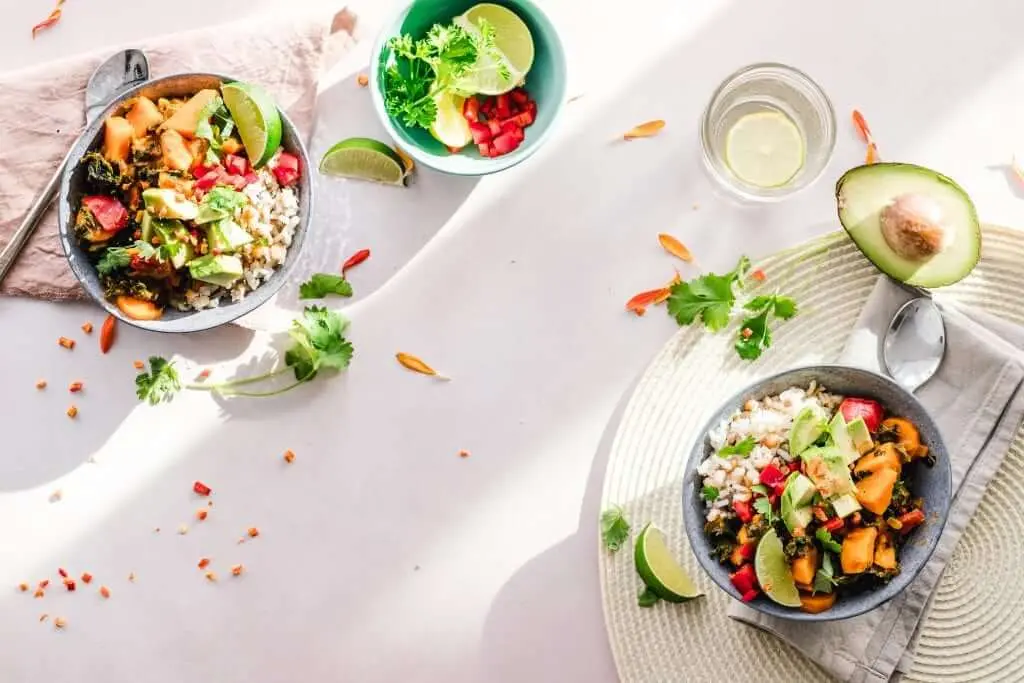
An injury inevitably also means a break from sporting activities. One of your worries will, of course, be unwanted weight gain. Introducing foods with a high fibre content into your diet is a good strategy. Eaten alongside a portion of roast meat, for example, these will increase the feeling of fullness. Vegetables, fruit and wholegrain cereals are rich in fibre. In addition, they contain nutrients that are valuable for recovery: vitamin C, magnesium and zinc.
Vitamin C
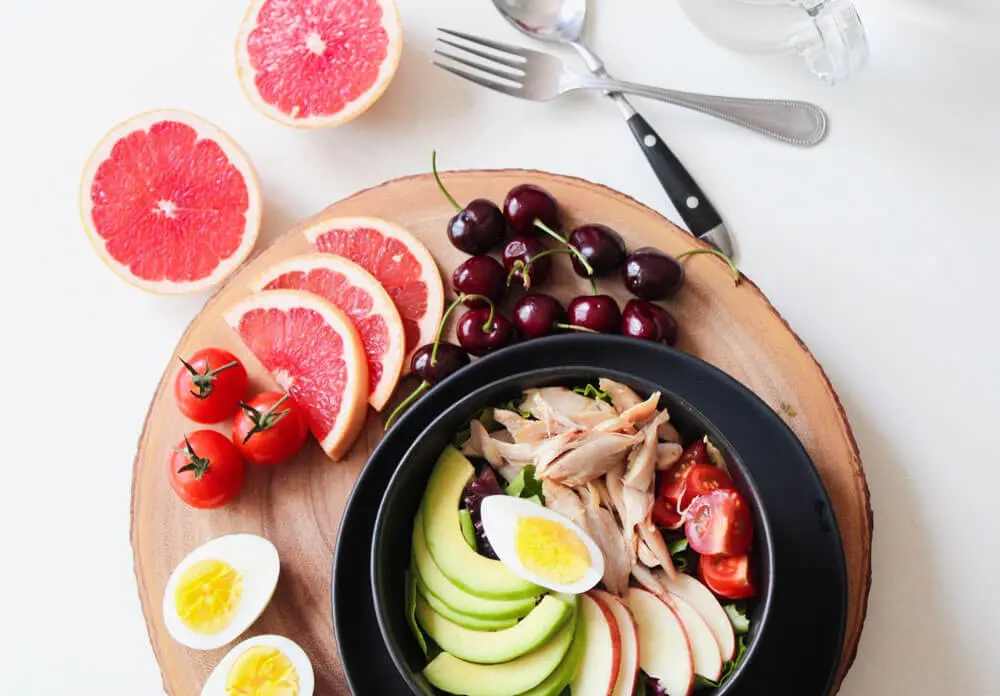
Indeed, vitamin C is indispensable in nutrition throughout the recovery process. It helps the body synthesise collagen, for healthy bones, muscles and tendons. It has antioxidant and anti-inflammatory properties, which are very important in sports recovery. And it is very easy to include in the diet. Citrus fruit, rosehips, berries, peppers, green leafy vegetables, tomatoes and parsley are all good sources of vitamin C.
Omega 3 fatty acids
Omega 3 fatty acids introduced into the diet can greatly speed up the healing process. They also prevent inflammation, and studies published by the National Institutes of Health in the United States maintain that Omega 3 supplements help build muscle protein and prevent loss of muscle mass. However, it is advisable to rely more on a diet rich in Omega 3, and to use supplements only with the doctor's approval. If we regularly eat ocean fish, seaweed, nuts, flax or chia seeds, the daily requirement of Omega 3 will be covered.
Zinc
Zinc is a good friend of the skeletal system. Introducing zinc-rich foods into a recovery diet can speed up the healing process after an injury and will contribute to tissue repair and growth. It is best to get our zinc from food, and to use supplements only on a doctor's recommendation. This is because an excess of zinc can cause a copper deficiency, and copper is important in maintaining bone density. So, let us include in the diet red meat or chicken, dairy products and eggs, fresh vegetables and fruit, nuts and seeds, fish and seafood, and we will have sufficient reserves of zinc.
Creatine
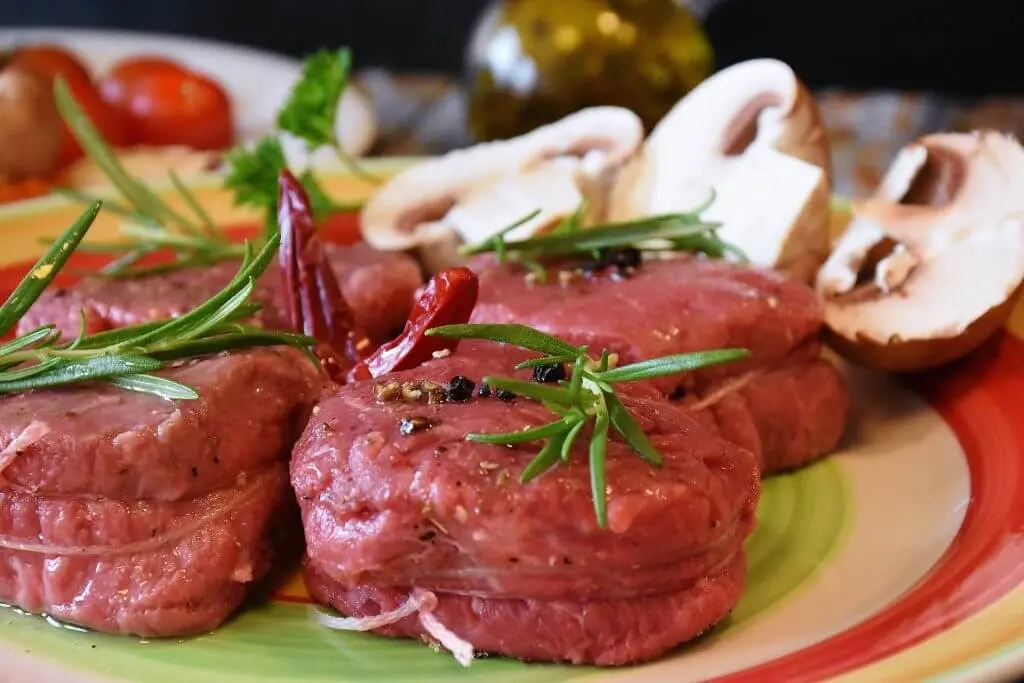
Creatine, the amino acid produced by the human body and stored in the muscles, where it is used for energy, has become very popular today because it helps increase muscle mass and improve sporting performance. But it is also very useful during the recovery period after an injury, because it helps you regain your form in a short time. Creatine can be obtained primarily from meat (especially game).
Calcium and vitamin D
It is already well known, but it bears repeating: a diet rich in calcium-containing products is necessary for recovery after a fracture. We also need to supplement the diet with vitamin D, so that calcium is absorbed optimally. Dairy products, leafy greens, sardines, broccoli and almonds are rich in calcium, and simple exposure to sunlight helps produce vitamin D. We can also get it through diet, if we take care to include oily fish, pork, mushrooms, eggs, yoghurt or tofu.
Which foods to avoid during the recovery period
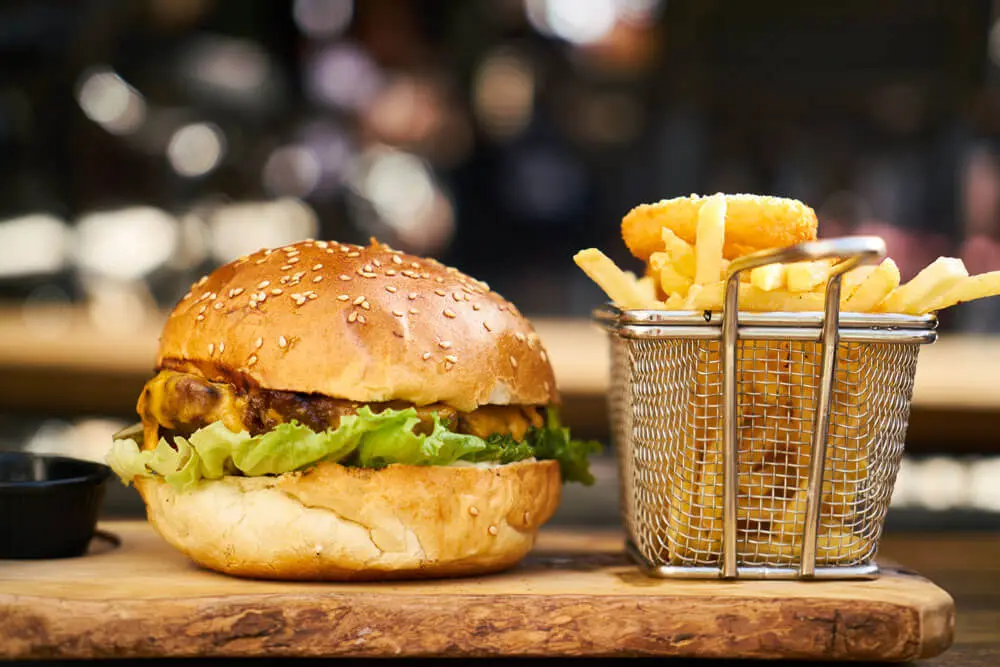
During the recovery period, it is advisable to avoid all foods whose consumption leads to loss of calcium from the body or inhibits its absorption. So, for a faster recovery, the following foods should be avoided or limited:
- Coffee
- Fizzy drinks
- Alcohol
- Excess salt
- Excess sugar
- Very fatty foods
Are supplements recommended during recovery?
In some cases, for example if the orthopaedic doctor discovers reduced bone density after an injury, they may also recommend dietary supplements alongside an appropriate diet. These may consist of the vitamins and minerals needed to rebuild bone structure, collagen, hyaluronic acid, certain types of amino acids, etc. Dietary supplements should only be used after first consulting the treating doctor.

Newsletter subscription
Sign up for the Artro Sport newsletter free of charge!